Government Prepares Contingency Plans to Mitigate El Nino Impact on Kharif Season
India Prepares for Potential El Nino Impact on Kharif Crop
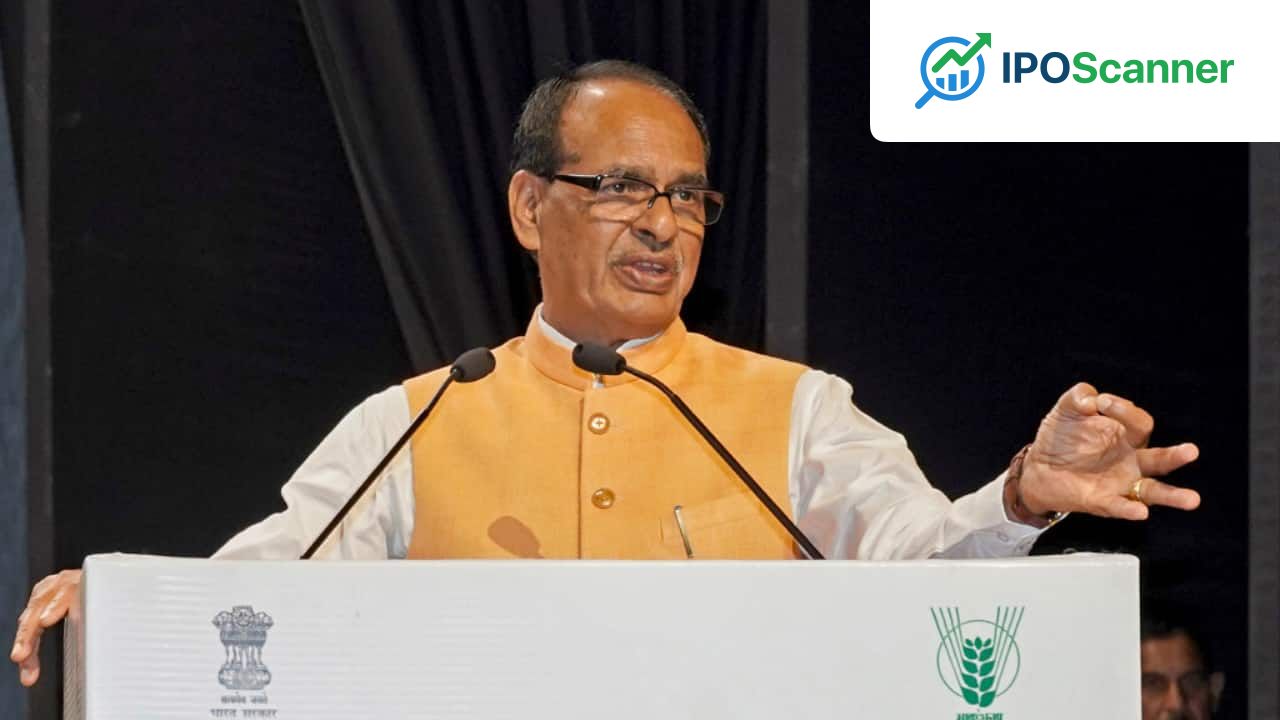
The Centre is taking proactive measures to mitigate the adverse effects of El Nino on this year's kharif crop, Union Agriculture Minister Shivraj Singh Chouhan announced on Thursday. Speaking at the two-day National Kharif Conference, Chouhan emphasized the need for integrated farming and greater self-reliance in pulses and oilseeds.
The Ministry is identifying districts for alternative crops and ensuring seed availability in case of an El Nino impact, Chouhan said. The India Meteorological Department (IMD) had earlier projected a below-normal southwest monsoon for 2026, with rainfall likely to be around 92 per cent of the long-period average. The World Meteorological Organization (WMO) has also indicated a probable return of El Nino conditions as early as May-July.
El Nino, characterized by unusual warming of surface waters in the eastern tropical Pacific Ocean, is typically associated with drier and hotter conditions in India. Kharif sowing has just begun in some parts of the country, but it is still in the early stages. Farmers have started preparing fields for early sowing of short-duration crops such as pulses, coarse cereals, and some cotton in regions that have received pre-monsoon rains.
Read also: Treasury Yields Experience Largest Increase in Two Weeks Following Release of Labor Market Data
Despite weather challenges, India is on track to achieve a record foodgrain production of 376.56 million tonnes in the 2025-26 crop year (July-June), an increase of 18.8 million tonnes over the previous year, Chouhan said. This achievement underscores the importance of prioritizing crop diversification.
| Crop | Target | Achieved |
|---|---|---|
| Rice | 35 million hectares by 2047 | Already met |
| Oilseeds | Increase production | Increase production |
| Pulses | Increase production | Increase production |
ICAR Director General M L Jat noted that crop diversification is essential for self-reliance in pulses and oilseeds. "We don't need 50 million hectares under rice. We need 35 million hectares by 2047. If we have to offload 15 million hectares, redirecting that to oilseeds and pulses could make us self-reliant in those crops," he said.
Jat also highlighted the need to address overuse of fertilizers and prioritize seed quality and data ecosystem. Delivering quality seeds to farmers alone could raise productivity by 15-20 per cent, he said. The Minister also directed officials to ensure timely seed distribution ahead of the monsoon, expand Kisan Credit Card coverage, expedite Farmer ID issuance, and take strict action against those selling spurious seeds, fertilisers, and pesticides.
Read also: US-Iran Tensions Spark Uptick in Oil Prices Amid Global Market Decline
Agriculture Secretary Atish Chandra emphasized that crop diversification, agricultural self-reliance, and sustainability have become the government's core priorities. He urged states to align their plans accordingly and work towards a unified approach under "Team Agriculture - One Nation, One Agriculture, One Team."
More in Economy

Treasury Yields Experience Largest Increase in Two Weeks Following Release of Labor Market Data

US-Iran Tensions Spark Uptick in Oil Prices Amid Global Market Decline

MoSPI Releases Uniform Norms for DDP Estimates with 2022-23 Base Year

