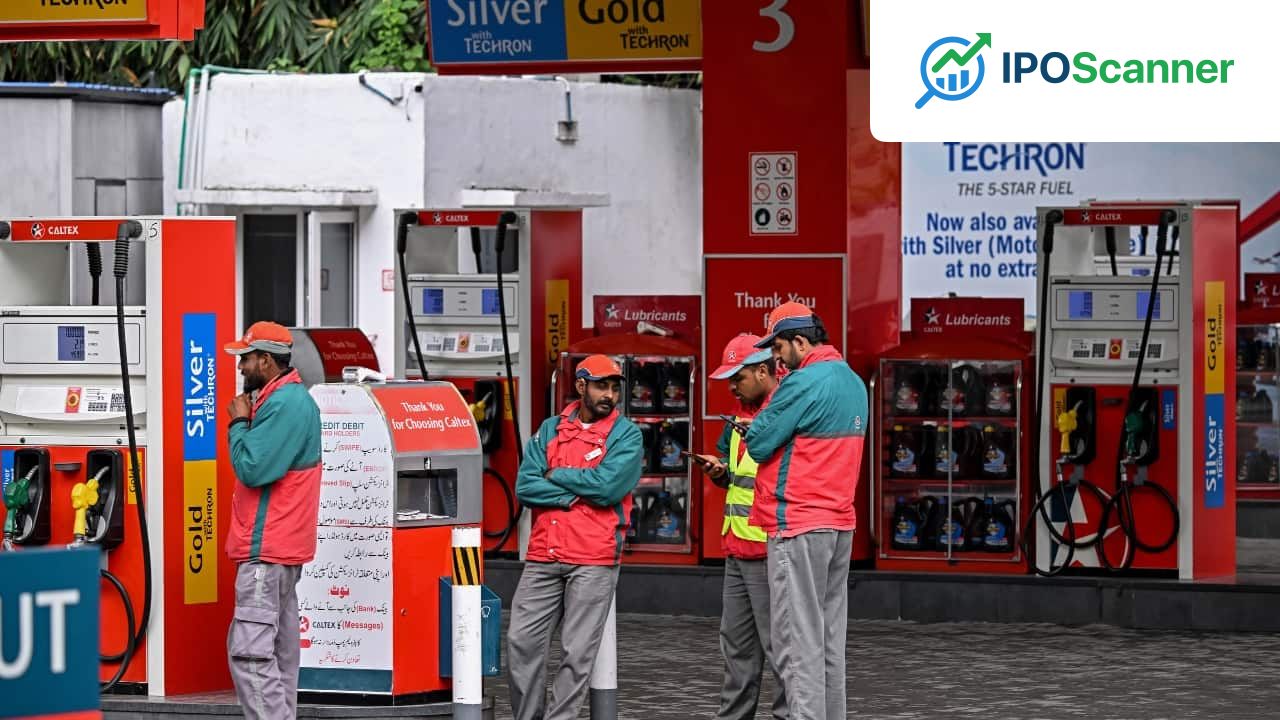
Government Issues Draft Guidelines for Inclusion of E85 and E100 Fuels in Motor Vehicle Rules
India Proposes Amendments to Central Motor Vehicles Rules for Higher Ethanol-Blended Fuels
India's Ministry of Road Transport and Highways has issued a draft notification proposing amendments to the Central Motor Vehicles Rules, marking a regulatory step towards formalizing higher ethanol-blended fuels. The move comes as the country is nearing its target of 20% ethanol blending in petrol, achieved in 2025.
The draft amendments include provisions for E85 fuel, a blend containing 85% ethanol with petrol, and E100, which would allow vehicles to run on nearly pure ethanol. The Ministry has invited public comments for 30 days, after which the government will review feedback before taking a final decision.
Key Changes in the Draft Rules
Read also: Treasury Yields Experience Largest Increase in Two Weeks Following Release of Labor Market Data
| Current Standard | Proposed Standard | Description |
|---|---|---|
| E10/E | E10/E20 | Update petrol standards to align with nationwide E20 rollout |
| - | E85 and E100 | Include E85 and E100 within the regulatory framework |
| B10 | B100 | Upgrade biodiesel references from B10 to B100 |
| - | Standardized emission-testing parameters and technical notations | |
| 3,000 kg | 3,500 kg | Raise the gross vehicle weight threshold in select categories |
| "Hydrogen + CN" | "Hydrogen + CNG" | Revise hydrogen fuel classification |
The proposed move does not amount to an immediate rollout of higher ethanol blends, but is intended as a regulatory step to enable testing and evaluation. Sources indicate that discussions are underway with automakers and oil marketing companies to assess flex-fuel readiness and infrastructure requirements for E85-E100 blends.
India achieved its target of 20% ethanol blending in petrol in 2025, a milestone that followed several years of accelerated blending through supplies sourced largely from sugarcane-based feedstocks and grain. The ethanol programme has been a core part of the government's strategy to reduce dependence on imported petroleum products and diversify transport fuel sources. Vehicle manufacturers have gradually introduced E20-compliant engines, while policymakers have simultaneously explored flex-fuel pathways for higher blends.
The draft framework indicates an early-stage effort to create a similar enabling structure for future testing and adoption, while E20 remains the current nationwide standard. Countries such as Brazil operate flex-fuel ecosystems where E100 is widely used in compatible vehicles, while the United States offers E85 at select retail stations for compatible models.
Read also: US-Iran Tensions Spark Uptick in Oil Prices Amid Global Market Decline
More in Economy

Treasury Yields Experience Largest Increase in Two Weeks Following Release of Labor Market Data

US-Iran Tensions Spark Uptick in Oil Prices Amid Global Market Decline

MoSPI Releases Uniform Norms for DDP Estimates with 2022-23 Base Year

