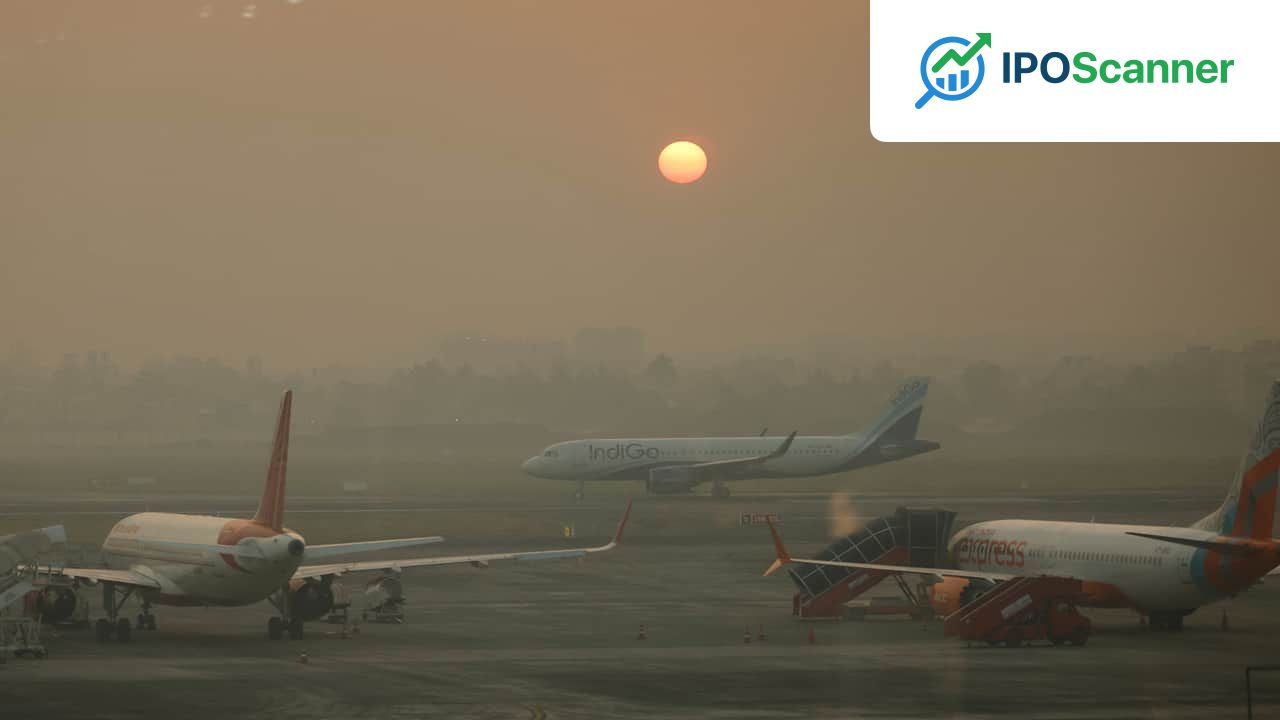
Government Introduces 25% ATF Price Hike Cap to Control Airlines' Costs and Protect Passengers from Surcharge
India's Civil Aviation Ministry Takes Steps to Mitigate Fuel Price Hike
The Indian civil aviation ministry announced on April 1 that a 25 percent cap on jet fuel price hike will help keep domestic costs manageable for the country's carriers, thereby avoiding the need for additional fuel surcharges.
The limited increase in Aviation Turbine Fuel (ATF) prices will enable airlines to maintain competitive pricing for domestic travelers, thereby preventing the imposition of unnecessary fuel surcharges that would have arisen under a market-linked pricing mechanism. For Indian carriers, where fuel typically accounts for 40 percent of total operating expenses, this move is expected to prevent a potential industry-wide crisis.
To shield domestic travel costs from the significant increase in international prices of the fuel, state-run oil marketing companies have implemented a partial and staggered increase of 25 percent (Rs 15 a liter) to the airlines. In contrast, foreign routes will bear the full increase in ATF prices consistent with what they pay in other parts of the world, according to the oil ministry.
Read also: Treasury Yields Experience Largest Increase in Two Weeks Following Release of Labor Market Data
The government pointed out that ATF prices in India were deregulated in 2001 and undergo monthly revisions based on international benchmarks. However, due to the closure of the Strait of Hormuz and the extraordinary situation in global energy markets, the price of ATF for domestic markets was expected to increase by more than 100 percent on April 1.
| Fuel Price Increase | Domestic Flights | International Flights |
|---|---|---|
| 25% | Rs 15 a liter (partial increase) | Full increase (consistent with international prices) |
The price increase has been done to protect domestic travel. According to the petroleum ministry, the spike in international crude prices necessitated passing on a portion of the costs to consumers of deregulated products. State-run oil marketing companies are projected to incur losses of approximately Rs 40,484 crore by the end of May due to under-recoveries on LPG cylinders on the back of high international prices amid the ongoing West Asia conflict.
The price of commercial LPG cylinders has also been increased by Rs 195.5 for a 19-kg cylinder. At current prices, state-run oil marketing companies are losing Rs 380 per cylinder, the ministry said on April 1.
Read also: US-Iran Tensions Spark Uptick in Oil Prices Amid Global Market Decline
More in Economy

Treasury Yields Experience Largest Increase in Two Weeks Following Release of Labor Market Data

US-Iran Tensions Spark Uptick in Oil Prices Amid Global Market Decline

MoSPI Releases Uniform Norms for DDP Estimates with 2022-23 Base Year

