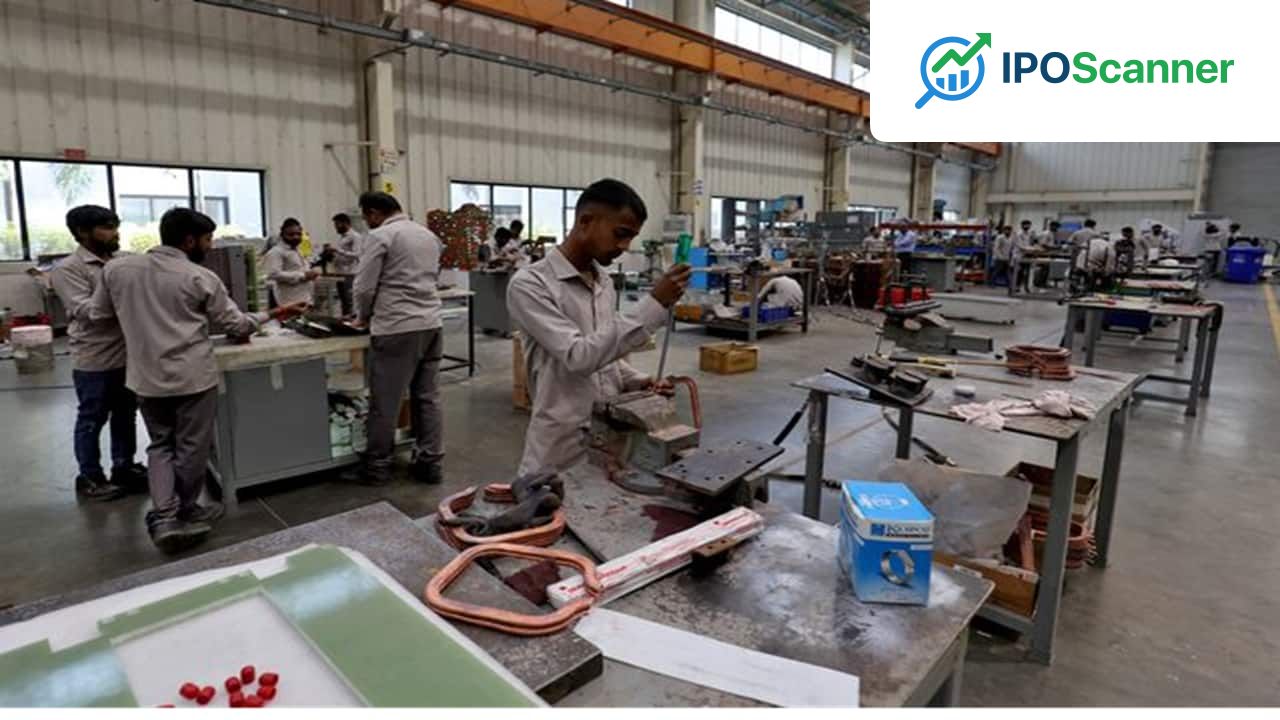
Government Initiatives to Enhance MSME Supply Chains through National Small Industries Corporation
Government Nudges MSMEs to Use National Small Industries Corporation for Raw Material Procurement
The Indian government has informally encouraged micro, small, and medium enterprises (MSMEs) to utilize the National Small Industries Corporation (NSIC) as a central platform for procuring key raw materials and inputs, amid ongoing disruptions in supply chains linked to the Iran conflict. The move aims to pool demand and facilitate bulk procurement, addressing a structural limitation faced by MSMEs, which typically rely on a narrow set of suppliers and lack the scale to procure raw materials in bulk.
NSIC, a government-run agency under the MSME Ministry, has been facilitating procurement of raw materials for small businesses by aggregating demand and enabling bulk purchases. While the mechanism has existed for years, officials said the government is now actively encouraging MSMEs to use the platform to secure better pricing and ensure supply continuity amid current disruptions. The aggregation model allows multiple MSMEs to combine their requirements, enabling procurement at scale and potentially securing better pricing and more reliable supply.
The disruptions in established supply chains, particularly due to rerouting of shipments and delays along key international trade corridors, have left many smaller firms unable to secure timely inputs. Unlike large companies, MSMEs cannot easily switch suppliers or absorb price shocks, making them more vulnerable to supply disruptions. Aggregating demand helps bridge this gap, enabling MSMEs to secure small quantities of raw materials at reasonable rates.
Read also: Treasury Yields Experience Largest Increase in Two Weeks Following Release of Labor Market Data
Supply Disruptions in West Asia
The advisory comes against the backdrop of escalating tensions in West Asia, which have disrupted key shipping routes and affected the movement of goods. Industry players have reported delays, higher freight costs, and uncertainty in delivery schedules, particularly for consignments transiting through affected regions.
| Shipping Route | Normal Transit Time | Current Transit Time |
|---|---|---|
| West Asia to India | 10-15 days | 30-40 days |
| West Asia to India (initial weeks of the war) | 10-15 days | 20-25 days |
Exporters and manufacturers have flagged that containers are being rerouted or held up at intermediate ports, delaying both inbound raw materials and outbound shipments. These disruptions have affected production planning, working capital cycles, and order fulfillment timelines, with MSMEs being disproportionately impacted.
Read also: US-Iran Tensions Spark Uptick in Oil Prices Amid Global Market Decline
Government's Parallel Thought Process
The government is examining whether it should step in more directly by stockpiling critical raw materials and facilitating their distribution to industry, especially MSMEs. "There is a parallel thought process on whether certain essential inputs should be procured in bulk at the government level and then made available to industry. This would provide an additional layer of supply assurance if disruptions continue," said a source.
The aggregation model has been effective in locations where the NSIC depot network is present, particularly in helping MSMEs secure better pricing for metals such as steel through bulk procurement. However, challenges remain for firms that are not located near these depots, as they have to bear additional logistics costs.
More in Economy

Treasury Yields Experience Largest Increase in Two Weeks Following Release of Labor Market Data

US-Iran Tensions Spark Uptick in Oil Prices Amid Global Market Decline

MoSPI Releases Uniform Norms for DDP Estimates with 2022-23 Base Year

