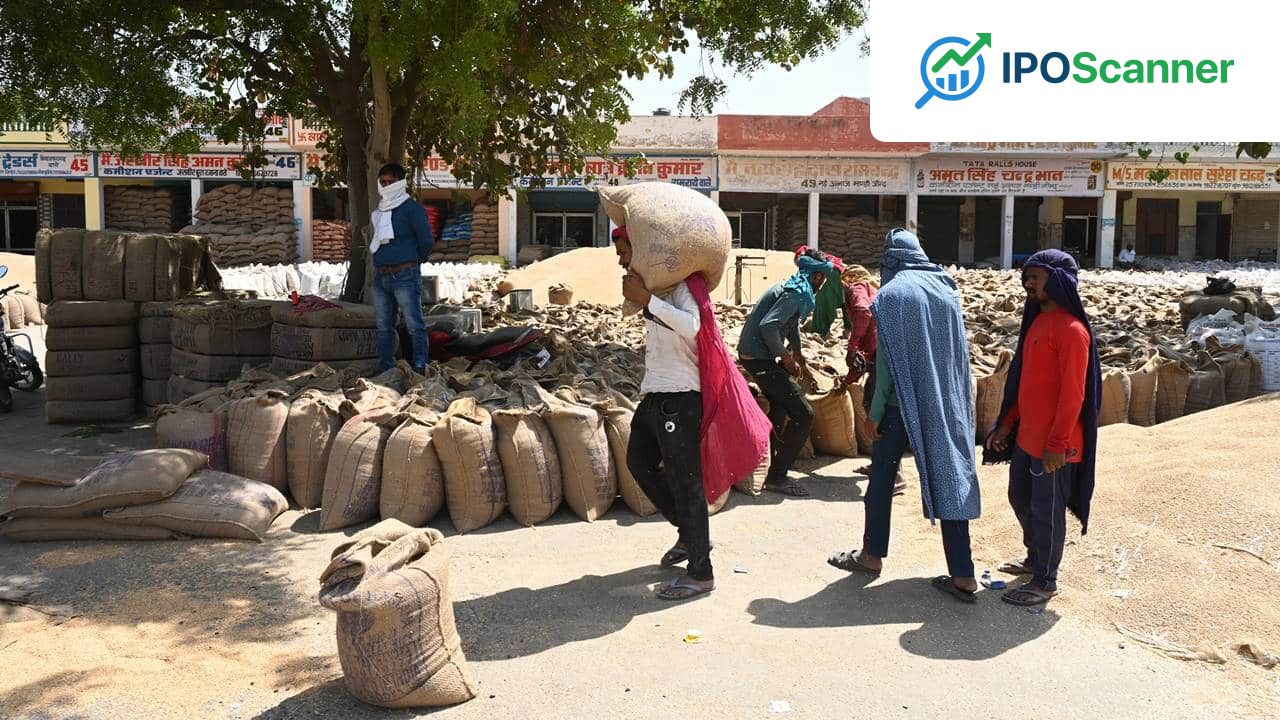
Government Forecasts Kharif Fertiliser Demand to Reach 390 Lakh Tonnes, Confirms Adequate Supply
Fertiliser Availability Assured for Upcoming Kharif Season
The Centre has asserted that there is adequate availability of fertilisers in the country to meet the demand of soil nutrients during the upcoming Kharif (summer-sown) season. According to Aparna S Sharma, Additional Secretary, Department of Fertilizers, the domestic output post crisis has been good and the country is also importing fertilisers to ensure sufficient supply.
The overall stock position of fertiliser in the country remains comfortable, with a stock of 200.12 lakh tonne as of now. This is significantly higher than the usual 33 per cent, and more than 50 per cent of the projected Kharif demand of 390.54 lakh tonne. The Department of Agriculture has assessed the fertiliser requirement for Kharif 2026 at 390.54 lakh tonne, with the Kharif sowing operation set to begin in June.
Domestic production and imports of fertilizers have been substantial after the crisis. The total domestic production has been approximately 95 lakh tonne, while about 22.60 lakh tonne of imports have reached Indian shores, adding a total of 117.6 lakh tonne fertilizers to the stock. The country has already secured 13.5 lakh tonne of DAP and 9 lakh tonne of NPK complexes, ensuring adequate availability during the peak Kharif season.
Read also: Treasury Yields Experience Largest Increase in Two Weeks Following Release of Labor Market Data
The availability of inputs for the production of fertilizers also remains comfortable. The Department of Fertilizer is regularly reviewing the situation, with the Empowered Group of Secretary having held nine meetings so far. The position is stable and well managed, with adequate availability of finished fertilizers and raw materials.
In 2025, nearly 73 per cent of the country's total fertilizer requirement was met through domestic production. Total domestic production of fertilizers, including Urea, DAP, NPKs and SSP, has increased from 433.29 lakh tonne in 2021 to a record 524.62 lakh tonne in 2025. India imports a large quantity of urea and di-ammonimum phosphate (DAP) to meet local demand.
The country's urea production has increased from 225 lakh tonne during 2014-15 to 306.67 lakh tonne in 2024-25. The country imported more than 100 lakh tonne of urea last fiscal to meet local demand. The budgetary allocation for fertiliser subsidies in 2026-27 stands at Rs 1.71 lakh crore, while the import bill is likely to rise as rates in global markets have shot up.
| Fertiliser Type | Domestic Production (Lakh Tonne) | Import (Lakh Tonne) | Total Stock (Lakh Tonne) |
|---|---|---|---|
| Urea | 95 | 22.60 | 117.6 |
| DAP | - | 13.5 | 13.5 |
| NPK Complexes | - | 9 | 9 |
| Total | 95 | 45.10 | 140.1 |
Read also: US-Iran Tensions Spark Uptick in Oil Prices Amid Global Market Decline
The MRP of neem-coated Urea is currently Rs 242 per bag (45kg), while the DAP is being sold at Rs 1,350 per bag (50kg).
More in Economy

Treasury Yields Experience Largest Increase in Two Weeks Following Release of Labor Market Data

US-Iran Tensions Spark Uptick in Oil Prices Amid Global Market Decline

MoSPI Releases Uniform Norms for DDP Estimates with 2022-23 Base Year

