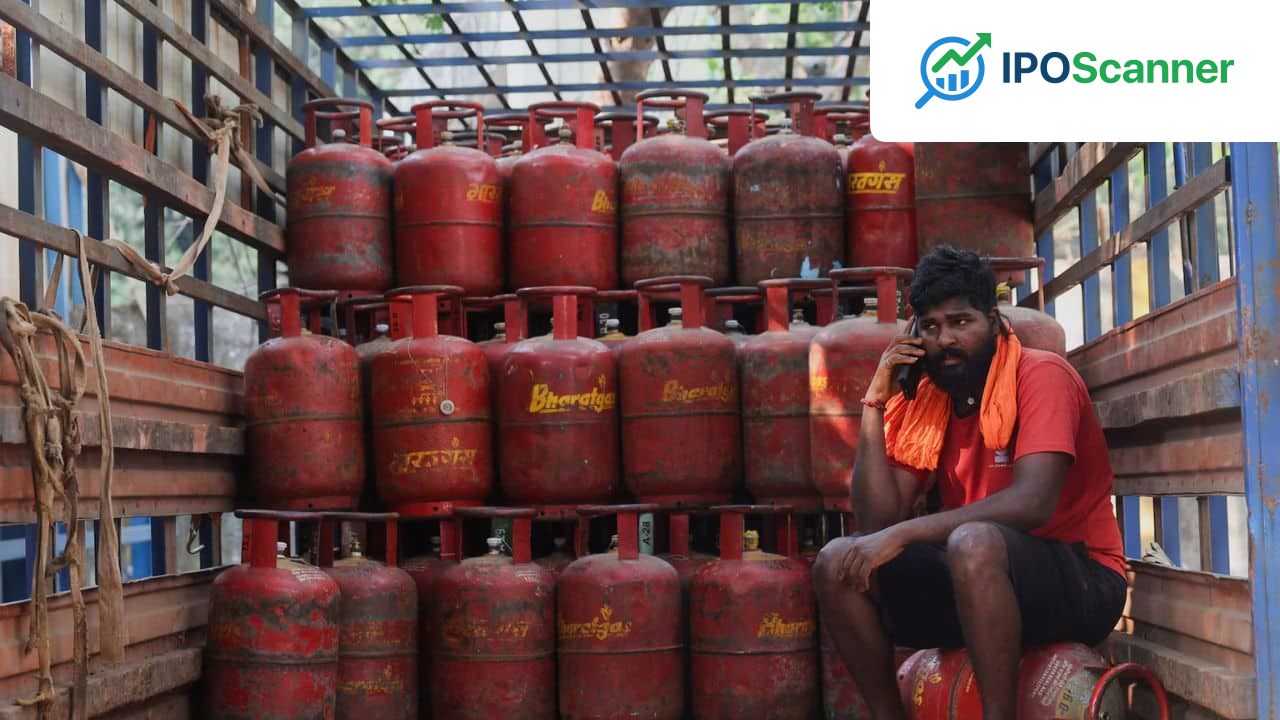
Government Examines Households with Dual LPG and PNG Connections
Government Cracks Down on Dual Gas Connections to Prioritize LPG Supplies
The Indian government is taking steps to identify and curb households with both liquefied petroleum gas (LPG) and piped natural gas (PNG) connections, as part of its efforts to better target subsidies and prevent misuse. This move is aimed at prioritizing LPG supplies for households that do not have access to piped gas.
In a notification issued on March 14, the Ministry of Petroleum and Natural Gas amended the Liquefied Petroleum Gas (Regulation of Supply and Distribution) Order, 2000, under the Essential Commodities Act. The amended order prohibits households with PNG connections from retaining or obtaining subsidized domestic LPG connections. This decision was made with a view to accelerating PNG rollout and easing pressure on cooking gas supplies amid global energy supply disruptions.
The government has also prohibited government oil companies and their distributors from providing domestic LPG connections or refilling cylinders for consumers who already have a PNG supply. According to Sujata Sharma, Joint Secretary in the Ministry of Petroleum and Natural Gas, more than 43,000 LPG users with dual connections have surrendered their LPG connections so far. However, she expects this number to be higher.
Read also: Treasury Yields Experience Largest Increase in Two Weeks Following Release of Labor Market Data
India imports about 88% of its crude oil, 50% of its natural gas, and 60% of its LPG needs. The recent conflict in West Asia has led to a blockade of the Strait of Hormuz, the main transit route for Gulf energy supplies. As a result, India has partly offset crude supply disruptions by sourcing oil from countries like Russia, but gas supplies have been curtailed to industrial users, and LPG availability to commercial establishments has been reduced.
| Category | Before Conflict | After Conflict |
|---|---|---|
| Crude Oil Imports | 50% of imports came from West Asia | 30% of imports came from West Asia |
| Gas Imports | 30% of imports came from West Asia | Gas supplies curtailed to industrial users |
| LPG Imports | 85-90% of imports came from West Asia | LPG availability reduced to commercial establishments |
The government has also stopped issuing fresh LPG connections in view of the availability crisis. This move is expected to have a significant impact on households that rely on LPG for cooking, and the government is working to ensure that LPG supplies are prioritized for those who need them most.
More in Economy

Treasury Yields Experience Largest Increase in Two Weeks Following Release of Labor Market Data

US-Iran Tensions Spark Uptick in Oil Prices Amid Global Market Decline

MoSPI Releases Uniform Norms for DDP Estimates with 2022-23 Base Year

