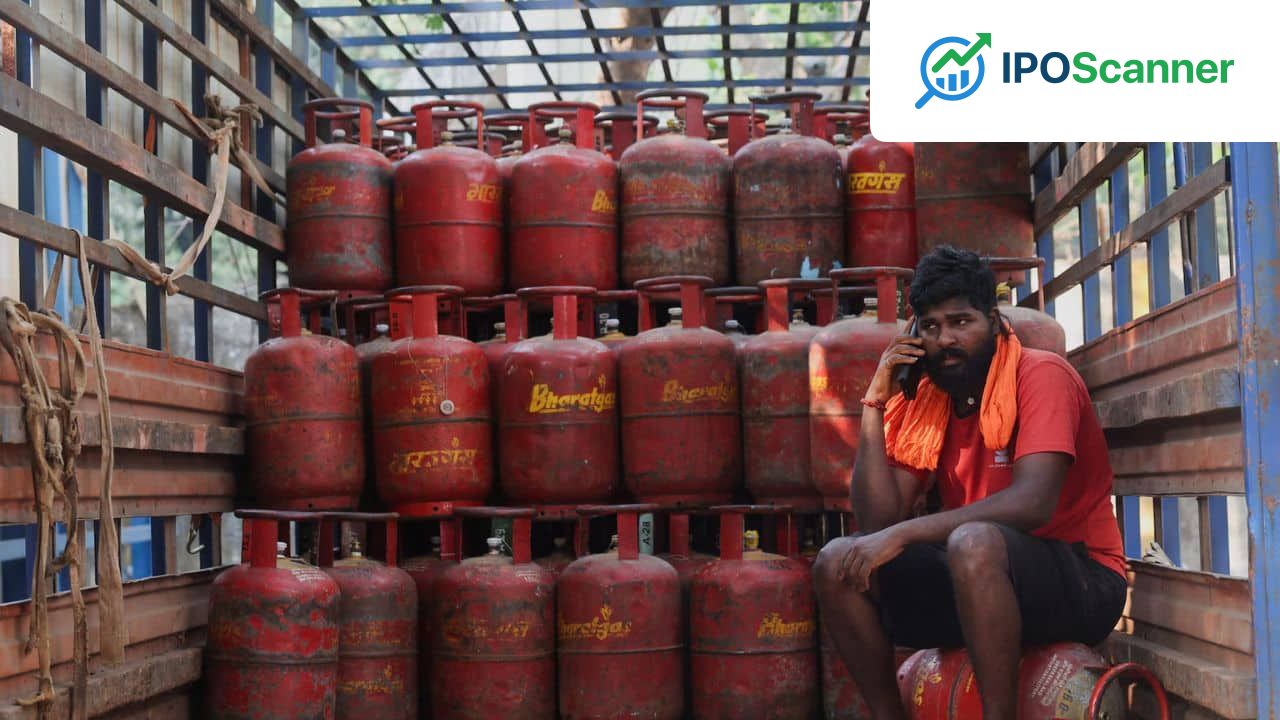
Government Directs Refineries to Redirect LPG Feedstock to Industries Affected by Petrochemical Shortage
Government Directs Refineries to Divert Feedstock to Petrochemical Industry
The Ministry of Petroleum and Natural Gas has directed oil refineries to divert a portion of the feedstock normally used for producing cooking gas (LPG) to industries affected by the ongoing petrochemical shortage. The shortage spans sectors from packaging to condom manufacturing, and has been exacerbated by the disruption in India's LPG supplies from the Middle East due to the war.
Following the disruption, the government had asked refiners to maximise LPG production so as to meet cooking gas requirements. This was achieved by diverting streams that were previously used for making petrochemicals. However, this decision has had an unintended consequence, impacting the production of packaging material, which has hit the food and beverage industry as well as the fast-moving consumer goods (FMCG) sector. Even the condom industry has run short of raw material.
To mitigate the impact, the Ministry of Petroleum and Natural Gas has directed refineries to allocate a portion of propylene to the petrochemical industry. This move will have an impact on supplies available for domestic LPG, but it will be ensured that supplies to domestic consumers are not affected.
Read also: Treasury Yields Experience Largest Increase in Two Weeks Following Release of Labor Market Data
Impact of Decision on Petrochemical Industry
| Sector | Pre-Crisis Allocation | Post-Crisis Allocation |
|---|---|---|
| Petrochemicals | 0% | 20% |
| Commercial LPG | 0% | 50% (including 10% linked to PNG expansion reforms) |
This decision is a result of the government's efforts to balance the competing demands of the petrochemical and LPG industries. Additionally, the government has temporarily abolished customs duty on the import of certain petrochemicals to help the industry hurt by LPG production.
The government has also prioritised the allocation of commercial LPG to key sectors such as restaurants, dhabas, hotels, industrial canteens, food processing and dairy units, subsidised canteens run by State Governments or local bodies, community kitchens, and 5 kg cylinders for migrant labourers. Educational institutions and hospitals continue to receive priority, accounting for around 50% of the total commercial LPG allocation.
Read also: US-Iran Tensions Spark Uptick in Oil Prices Amid Global Market Decline
In continuation of these measures, the government has further enhanced allocation of commercial LPG by an additional 20%, taking the total allocation to 70% of the pre-crisis level (including the 10% reform-linked component). This additional allocation is being prioritised for labour-intensive and core industrial sectors, including steel, automobile, textile, dye, chemicals and plastics, with preference to process industries and those requiring LPG for specialised heating purposes where substitution with natural gas is not feasible.
Key statistics:
- 4.3 lakh 5 kg LPG cylinders have been sold.
- 60,000 tonnes of commercial LPG have been uplifted across States and UTs since March 14.
- 50% of the total commercial LPG allocation is being prioritised for educational institutions and hospitals.
More in Economy

Treasury Yields Experience Largest Increase in Two Weeks Following Release of Labor Market Data

US-Iran Tensions Spark Uptick in Oil Prices Amid Global Market Decline

MoSPI Releases Uniform Norms for DDP Estimates with 2022-23 Base Year

