Government Announces Excise Duty Reduction for Petrol and Diesel, but Potential for Lower Pump Prices Remains Uncertain
Government Slashes Excise Duty on Petrol and Diesel
On March 26, 2026, the Finance Ministry announced a reduction in excise duty on petrol to Rs 3 a litre, down from Rs 13 a litre earlier, and exempted diesel from the duty, which was previously Rs 10 per litre.
The cut in excise duty is expected to mitigate the losses suffered by oil marketing companies (OMCs) due to rising global crude prices. However, the move may not translate into lower pump prices for consumers, as OMCs may increase prices to offset the losses.
Global crude prices have surged by approximately 50% since the United States and Israel launched military strikes against Iran on February 28, leading to a retaliation from Tehran. International oil prices have touched $119 per barrel earlier this month before pulling back to around $106 a barrel.
Read also: Treasury Yields Experience Largest Increase in Two Weeks Following Release of Labor Market Data
India imports 88% of its crude oil needs and roughly half of its natural gas requirement, which mostly come via the Strait of Hormuz. Following the US and Israeli attacks on Iranian government, military, and nuclear facilities, Iran warned shipping away from the strait, and insurers withdrew coverage, effectively halting tanker movements.
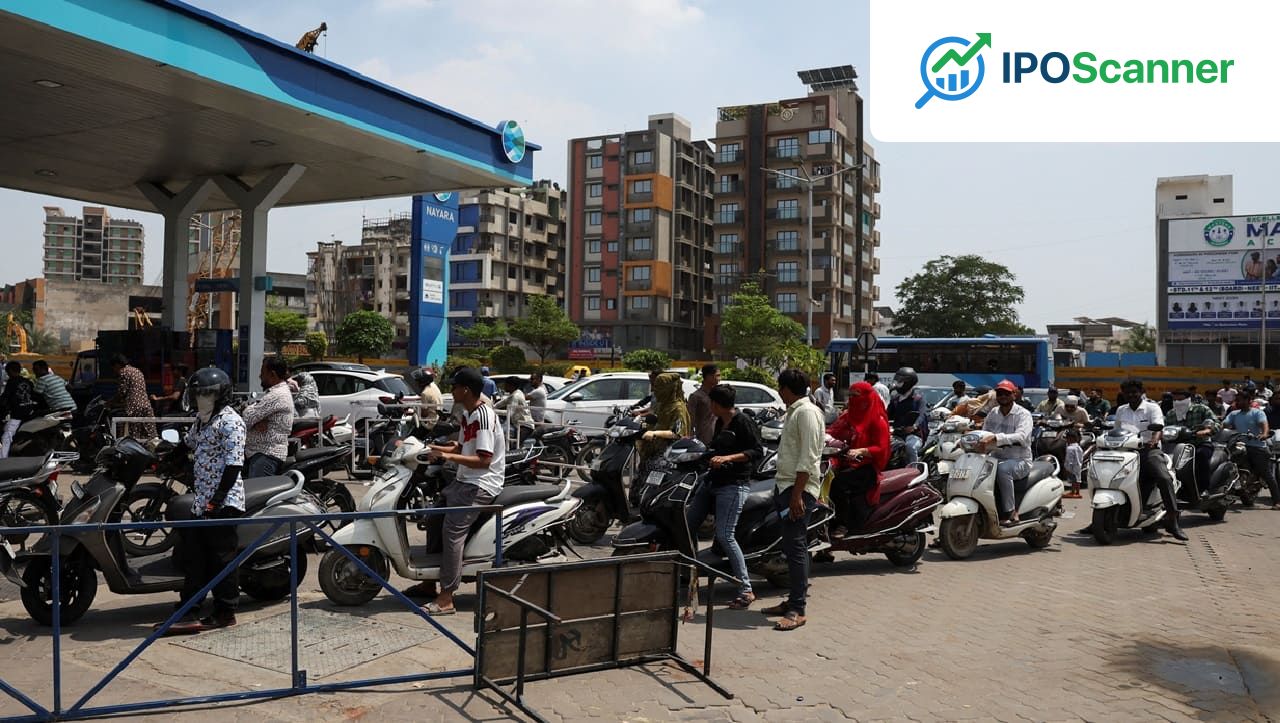
Nayara Energy, which operates 6,967 of India's 102,075 petrol pumps, has decided to pass on part of the increase in input costs to consumers and has raised petrol prices by Rs 5/litre and diesel by Rs 3/litre. Jio-bp, the fuel retailing joint venture of Reliance Industries and BP Plc, has so far not raised prices despite incurring heavy losses on the sale of petrol and diesel.
State-owned fuel retailers, who control about 90% of the market, continue to keep rates frozen. A litre of normal petrol in Delhi continues to cost Rs 94.77, while the same grade diesel comes for Rs 87.67 a litre.
Investor Takeaway
Investors should be cautious of potential price volatility in the energy sector due to global crude price fluctuations.
More in Economy

Treasury Yields Experience Largest Increase in Two Weeks Following Release of Labor Market Data

US-Iran Tensions Spark Uptick in Oil Prices Amid Global Market Decline

MoSPI Releases Uniform Norms for DDP Estimates with 2022-23 Base Year

