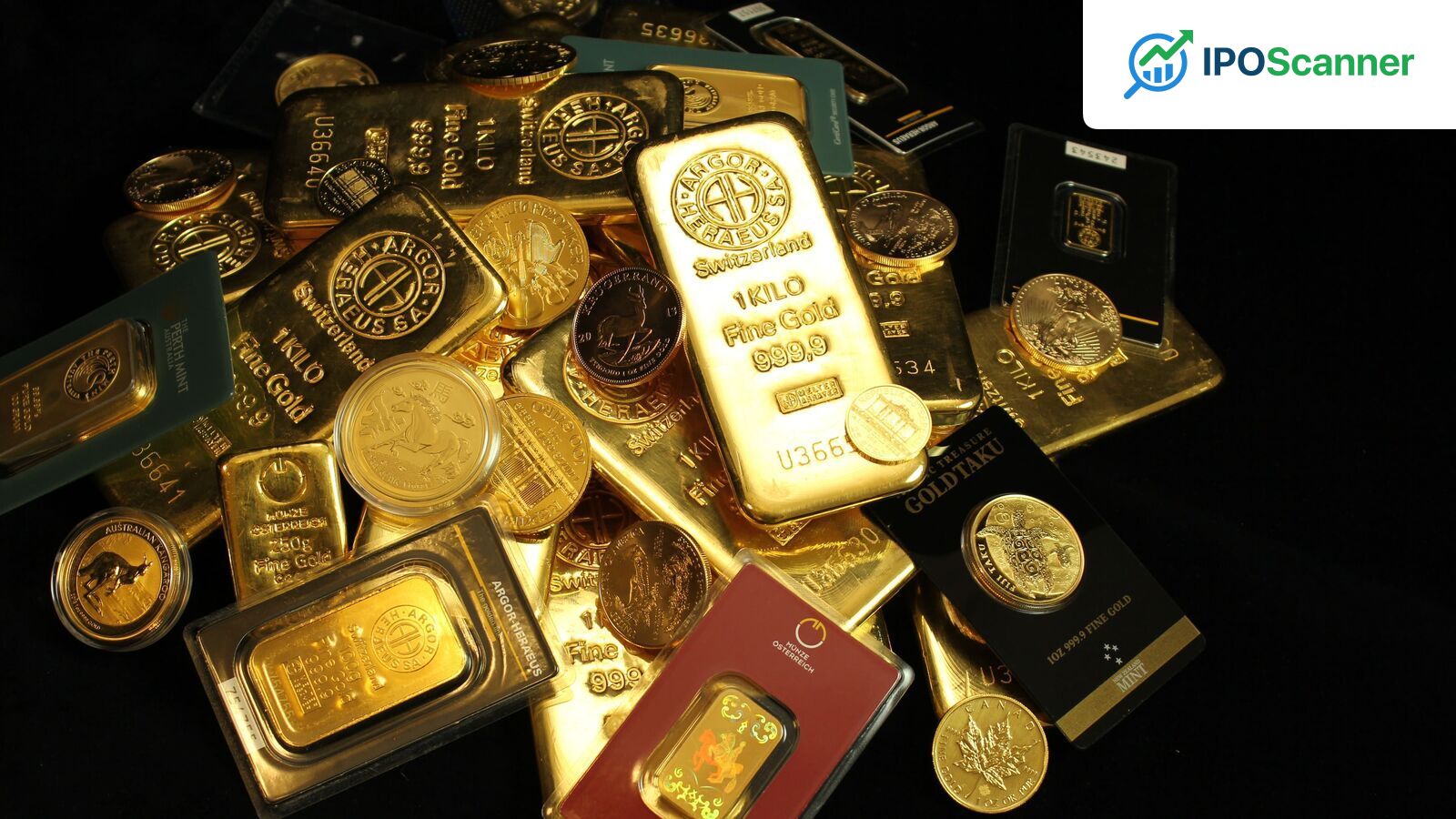
Gold's Continued Role in Strategic Asset Allocation
Gold Volatility on the Rise Amid Global Uncertainty
The World Gold Council has released a report highlighting the increasing volatility of gold prices in 2026, influenced by a combination of macroeconomic and market factors. According to the council, swings in gold prices have become more pronounced, with significant factors contributing to this trend including the dampening of expectations for interest rate cuts by the Federal Reserve and an increase in bond yields.
Key Events Contributing to Volatility
The international trade association noted that these changes were shaped by events such as the appointment of Kevin Warsh at the end of January and rising tensions in the Middle East in February, which amplified concerns about inflation. Furthermore, the World Gold Council stated that ongoing geopolitical tensions, particularly the conflict in the Middle East, have heightened liquidity demands, applying pressure on gold. Major trading centers like Dubai have encountered disruptions, exacerbating the trend.
| Asset Class | Volatility in March | Historical Average |
|---|---|---|
| Gold | 18% | 14% |
| Equities | 25% | 18% |
| Bonds | 12% | 8% |
The council observed that gold is not the only asset witnessing this trend, with volatility in equities and bonds surging sharply in March, indicating a wider risk-averse sentiment. This trend has historical precedence; during the Global Financial Crisis and the COVID-19 pandemic, investors frequently liquidated gold holdings to fulfill margin calls, due to its high liquidity and earlier price gains.
Will Gold's Volatility Subside?
The World Gold Council stated that the recent surge in volatility is not expected to be a lasting condition, emphasizing that price fluctuations for gold typically revert to the mean over time. Traditionally, gold's annualized volatility has remained mostly between 10% and 18% on most trading days, even following sharp increases. The council's evaluation also suggests that the "half-life" of volatility is around 1.6 months, indicating that the effects of a volatility shock usually diminish by half within that timeframe, resembling a pattern seen in equities.
Read also: RBI Policy Preview: A Cautionary Wait Ahead
Gold's Correlation with Equities
Gold exhibits a low to negative correlation with risky assets, reinforcing its function as a safe-haven investment. Consequently, including gold in a diversified portfolio aids in minimizing overall risk, even during times of heightened volatility in gold itself. The council also stated that its evaluation of a theoretical portfolio consisting of global stocks and bonds reinforces this perspective. Although gold might experience some decline during times of market stress—often due to investors selling off assets to fulfill liquidity demands—it generally recovers and performs better when uncertainty continues.
Gold Remains a Key Asset in Investors' Portfolios
Despite recent increases in volatility, gold remains a key asset in investors' portfolios. The council observed that inflation shocks, like the recent spike in oil prices associated with the Iran conflict, tend to cause bond and equity markets to show a positive correlation, as both asset classes experience pressure.
Investor Takeaway
Consider gold as a strategic asset for diversification in investment portfolios.
More in Economy

FirstClub Secures $55 Million in Funding from Peak XV, Sofina, and Other Investors 9 Months After $22 Million Series A Round

RBI Policy Preview: A Cautionary Wait Ahead

RBI Rate Cuts May Come to an End Amid Rising Oil Prices and Weakening Rupee: Expert Analysis