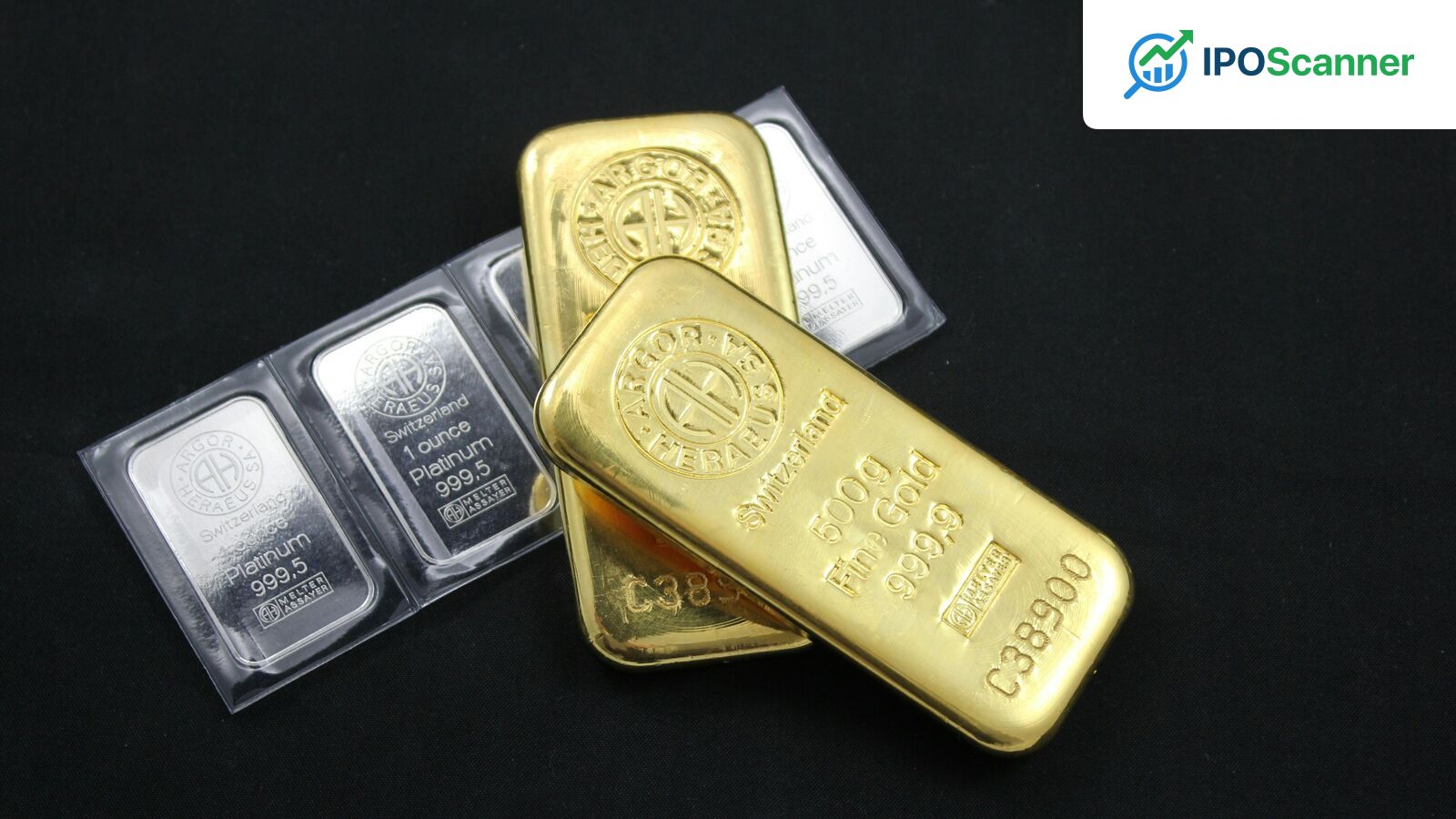
Gold-Silver Ratio Drops Below 60, Suggesting Potential Shift in Precious Metals Market Dynamics
Gold-Silver Ratio Drops Below 60, Silver Prices Surge
The gold-silver ratio has witnessed sharp volatility in recent months, tracking fluctuations in the prices of precious metals. The ratio slipped below the key level of 60 on Monday, hovering near a one-month low. This decline follows a similar trend in late January, when the ratio dropped below 44 as silver prices surged.
However, a subsequent correction in silver pushed the ratio above 70 in February. In March, the ratio remained relatively stable above the 60 mark. The current decline in the ratio is attributed to both gold and silver prices falling in April. On April 20, gold prices traded lower, weighed down by a stronger dollar as reports of renewed disruptions in the Strait of Hormuz pushed crude oil prices higher, reviving inflation concerns.
The spot gold price fell 0.7% to $4,792.89 per ounce, while the spot silver price declined 1.6% to $79.49 per ounce. US gold futures for June delivery dropped 1.4% to $4,812.20. In the domestic market, MCX gold rate fell by ₹1,148, or 0.74%, to ₹1,53,461 per 10 grams. Silver prices declined more sharply, down ₹5,492, or 2.14%, to ₹2,51,650 per kg.
Read also: Gold and Silver Prices Decline Amid Strengthening Dollar and Inflation Concerns
Understanding the Gold-Silver Ratio
The gold-silver ratio measures how many ounces of silver are required to purchase one ounce of gold. A rising ratio indicates that gold is outperforming silver, while a falling ratio suggests stronger performance by silver. Historically, a ratio above 80 indicates that silver is relatively undervalued compared to gold, while a ratio near 50 suggests silver is relatively expensive or outperforming.
What Does a Fall Below 60 Indicate?
According to Jigar Trivedi, Senior Research Analyst at IndusInd Securities, the recent decline in gold-silver ratio below 60 reflects silver’s stronger rally relative to gold. A ratio near 60 indicates that while gold continues to rise, it is doing so at a slower pace than silver. Trivedi emphasized that a decline in the ratio is not a bearish signal but rather indicative of strength in the broader precious metals bull market.
Read also: Gold and Silver Prices in India: A Review of Current Rates Across Major Cities
| Ratio | Gold Price | Silver Price |
|---|---|---|
| Current | $4,792.89 | $79.49 |
| Jan 2023 (Low) | - | $21.49 |
| Feb 2023 (High) | - | $23.49 |
| Mar 2023 (Stable) | - | $23.49 |
Kaveri More, Commodity Analyst (Technical Research) at Choice Broking, noted that a drop in the gold-silver ratio below 60 typically signals that silver is outperforming gold, often seen in the mid-to-late stages of a precious metals bull cycle when speculative, industrial, and safe-haven demand for silver accelerates. However, she added that a compressed ratio may also suggest that gold is relatively undervalued.
Investor Takeaway
Monitor gold and silver prices for potential shifts in market dynamics.
More in General
Gold and Silver Prices Decline Amid Strengthening Dollar and Inflation Concerns
Gold and Silver Prices in India: A Review of Current Rates Across Major Cities
Silver Price Plunge Continues Amid Strong US Job Report and Escalating Middle East Tensions