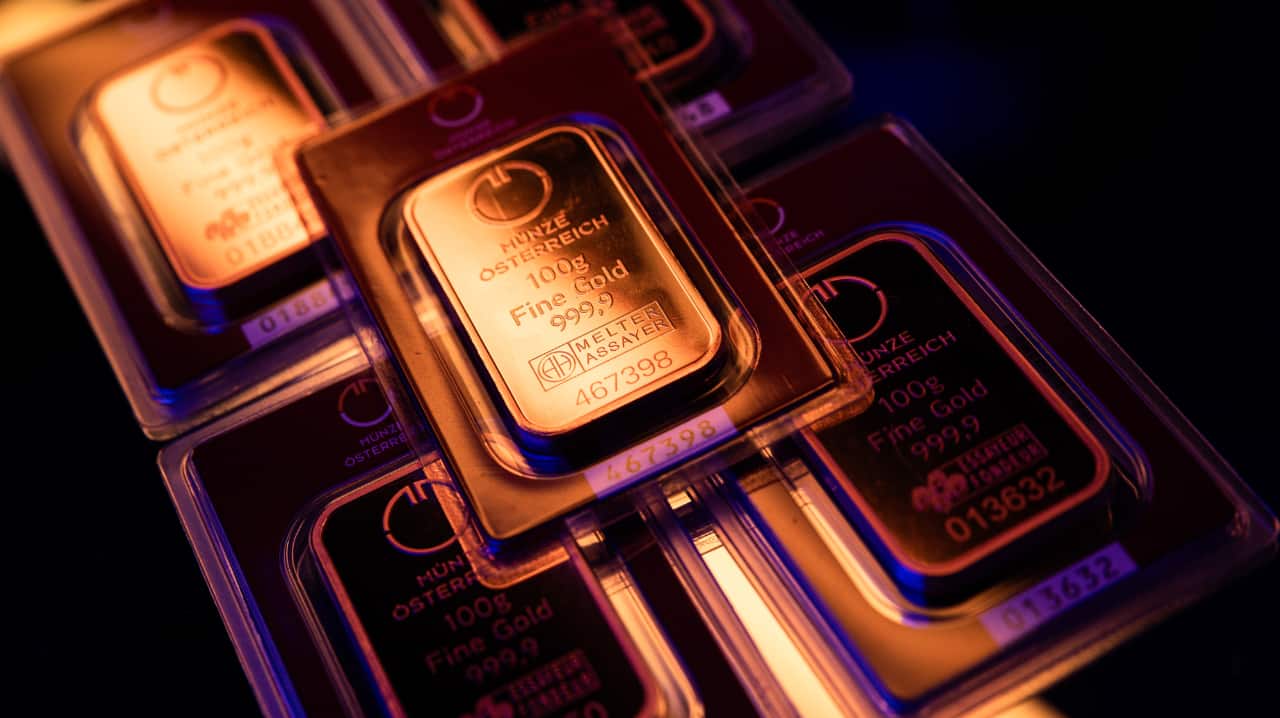
Gold Prices Surge Amid Reports of Potential Easing of Tensions with Iran
Gold Prices Rise Amid Signs of War in the Middle East Ending
Gold advanced by as much as 1.1% to near $5,200 an ounce on Tuesday, March 10, 2026, following President Donald Trump's comments that the war in the Middle East could be nearing an end. This led to a decline in oil prices, with crude tumbling more than 10%, and a gauge of the dollar falling as much as 0.4%.
The prospect of an end to the conflict with Iran has reduced the likelihood of interest-rate cuts by the Federal Reserve and other central banks. Higher borrowing costs are typically a headwind for gold, which does not pay interest. The haven asset has been used as a source of liquidity during the global equities rout, with investors seeking to reduce their exposure to risk.
Gold has gained around 20% this year, driven by Trump's upheaval of global trade and geopolitics, as well as threats to the Fed's independence. However, the volume of gold held by exchange-traded funds (ETFs) has declined, with total holdings falling by nearly 30 tons last week, marking the biggest weekly selloff in more than two years.
Read also: Treasury Yields Experience Largest Increase in Two Weeks Following Release of Labor Market Data
Spot gold rose 0.8% to $5,180.16 an ounce as of 10:08 a.m. in London, while silver rose 2.4% to $89.05. The Bloomberg Dollar Spot Index fell 0.3%.
Technical analysis suggests that gold would find support around the $5,000-an-ounce mark before finding a more robust level closer to $4,500, according to Suki Cooper, global head of commodities research at Standard Chartered Plc.
Investor Takeaway
Investors should be prepared for potential market volatility as tensions with Iran ease.
More in Economy

Treasury Yields Experience Largest Increase in Two Weeks Following Release of Labor Market Data

US-Iran Tensions Spark Uptick in Oil Prices Amid Global Market Decline

MoSPI Releases Uniform Norms for DDP Estimates with 2022-23 Base Year

