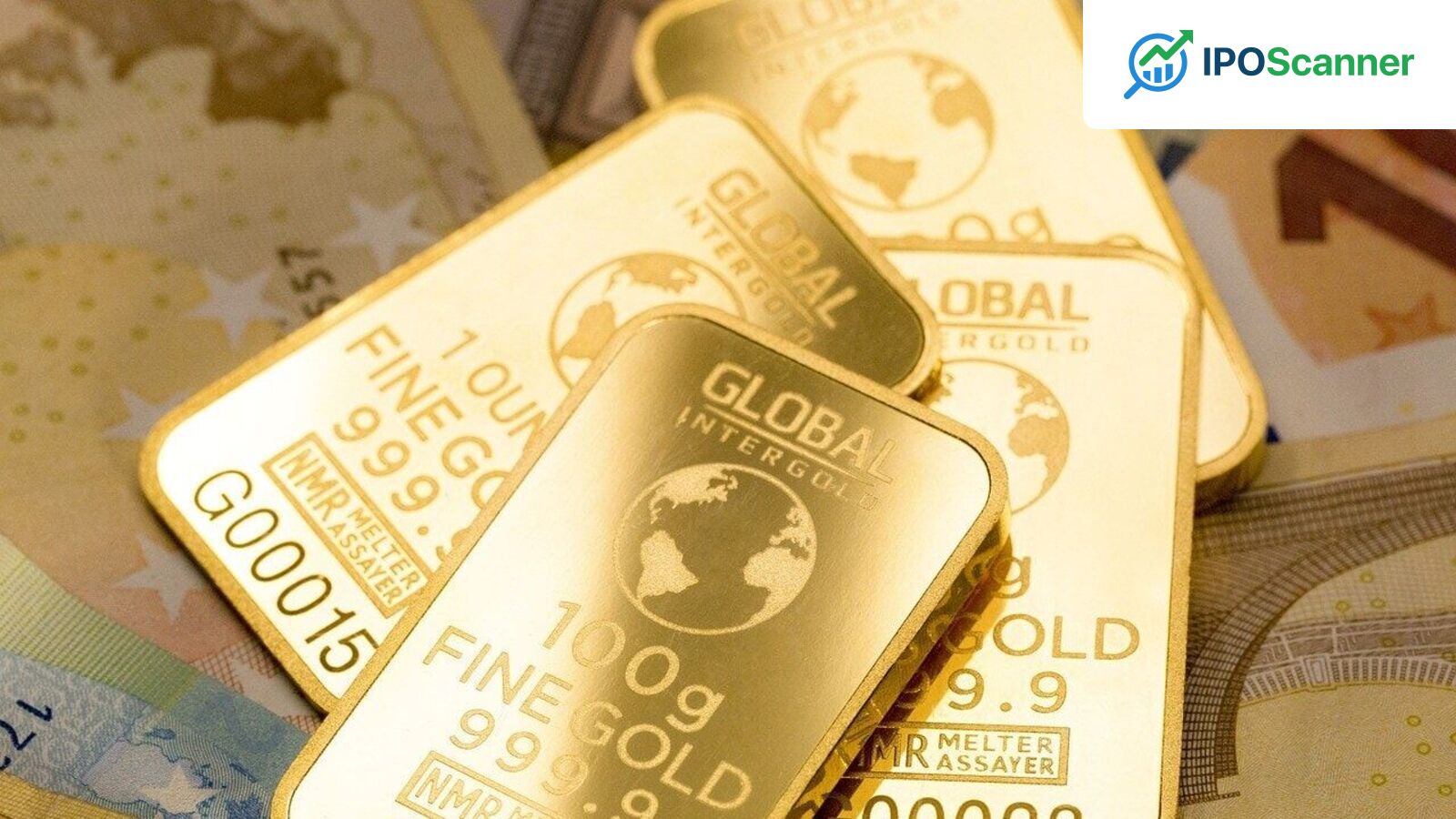
Gold Prices Plummet 6% Amid US-Iran Tensions, Is This a Buying Opportunity?
Gold Prices Decline Amid US-Iran War Uncertainties
When geopolitical and macroeconomic uncertainties are high, investors often seek refuge in gold, a safe-haven asset considered a hedge against inflation and other risks. However, the yellow metal's performance over the last month has challenged this notion. Instead of rising, prices have seen a significant correction amid the ongoing US-Iran war.
According to MCX data, domestic spot gold prices have declined approximately 6% since the US-Iran war started on February 28. In the futures market, the gold rate is near ₹1,52,000 per 10 grams, whereas in late January, it was near ₹2,03,000 per 10 grams. This decline can be attributed to the rise in the US dollar, which has been driven by the war in the Middle East. The increased demand for the US dollar, as a result of crude oil prices reaching multi-year high levels, has raised its value.
| Market | Gold Price (Late January) | Gold Price (Current) | Decline |
|---|---|---|---|
| MCX | ₹2,03,000 per 10 grams | ₹1,52,000 per 10 grams | 6% |
| Futures Market | ₹1,52,000 per 10 grams |
Read also: Treasury Yields Experience Largest Increase in Two Weeks Following Release of Labor Market Data
Gold prices have also been affected by the elevated crude oil prices, which have raised the risk of inflation flare-up and dimmed the prospects of rate cuts by the US Federal Reserve. The gold's stellar rally last year has also capped its upside, keeping prices down lately.
Despite the near-term challenges, the long-term outlook for gold remains bullish due to factors such as central bank buying, geopolitical uncertainties, and the high global debt. According to Jigar Trivedi, Senior Research Analyst at IndusInd Securities, the outlook for gold remains bullish in the long term, supported by a few strong factors, including central banks continuing to buy gold as part of a shift away from the US dollar, rising global debt and fiscal stress increasing demand for safe-haven assets, and ongoing geopolitical tensions supporting prices.
However, Trivedi added that in the near term, gold may face some pressure due to persistent inflation and delays in interest rate cuts. In India, a weakening rupee is acting as an additional tailwind for gold prices. Trivedi recommends that investors maintain a balanced portfolio, with around 15–18% allocation to gold or bullion.
Hareesh V, the head of commodity research at Geojit Investments, advises investors to wait for gold prices to stabilise. "I think investors should wait. The broad outlook is still bullish because there are no negative fundamentals at present. But geopolitical tensions have again escalated. So, we don’t know how gold may perform in the coming weeks," said Hareesh.
Read also: US-Iran Tensions Spark Uptick in Oil Prices Amid Global Market Decline
HNIs (high net-worth individuals) and retail investors appear doubtful, and are liquidating their gold positions into liquid cash, primarily looking into the US dollar, which is rising. It is recommended that investors keep about 15-20% of their investible money in gold for the long term and avoid short-term bets.
Investor Takeaway
Investors should be cautious of the current market volatility and potential inflation risks.
More in Economy

Treasury Yields Experience Largest Increase in Two Weeks Following Release of Labor Market Data

US-Iran Tensions Spark Uptick in Oil Prices Amid Global Market Decline

MoSPI Releases Uniform Norms for DDP Estimates with 2022-23 Base Year

