Gold Bounces Back from Bear Market Lows Amid Dip-buyer Interest
Gold Prices Recover After Record-Breaking Selloff
Key Figures:
- 15%: decline in gold prices this month
- 19%: decline in gold prices from January closing peak to end of trading Thursday
- 3%: increase in gold prices on Friday
- $8 billion: value of gold sold and swapped by Turkey in two weeks
- 150%: gold's rally since the beginning of 2023
- 20%: threshold that conventionally marks the start of a bear market
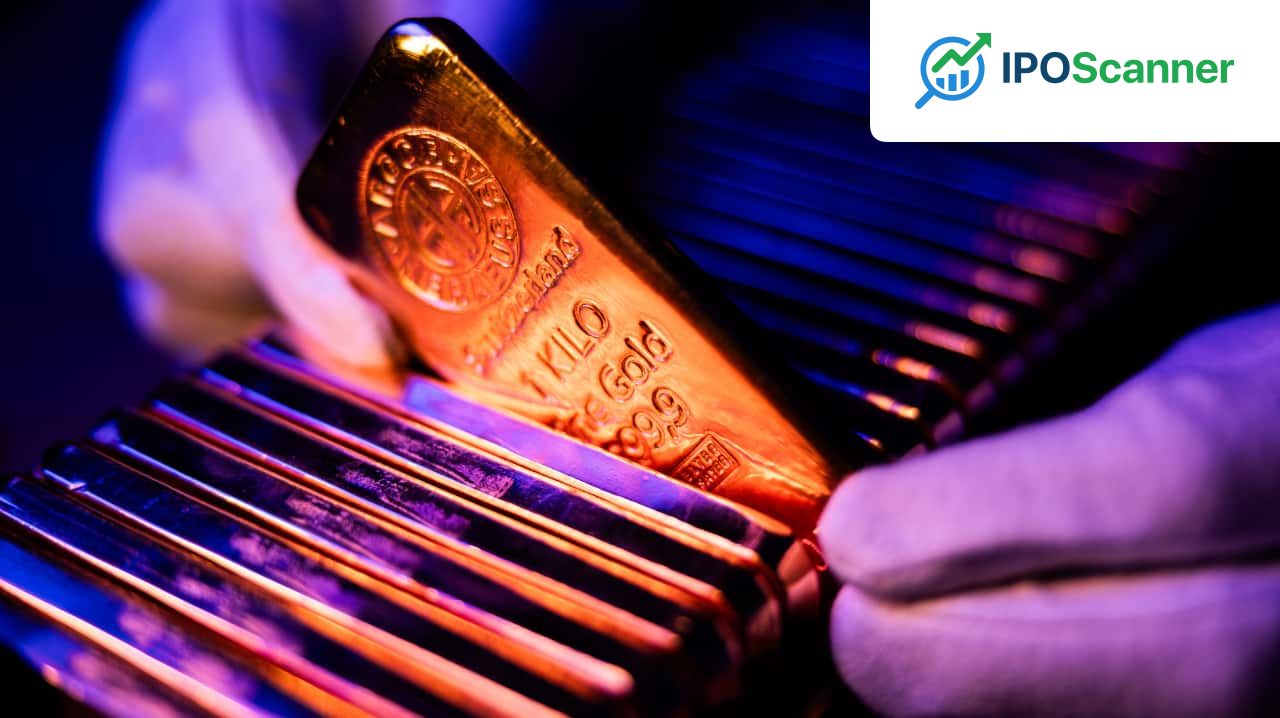
Gold prices have fallen by 15% this month, creating a test of faith for gold bulls. Despite the decline, opportunistic buyers are starting to emerge, helping to keep bullion's record-breaking three-year bull run intact.
Read also: Gold and Silver Prices Decline Amid Strengthening Dollar and Inflation Concerns
The meltdown has been driven by a broader selloff across stocks, bonds, and currencies, prompting investors to sell bullion to cover losses elsewhere. Turkey has been offloading its holdings to support its currency, while concerns over a broader cohort of central banks selling gold have added to the headwinds.
However, by Friday, investors stepped back in, driving prices 3% higher. Money managers and banks insist that the underlying drivers of swollen government debts and a fractured geopolitical landscape are still in place, making gold a "buying opportunity" once tensions in the Middle East subside.
Gold's nearly 150% rally since the beginning of 2023 was kicked off by central banks, who started buying more after the freezing of Russia's foreign exchange reserves highlighted the danger of having all their assets in the dollar basket. Hedge funds and retail buyers soon followed, but the correction is seen as a "buying opportunity" once the market stabilizes.
Analysts have pointed to the likelihood of the Iran war triggering central bank gold sales or slowing purchases. Turkey sold and swapped over $8 billion worth of gold in two weeks after the start of the Iran war, in a bid to protect the lira. However, gold swaps should have little to no effect on prices, according to market commentators.
Read also: Gold and Silver Prices in India: A Review of Current Rates Across Major Cities
For the time being, the broader trend is likely to be a step-change lower in pace of accumulation by central banks, rather than a full pivot to sales. The energy price shock has driven up bond yields, leaving gold looking less appealing as an asset that bears no interest. A surge in the dollar is also a headwind for investors paying for bullion in other currencies.
Much of the selling has taken place via gold-backed exchange-traded funds. Popular with both retail and institutional investors, metal has flowed into the ETFs for all but one of the last 14 months, turbo-charging bullion's 70% rally over the same period. This month, they're on track for the biggest outflow since 2022 and have erased all of this year's inflows, according to Bloomberg calculations.
Investor Takeaway
Investors should be cautious of potential market volatility but remain optimistic about gold's safe-haven credentials.
More in General
Gold and Silver Prices Decline Amid Strengthening Dollar and Inflation Concerns

Gold and Silver Prices in India: A Review of Current Rates Across Major Cities

Silver Price Plunge Continues Amid Strong US Job Report and Escalating Middle East Tensions