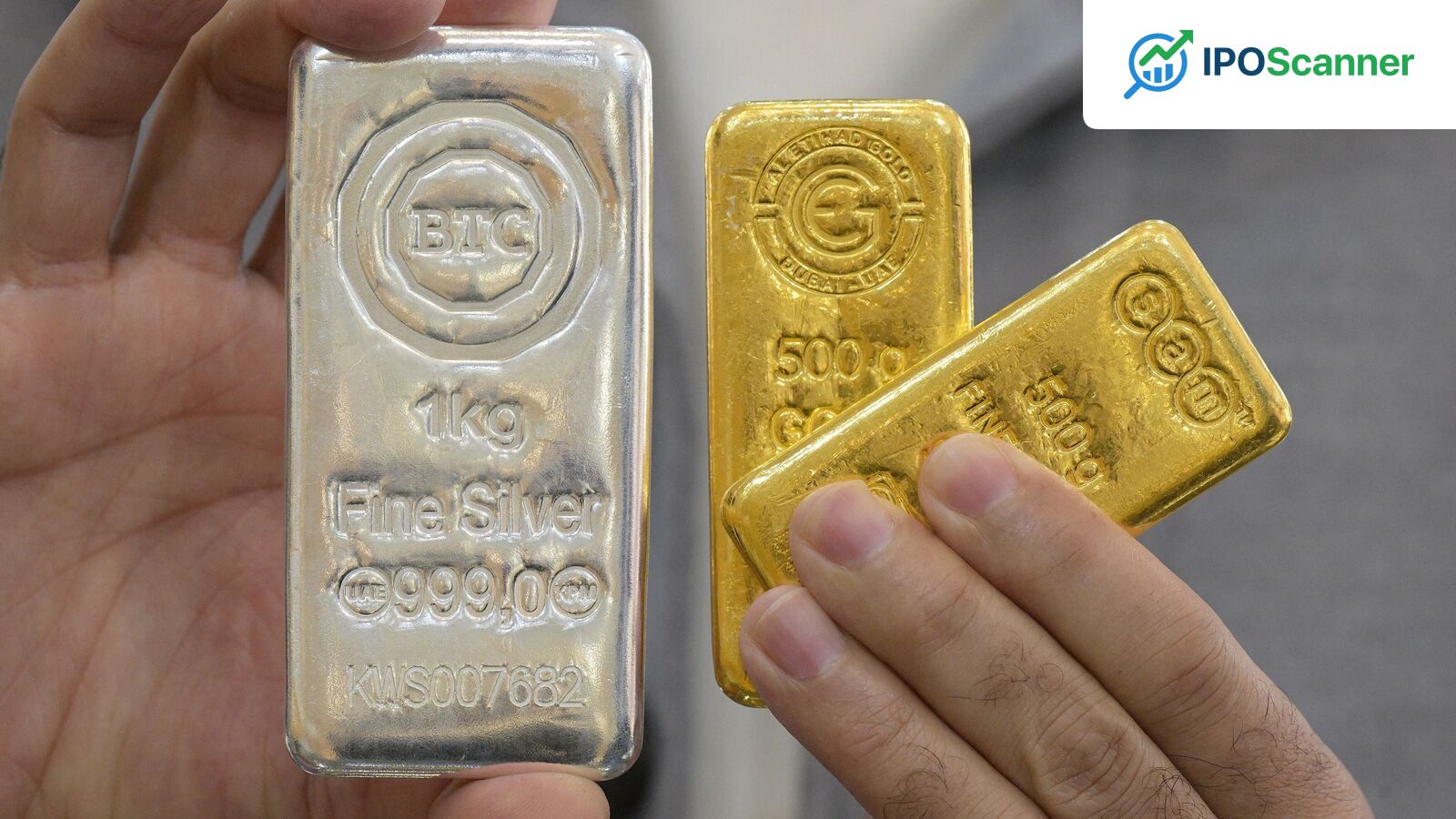
Gold and Silver Prices Plummet Amid US-Iran Tensions and Strengthening US Dollar
Global Commodity Markets Tumble as US Dollar Strengthens and Tensions with Iran Escalate
On Thursday, May 28, gold prices slipped in international markets due to a stronger US dollar and escalating tensions with Iran. The global commodity markets were rattled, raising concerns that inflation could remain elevated for longer than expected.
Spot gold fell 0.8% to $4,419.60 per ounce as of 0129 GMT, while US gold futures for June delivery dropped 0.7% to $4,417.10. Silver prices also declined, with spot silver dropping 1.7% to $73.34 per ounce.
The strengthening of the US dollar made dollar-priced commodities like gold more expensive for holders of other currencies. The pressure intensified after fresh US military strikes in Iran targeted a military site threatening American forces and commercial shipping activity near the Strait of Hormuz. The strikes came hours after US President Donald Trump dismissed reports suggesting a possible agreement with Iran to restore smooth traffic movement through the strategically important waterway.
Read also: Treasury Yields Experience Largest Increase in Two Weeks Following Release of Labor Market Data
The escalation pushed crude oil prices nearly 2% higher in early Asian trade on Thursday, further fueling concerns that energy-driven inflation could accelerate again. Even though geopolitical conflicts typically boost safe-haven demand for gold, the current situation has created a more complicated environment for investors.
Rising oil prices are increasing fears that inflation could remain stubbornly high, reducing expectations for aggressive interest rate cuts from central banks. Federal Reserve Governor Lisa Cook added to those concerns on Wednesday when she said the US central bank should keep short-term interest rates steady for now. However, she also warned that tariffs, the Iran conflict, and a surge in artificial intelligence-related investments were increasing price pressures, and the Fed could consider raising rates if necessary.
| Market | Spot Price (per ounce) | Change |
|---|---|---|
| Gold | $4,419.60 | -0.8% |
| US Gold Futures | $4,417.10 | -0.7% |
| Silver | $73.34 | -1.7% |
Market experts believe gold and silver could remain volatile in the near term as geopolitical tensions, inflation risks, and monetary policy uncertainty continue to dominate investor sentiment. Renisha Chainani, Head of Research at Augmont, said that gold and silver are under pressure following US military strikes on southern Iran, which have effectively ended near-term hopes for a diplomatic resolution.
Read also: US-Iran Tensions Spark Uptick in Oil Prices Amid Global Market Decline
Chainani added that the geopolitical escalation has created a conflicting setup for gold. While safe-haven demand would usually support the metal during periods of uncertainty, rising inflation risks are simultaneously strengthening the US dollar and pushing bond yields higher, limiting meaningful upside in gold prices.
According to Chainani, bond markets have already started repricing expectations for US interest rates. The probability of a 25 basis point Federal Reserve rate hike by December has now climbed to around 40%, while the chances of no rate cuts in 2026 have increased to nearly 60%. She also pointed out that April Producer Price Index data, which showed annualised inflation at 6%, has strengthened the market's hawkish reassessment of the Federal Reserve outlook.
Chainani said that gold is currently trading near the lower boundary of the $4,450–4,600 range. A sustained break below this level could trigger additional profit-booking, with $4,380 emerging as the next major downside target for bullion. On silver, she said prices are currently moving within a broad range of $72 to $78.50 per ounce, and momentum is likely to remain restricted until there is greater clarity on negotiations between the United States and Iran.
Investor Takeaway
Investors should be cautious of potential market volatility due to geopolitical tensions.
More in Economy

Treasury Yields Experience Largest Increase in Two Weeks Following Release of Labor Market Data

US-Iran Tensions Spark Uptick in Oil Prices Amid Global Market Decline

MoSPI Releases Uniform Norms for DDP Estimates with 2022-23 Base Year

