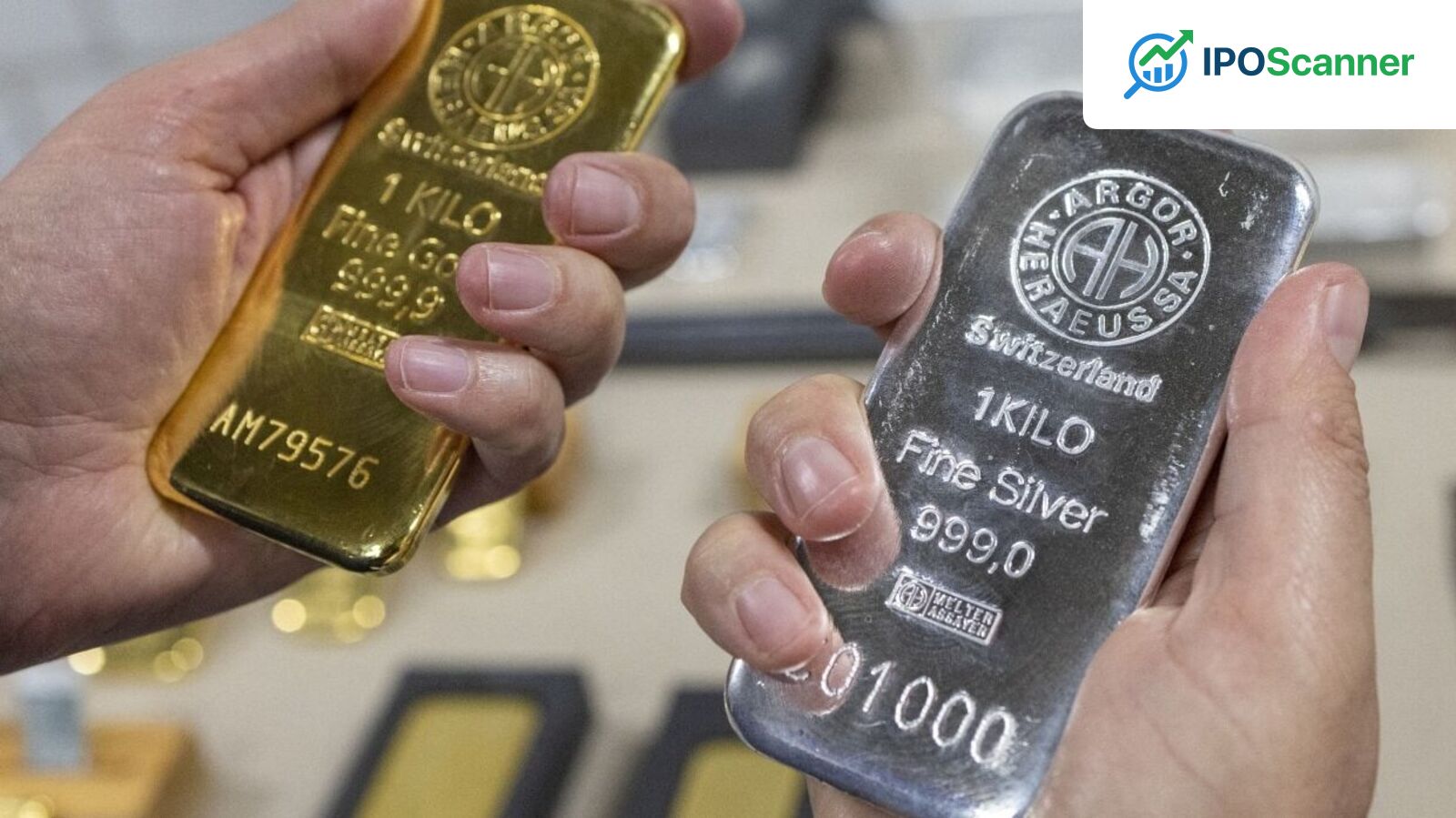
Gold and Silver Prices Decline Amid Revival of US-Iran Tensions and Inflation Concerns
Global Markets Turmoil: Gold and Silver Prices Plunge Amid Escalating Middle East Tensions
Global markets witnessed a sharp decline in gold and silver prices on Monday, as tensions in the Middle East resurfaced, raising concerns about the effectiveness and long-term viability of a long-term truce between the US and Iran. The renewed selling pressure led to a significant drop in prices, with COMEX gold futures plummeting by $127 per troy ounce to an intraday low of $4,808, while silver futures fell by $3.13 to a low of $78.71.
This sharp decline comes after both metals had closed last week with significant gains, with gold rising 2% and silver rallying 7%. Investor interest in precious metals had remained strong in recent weeks, supported by easing geopolitical tensions and softer inflation concerns. However, the optimism appears to be fading after US President Donald Trump announced that the US had fired upon and seized an Iranian-flagged cargo ship in the Gulf of Oman.
The Iranian ship is under US Treasury sanctions due to its prior history of illegal activity. The US has taken full custody of the ship and is assessing what's on board. Trump further threatened to target Iran's power plants and bridges if the country did not agree to a deal with the US. The ceasefire between the two nations is set to expire this week.
Read also: Treasury Yields Experience Largest Increase in Two Weeks Following Release of Labor Market Data
Iran's joint military command reportedly said Tehran would respond soon, termed the US action an act of piracy, and abruptly halted traffic through the waterway less than 24 hours after previously allowing passage, heightening fears of a renewed escalation in hostilities. Iran also reportedly said on Monday that it has no immediate plans to attend talks with the United States, with the truce set to expire shortly.
Trump reiterated that the US blockade of the strait would remain in place until Iran agreed to US demands, despite Tehran's stance. As tensions escalated, the dollar index strengthened, making dollar-denominated bullion more expensive for holders of other currencies. Benchmark 10-year US Treasury yields also rose, increasing the opportunity cost of holding non-yielding bullion.
Although gold is traditionally considered a hedge against inflation and a safe-haven asset during geopolitical and economic uncertainty, rising energy costs linked to the Iran conflict have fuelled inflation concerns and pressured prices lower amid expectations of monetary tightening by the US Federal Reserve.
Domestic Market Impact
Read also: US-Iran Tensions Spark Uptick in Oil Prices Amid Global Market Decline
In the domestic market, the near-month gold futures contract on MCX dropped by ₹1,810 to ₹1,52,799 per 10 grams, while silver futures on MCX also fell by ₹6,412 per kilogram, touching an intraday low of ₹2,50,730 earlier in the day. The yellow metal has recovered by ₹10,327 over the past three weeks and has also rallied by ₹25,014 from its March low of ₹1,29,595. Meanwhile, silver futures have gained by ₹29,188 over the last three weeks and rebounded by ₹57,499 from their March low of ₹1,99,643.
| Market | Price Drop | Previous Week's Gain |
|---|---|---|
| COMEX Gold | $127 per troy ounce | 2% |
| Silver | $3.13 | 7% |
| MCX Gold | ₹1,810 | - |
| MCX Silver | ₹6,412 per kilogram | - |
Note: The table above highlights the price drop and previous week's gain for COMEX gold and silver, as well as the domestic market impact on MCX gold and silver.
Investor Takeaway
Investors should be cautious of market volatility due to rising tensions in the Middle East.
More in Economy

Treasury Yields Experience Largest Increase in Two Weeks Following Release of Labor Market Data

US-Iran Tensions Spark Uptick in Oil Prices Amid Global Market Decline

MoSPI Releases Uniform Norms for DDP Estimates with 2022-23 Base Year

