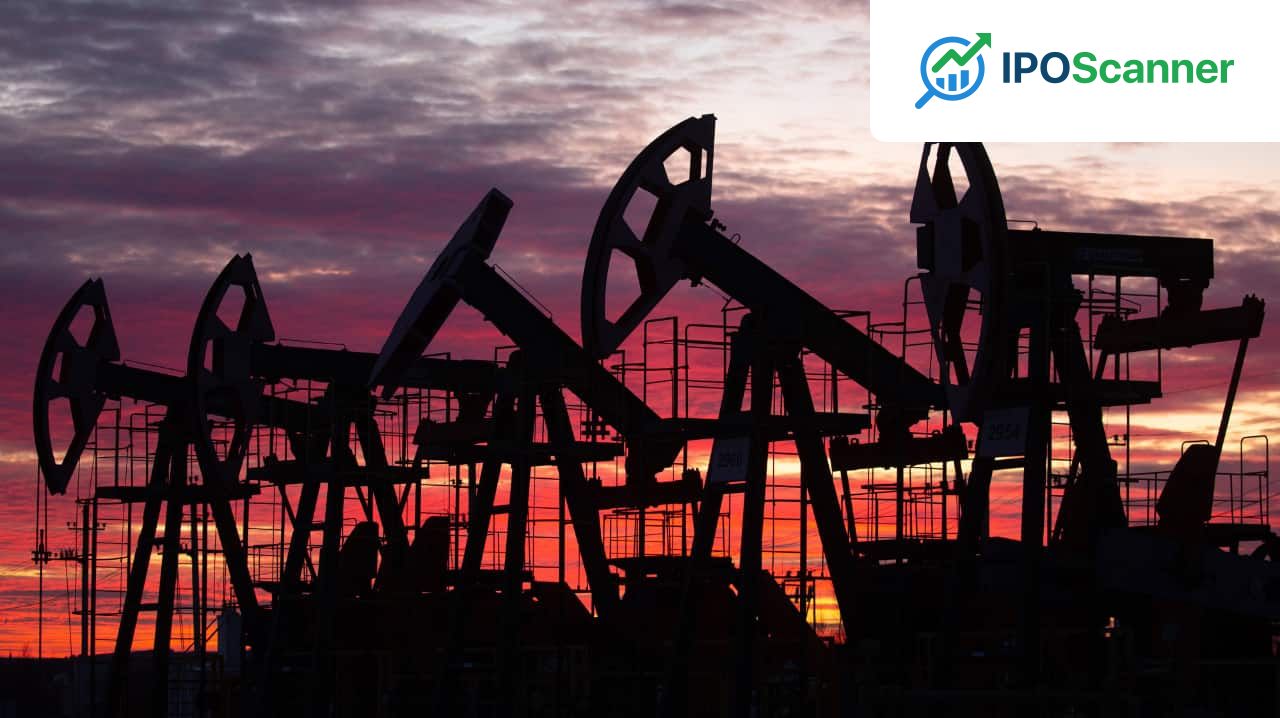
Global Equities Rebound to Close Out a Weakened Month, Oil Sees Record Monthly Increase
Global Markets Rebound on Speculation of Middle East Conflict De-Escalation
Global equity and bond markets experienced a significant jump on Tuesday, fueled by unconfirmed reports that Iran's president is willing to end the month-long war in the Middle East. This development has driven the biggest one-month increase in global oil prices in history, with front-month Brent crude futures holding above $110 a barrel.
The surge in oil prices has had a lasting impact on financial assets, with European stocks suffering through a gloomy month on fears of rising inflation and stagnant growth. Europe's benchmark STOXX 600 index fell 8% in March, logging its steepest monthly decline in nearly four years and ending an eight-month string of gains.
| Index | March Performance | Monthly Decline |
|---|---|---|
| Europe STOXX 600 | -8% | 5.3% |
| S&P 500 | -5.3% | 7.7% |
| Dow Jones Industrial Average | -7.7% |
Read also: Treasury Yields Experience Largest Increase in Two Weeks Following Release of Labor Market Data
Tuesday's rebound was driven by speculation that the U.S. administration may be willing to end the military campaign in the Middle East, even if the crucial Strait of Hormuz remains largely closed. However, Trump's contradictory messages have left investors uncertain about the administration's intentions.
The U.S. dollar fell, but remained on course for a monthly gain, while the Japanese yen rose 0.57% against the greenback to 158.82 per dollar. Japan's finance minister stated that the government is ready to respond "on all fronts" against foreign exchange volatility, underscoring Tokyo's alarm over the yen's recent slide.
Spot gold rose 2.25% to $4,612.60 an ounce, but was still poised to end the month down over 10%. U.S. gold futures settled 2.7% higher at $4,678.60.
As the global market continues to navigate the uncertainty surrounding the Middle East conflict, investors are closely watching the developments and their impact on the economy. The European Union's energy chief has warned governments to prepare for "prolonged disruption" to energy markets, while Robeco's Colin Graham stated that a prolonged closure of the Strait of Hormuz could lead to a recession.
Read also: US-Iran Tensions Spark Uptick in Oil Prices Amid Global Market Decline
The war, which began with the U.S. and Israel launching coordinated strikes against Iran in late February, has sent shockwaves across global markets and raised the risk of a worldwide recession. The average U.S. retail price of gasoline hit $4 a gallon on Monday, a significant increase from previous levels.
MSCI's gauge of stocks across the globe rose 16.72 points, or 1.7%, to 977.59, but the index has lost about 9% for the month. On Wall Street, the Dow Jones Industrial Average rose 2.2% to 46,203.56, the S&P 500 added 2.5% to 6,502.69, and the Nasdaq Composite jumped 3.5% to 21,513.34.
Despite the rebound, the S&P 500 and the Dow were on track for their biggest monthly decline in nearly four years. "What we've seen from a messaging standpoint from the administration is a bit of indication they may start to either wind down or pivot," said Alonso Munoz, chief investment officer at Hamilton Capital Partners.
Investor Takeaway
Global equities rebounded on speculation of a potential de-escalation in the Middle East conflict.
More in Market

Treasury Yields Experience Largest Increase in Two Weeks Following Release of Labor Market Data

US-Iran Tensions Spark Uptick in Oil Prices Amid Global Market Decline

Indian Stocks to Watch: BHEL, Agarwal Industrial, JBM Auto, Rajesh Exports, Indian Energy Exchange, Lenskart Solutions in Market Focus on June 4.