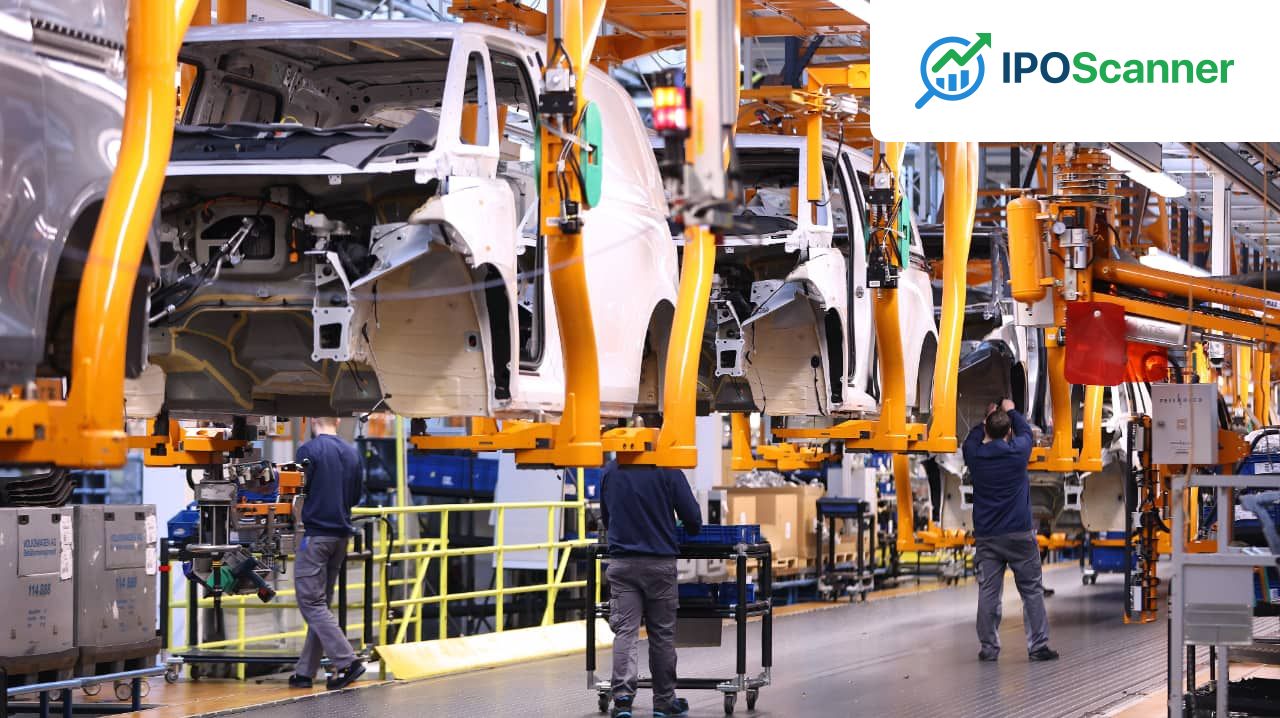
German Auto Industry Seeks De-Escalation in US-EU Tariff Dispute
EU-US Trade Dispute Escalates as Trump Announces Auto Tariffs
The automotive industry in Germany has urged the US and European Union to de-escalate the tariff dispute, calling for immediate talks between the two sides. The plea comes after President Donald Trump announced that he would increase auto tariffs on the EU to 25% next week, citing the EU's failure to fully comply with a trade agreement negotiated with the US.
Trump's decision would apply to cars and trucks from the EU, but not to those built in US facilities. "It is fully understood and agreed that, if they produce Cars and Trucks in U.S.A. Plants, there will be NO TARIFF," he stated in a social media post.
The new duties could have a significant impact on the German and European automotive industries, which are already facing challenging times. The costs of the additional tariffs would be enormous, and would likely also affect consumers in the US, according to Hildegard Müller, the head of lobby group VDA.
Read also: Treasury Yields Experience Largest Increase in Two Weeks Following Release of Labor Market Data
| Tariff Comparison | EU | US |
|---|---|---|
| Current Auto Tariff | 10% | 2.5% |
| Proposed Auto Tariff | 25% | 2.5% |
The US-EU trade agreement has been a contentious issue, with the EU implementing its commitments in line with standard legislative practice and keeping the US administration fully informed. The European Commission will seek clarity from the US and keep its options open to protect EU interests.
The decision by Trump injects fresh volatility into the auto industry, which is still adapting to the US president's whipsawing trade policies from last year. Several major European automakers have assembly plants in the US, including Volkswagen AG, Mercedes-Benz Group AG, and BMW AG. Stellantis NV also has a significant US footprint.
Jennifer Safavian, president of Autos Drive America, a trade association representing automakers based outside the US, urged the administration and the EU to uphold the agreement made last year and work together to find a swift resolution. US shares of Stellantis fell 2.1% in New York on Friday, while US depositary receipts of VW also slid.
Read also: US-Iran Tensions Spark Uptick in Oil Prices Amid Global Market Decline
Higher tariffs risk additional pressure on German automakers such as BMW and Mercedes-Benz, which still import other models from Europe. BMW told investors in March that it sees little room for improving carmaking profitability this year due to tariffs and intensifying competition in China.
The ratcheting up of tariffs on Europe comes as officials from the US, Mexico, and Canada prepare to review their trade agreement this summer. Automakers have been pushing the administration for more tariff relief, and some foreign manufacturers who chose not to comply with content rules in the pact Trump signed in 2020 have faced double-digit duties on some models.
Bernd Lange, who chairs the European Parliament's trade committee, said that Trump's behavior was unacceptable and that the EU is honoring the deal. The US has repeatedly breached the agreement, he claimed, referring to US tariffs on steel and aluminum imports. The EU is drafting legislation to ratify the trade deal with the US and hopes to finalize it in June.
Investor Takeaway
The potential for increased tariffs on EU automobiles may negatively impact the German auto industry and European economy.
More in Economy

Treasury Yields Experience Largest Increase in Two Weeks Following Release of Labor Market Data

US-Iran Tensions Spark Uptick in Oil Prices Amid Global Market Decline

MoSPI Releases Uniform Norms for DDP Estimates with 2022-23 Base Year

