Fuel Shortage and Rising Costs Pose Threat to Medical Supplies Production
Global Conflict Impacts India's Medical Manufacturing Sector
Wadi Surgicals Pvt Ltd, a major producer of medical gloves in Andhra Pradesh's Visakhapatnam, has halted manufacturing due to a suspension of LPG supplies by Hindustan Petroleum Corporation Ltd (HPCL). The plant, which requires approximately 4,500 kg of LPG per day, is the latest victim of the US-Israel war on Iran, which has disrupted oil and gas supplies.
The disruption follows a strike on the Ruwais Refinery in the United Arab Emirates, one of the world's largest refining complexes, triggering volatility across the energy supply chain. The escalating conflict in West Asia has crippled energy markets, with the near-closure of the Strait of Hormuz choking off vital crude and gas supplies.
Raw Material Prices and Energy Shortages
Read also: Treasury Yields Experience Largest Increase in Two Weeks Following Release of Labor Market Data
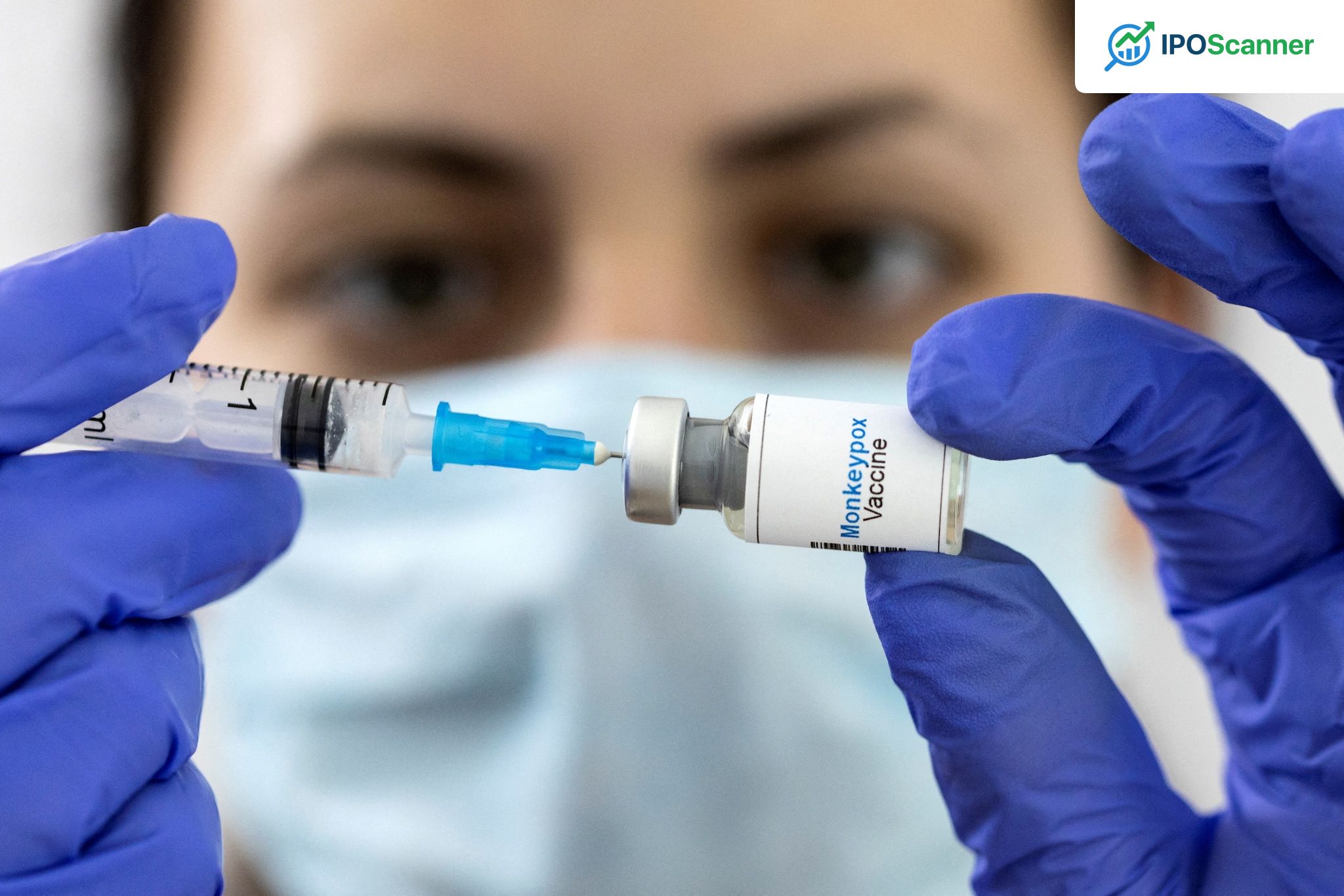
Spiking raw material prices and energy shortages have hit the production of essential medical supplies, including gloves, syringes, and catheters. The conflict in West Asia has led to a surge in critical input prices, with medical-grade plastics experiencing a 50 percent increase. Medical-grade polymers, accounting for over 86 percent of hospital consumables, have been impacted by domestic price hikes on essential raw materials like polypropylene and polyethylene.
Margin Squeeze
The combination of raw material inflation and energy cost escalation is squeezing margins across the medical manufacturing sector, particularly for low-margin essentials like syringes and catheters. Companies are holding prices for now by absorbing the shock, but this may not be sustainable.
Tax and Working Capital Concerns
Read also: US-Iran Tensions Spark Uptick in Oil Prices Amid Global Market Decline
The financial strain is further amplified by a persistent inverted duty structure, where manufacturers pay 18 percent goods and services tax on inputs but charge only 5 percent GST on finished medical devices. With working capital under pressure, the Association of Indian Medical Device Industry (AiMeD) has urged the government to expedite GST refunds, warning of potential production disruptions and downstream shortages in hospitals.
Investor Takeaway
Investors should be cautious of potential disruptions in medical supplies production due to global energy supply chain volatility.
More in Economy

Treasury Yields Experience Largest Increase in Two Weeks Following Release of Labor Market Data

US-Iran Tensions Spark Uptick in Oil Prices Amid Global Market Decline

MoSPI Releases Uniform Norms for DDP Estimates with 2022-23 Base Year

