Fuel Price Hikes Spark Fresh Concerns for RBI Monetary Policy
Fuel Prices Surge in India, Raising Inflation Risks
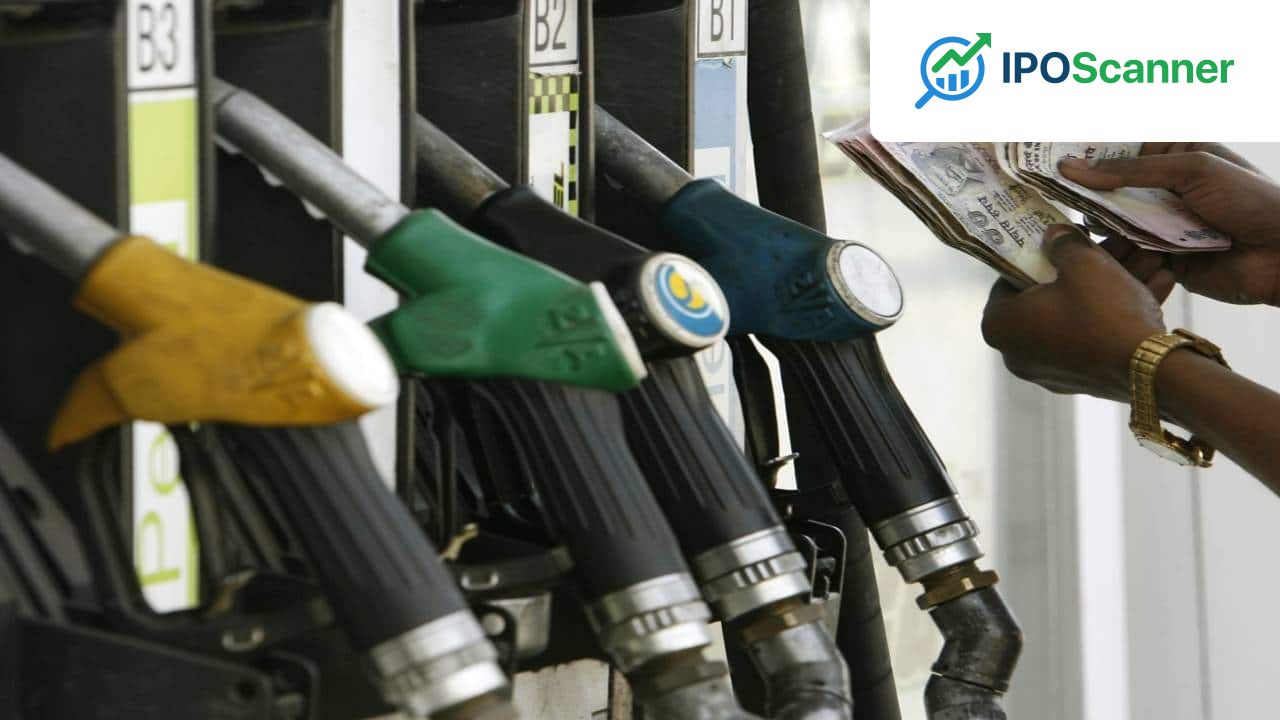
On May 25, oil market companies raised the prices of petrol and diesel for the fourth time in 10 days, resulting in a cumulative rise of approximately Rs 8 a litre across major cities. In Delhi, the price of petrol rose by Rs 2.61 a litre to Rs 102.12, exceeding the Rs 100-mark, while the pump price of diesel increased by Rs 2.71 to Rs 95.20 a litre.
This latest price hike poses a significant challenge to the RBI's Monetary Policy Committee (MPC), which is scheduled to meet in early June. The central bank had recently seen a decline in inflation, leading to optimism about potential softer policy measures. However, the current surge in fuel prices and inflation arithmetic threatens to undermine this optimism.
The Multiplier Effect of Fuel Inflation
India's reliance on imported energy, meeting over 85 percent of its energy needs, makes fuel inflation a significant concern. Petrol prices have a direct impact on consumers, who see the price every day, while diesel prices affect the economy, powering supply chains. The transportation sector, which accounts for nearly 65-70 percent of India's freight movement, is heavily dependent on road transport. Rising diesel prices have a ripple effect, influencing food, manufacturing, construction, and retail sectors.
| Petrol & Diesel Rates Yesterday | | --- | --- | | Petrol Rate in Mumbai Yesterday | Diesel Rate in Mumbai Yesterday | | Sunday, 24th May, 2026 | Sunday, 24th May, 2026 |
The indirect influence of fuel prices on inflation is substantial, despite its relatively modest direct weight in the consumer price index. Every Rs 10 increase in crude oil prices has historically added pressure on India's inflation trajectory and worsened the current account deficit. If Brent crude continues to hold above the $100-a-barrel mark, as it has for the past three months, inflation projections may need upward revision.
The RBI is already grappling with fragile growth conditions, including uneven consumption, sluggish rural demand recovery, and private investment that is yet to gain momentum. Under normal circumstances, moderating inflation would have strengthened the case for eventual rate relief. However, if the RBI signals a softer stance too early and inflation resurges sharply, it risks losing policy credibility.
Read also: RBI Policy Preview: A Cautionary Wait Ahead
Investor Takeaway
Higher fuel prices may impact RBI's monetary policy decisions, potentially leading to increased inflation risks.
More in Economy

FirstClub Secures $55 Million in Funding from Peak XV, Sofina, and Other Investors 9 Months After $22 Million Series A Round
RBI Policy Preview: A Cautionary Wait Ahead

RBI Rate Cuts May Come to an End Amid Rising Oil Prices and Weakening Rupee: Expert Analysis