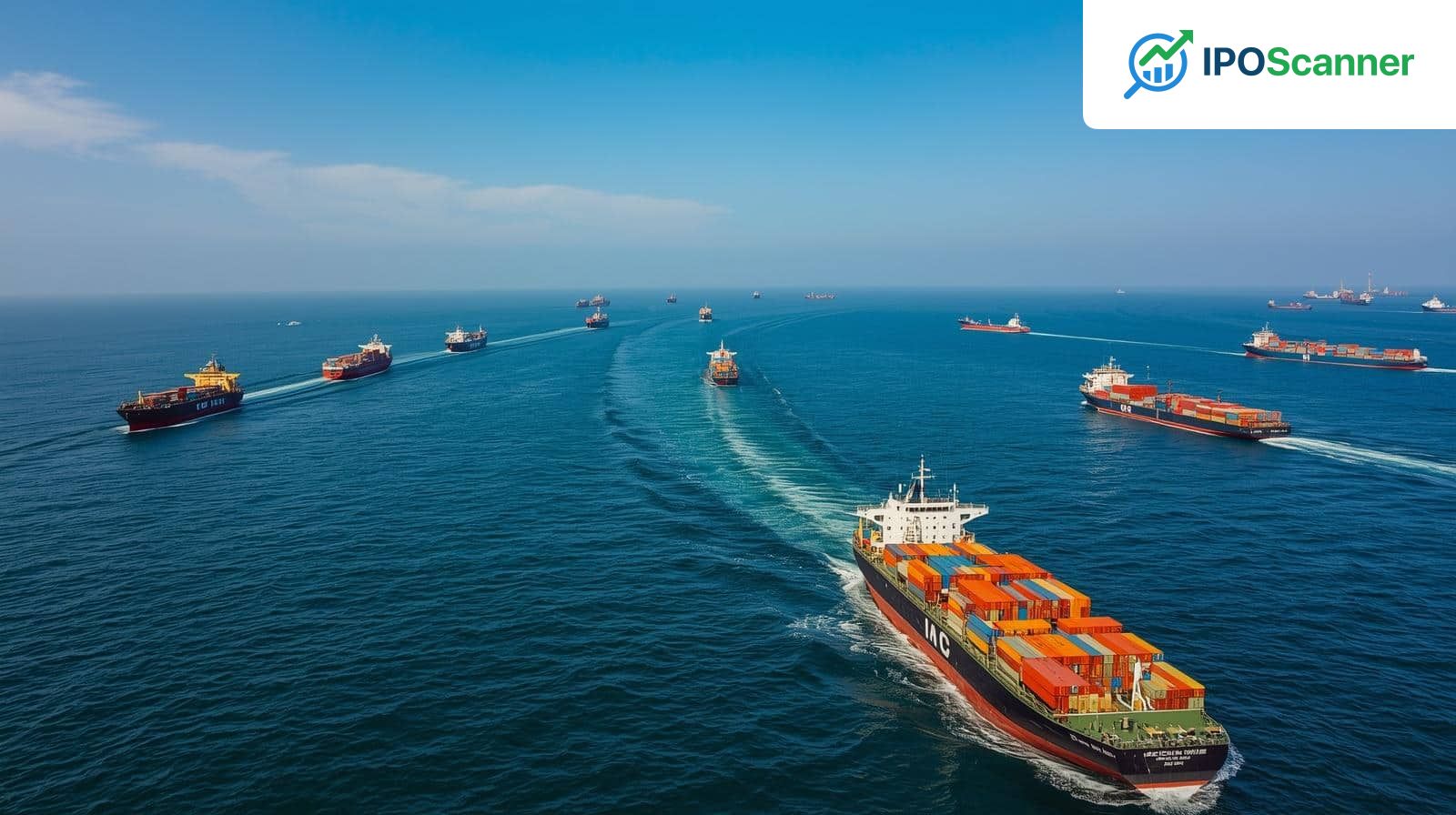
Four Asian Economies Most Vulnerable to Potential Qatar LNG Supply Disruptions
Qatar LNG Disruption: Global Supply Shock with Lasting Impact
Key Figures:
- 17%: Reduction in Qatar's LNG export capacity due to strike
- 12.8 million tonnes per annum (mtpa): Estimated output that could remain offline
- 17 billion cubic metres of gas per year: Equivalent reduction in supply
- 3-5 years: Estimated duration of supply shock
Impact on Global LNG Market
Read also: Treasury Yields Experience Largest Increase in Two Weeks Following Release of Labor Market Data
Qatar, one of the world's most reliable LNG suppliers, has experienced a significant disruption in its export capacity. This has created a supply shock that could last for several years, affecting not only direct buyers but also the broader global market.
Countries Most Exposed to Disruption
The countries most vulnerable to the disruption are those with large direct imports from Qatar. According to various sources, including the U.S. Energy Information Administration and the World Bank, the top-tier exposure by volume is:
- China: 14.40 Mt in 2024
- India: 11.30 Mt in 2024
- South Korea: 10.30 Mt in 2024
- Pakistan: 4.50 Mt in 2024
- Bangladesh: 3.20 Mt in 2024
Read also: US-Iran Tensions Spark Uptick in Oil Prices Amid Global Market Decline
Impact on Regional Economies
The disruption is expected to have a significant impact on regional economies, particularly in South Asia. Countries with high dependence on Qatari LNG, such as Pakistan and Bangladesh, are likely to experience the most severe effects, including supply gaps, rationing, and economic strain.
Long-term Consequences
The duration of the supply shock is expected to be longer than initially anticipated, with repairs taking 3-5 years to complete. This will have a lasting impact on global LNG trade flows, pricing, and energy security strategies.
Countries with Hidden Vulnerability
While direct imports from Qatar may appear modest, several countries are exposed through long-term contracts, including:
- Japan: 6.20 Mt in 2024
- South Korea: 5.50 Mt in 2024
- China: 4.50 Mt in 2024
These countries may not show up in trade tables as top importers, but their contractual dependence is high, making them vulnerable to the disruption.
Conclusion
The Qatar LNG disruption is a significant supply shock that will have far-reaching consequences for the global LNG market. The impact will be felt across regions, with countries with high dependence on Qatari LNG experiencing the most severe effects. The duration of the supply shock is expected to be longer than initially anticipated, requiring a reassessment of global energy security strategies.
Investor Takeaway
Investors should be prepared for potential long-term disruptions in global LNG supplies and associated price increases.
More in Economy

Treasury Yields Experience Largest Increase in Two Weeks Following Release of Labor Market Data

US-Iran Tensions Spark Uptick in Oil Prices Amid Global Market Decline

MoSPI Releases Uniform Norms for DDP Estimates with 2022-23 Base Year

