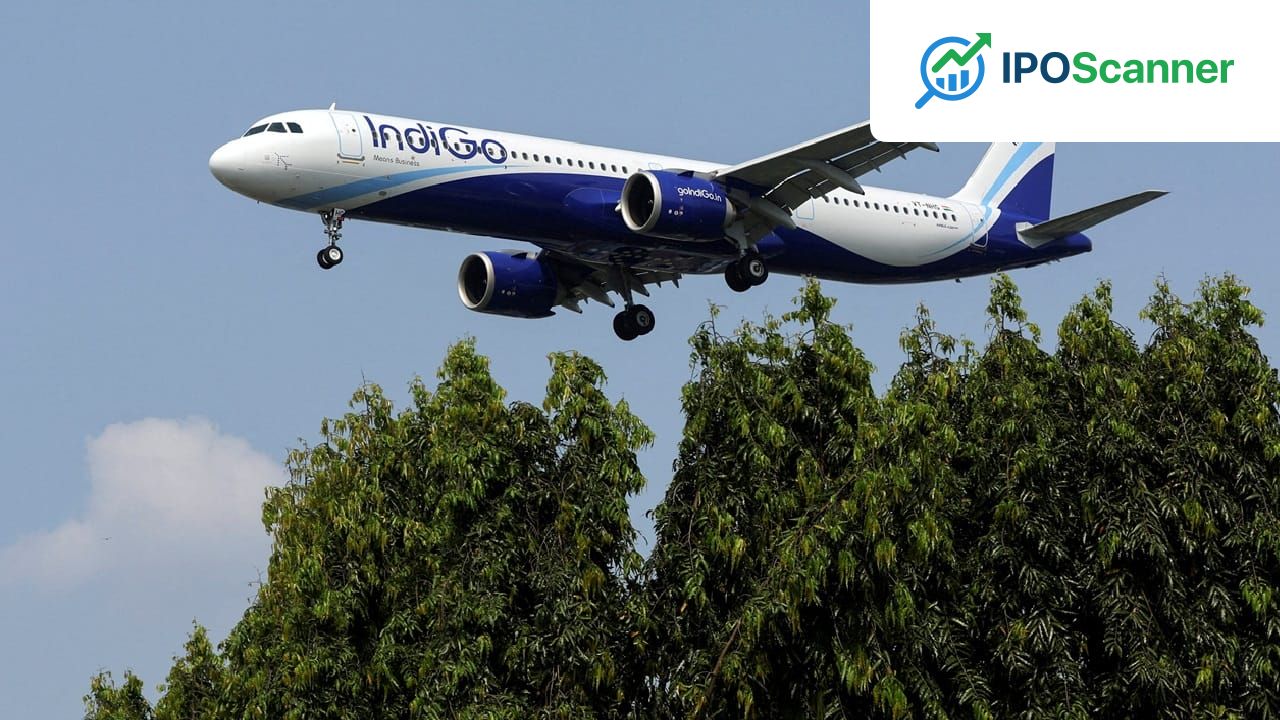
Foreign Airlines Gain Ground in India Amid Geopolitical Disruptions to Domestic Carriers
Foreign Airlines Extend Lead in India's International Passenger Market
In the March quarter of FY26, foreign airlines widened their dominance in India's international passenger market, as Indian carriers struggled to maintain their ground amid operational disruptions and weaker traffic growth.
According to the Directorate General of Civil Aviation (DGCA), Indian airlines carried approximately 8.09 million international passengers during the quarter, accounting for 42.4 percent of the international traffic. This represents a decline of around one percent from the same period last year. In contrast, foreign airlines expanded their share by 3.9 percent to 57.6 percent, ferrying 11.01 million passengers on routes connecting India.
| Indian Airlines | Foreign Airlines | |
|---|---|---|
| International Passengers (Qtr) | 8.09 million | 11.01 million |
| Market Share (Qtr) | 42.4% | 57.6% |
| International Passengers (Qtr FY25) | 8.96 million | 10.38 million |
Read also: Treasury Yields Experience Largest Increase in Two Weeks Following Release of Labor Market Data
The numbers underscore the challenges facing Indian airlines, which are seeking to increase their presence on international routes despite aggressive fleet expansion plans and network growth strategies. The quarter was particularly difficult for domestic carriers due to a combination of geopolitical and operational challenges that affected international travel demand and flight schedules across several markets.
The Iran war emerged as the biggest disruption, leading to airspace restrictions and operational challenges across West Asia, one of India's most important international aviation markets. The region accounts for a significant portion of international traffic carried by Indian airlines, particularly on routes connecting India with the Gulf. Indian airlines also continued to face operational challenges arising from Pakistani airspace restrictions, which have been in place for over a year following a brief military clash between the two countries in the summer of 2025.
These disruptions have increased operating costs and flight times for Indian carriers, affecting their competitiveness on certain routes. The impact was visible in traffic trends, with Indian carriers seeing passenger traffic decline by nearly 10 percent year-on-year, while foreign airlines recorded growth of more than 6 percent.
Industry executives attribute the disproportionate impact on Indian carriers to their growing exposure to international markets, particularly in the Gulf region. Air India and IndiGo, India's two largest international operators, have both been pursuing aggressive overseas expansion plans. Air India is in the middle of a multi-year transformation programme and has placed record aircraft orders, while IndiGo is expanding its long-haul ambitions through new aircraft inductions and international route additions.
Read also: US-Iran Tensions Spark Uptick in Oil Prices Amid Global Market Decline
Foreign carriers continue to enjoy a significant advantage through their global hub networks and established international connectivity. Airlines based in the Gulf, such as Emirates, Qatar Airways, and Etihad Airways, remain among the largest overseas operators serving India, channeling large volumes of traffic through their hub airports and maintaining a strong presence in the Indian market.
The latest DGCA data suggests that despite the growing ambitions of Indian carriers, overseas airlines continue to command a majority share of passengers travelling to and from India. Industry executives expect market dynamics to remain volatile in the near term, as airlines navigate geopolitical uncertainties, fluctuating travel demand, and operational disruptions across key international corridors. For Indian carriers, the latest market share data serves as a reminder that expanding internationally involves more than adding aircraft and routes; they must also contend with competition from well-established foreign airlines and external disruptions beyond their control.
Investor Takeaway
Indian airlines may face challenges in increasing their presence on international routes due to geopolitical disruptions.
More in Economy

Treasury Yields Experience Largest Increase in Two Weeks Following Release of Labor Market Data

US-Iran Tensions Spark Uptick in Oil Prices Amid Global Market Decline

MoSPI Releases Uniform Norms for DDP Estimates with 2022-23 Base Year

