Finance Minister Urges Banks to Develop Non-Standardized Credit Products and Align Repayment Terms with Business Cycles
Union Finance Minister Urges Banks to Design Customized Loan Products for Businesses
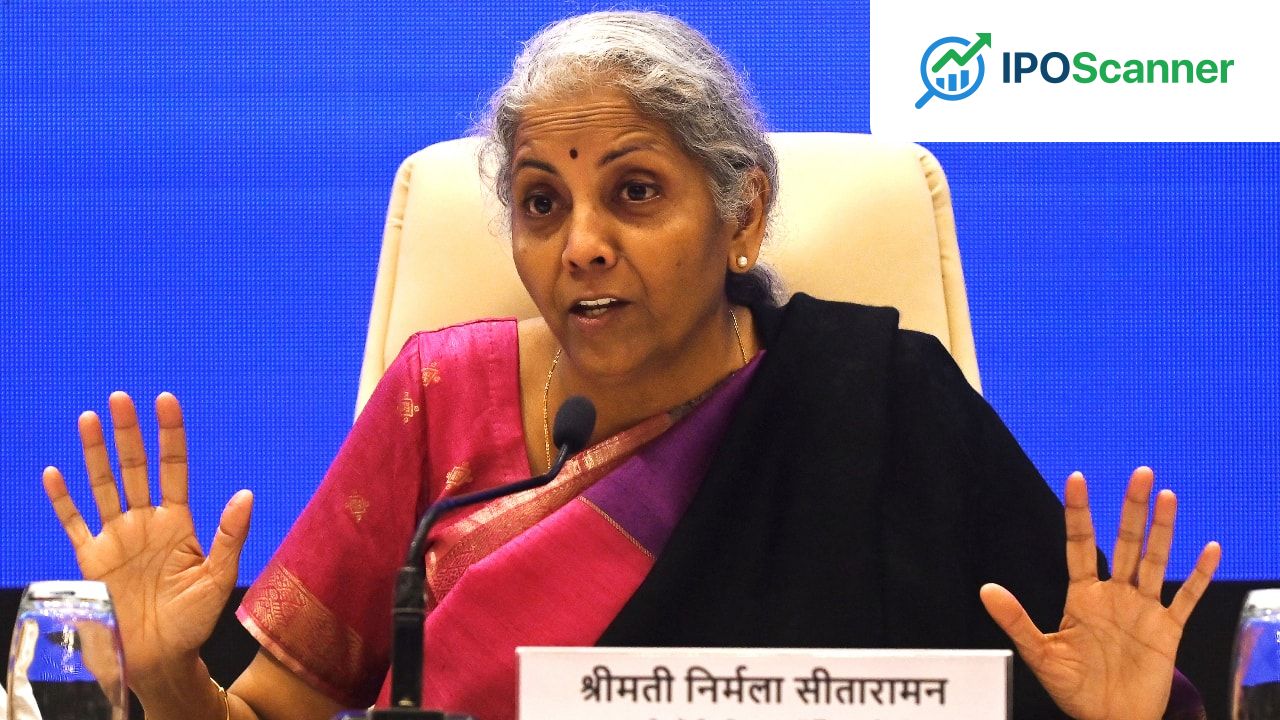
Union Finance Minister Nirmala Sitharaman has called on banks to move beyond standard loan products and design offerings that cater to the unique needs of individual businesses. Speaking at the 37th foundation event of the Small Industries Development Bank of India (Sidbi), Sitharaman emphasized the importance of creating loan products that align with the specific business cycles of enterprises.
The current practice of providing loans with a standard monthly repayment structure may not be suitable for all businesses, Sitharaman pointed out. For instance, a farmer-linked enterprise may not earn income every month, while a resort's earnings may be uneven throughout the year. Similarly, a garment exporter may have to wait for payment after shipment, and a small auto-component supplier may need to wait for invoice clearance.
Sidbi, a Focused Institution for Small Industries, Takes the Lead
Read also: Treasury Yields Experience Largest Increase in Two Weeks Following Release of Labor Market Data
To address these challenges, Sitharaman urged Sidbi, a government institution dedicated to supporting small industries, to take the lead in designing customized loan products. She noted that Sidbi's role is crucial in helping small industries access credit that meets their unique needs.
| Industry | Repayment Structure |
|---|---|
| Agri Processing | Linked to Harvest Cycles |
| Hospitality/Tourism | Linked to Earnings Cycle |
| Textile/Garment | Linked to Export Cycles |
Sitharaman provided examples of how credit terms can be tailored to specific industries in Maharashtra. For instance, agri processing enterprises in Nashik, Satara, or Sangli can have repayments linked to harvest cycles, while grape processors, turmeric units, or pulses units can have seasonal repayments and off-season flexibility. Similarly, hospitality or tourism-related businesses in Mahabaleshwar, Matheran, or Lonavala can have repayments linked to their earnings cycle, and textile and garment units in Ichalkaranji or Solapur can have credit that understands export cycles.
Supporting MSMEs: A Key to Viksit Bharat
Read also: US-Iran Tensions Spark Uptick in Oil Prices Amid Global Market Decline
Sitharaman emphasized the importance of supporting Micro, Small, and Medium Enterprises (MSMEs) in achieving economic growth. She noted that 32 crore Indians are employed in MSMEs, and that supporting these enterprises can have a far-reaching impact on the economy. If MSME credit is provided effectively, it can help create a strong middle class, which is essential for achieving Viksit Bharat, a goal of the government to create a developed and inclusive India.
Sidbi has been working to expand its reach and support MSMEs. The bank has already expanded its branches to 166 from 96 two years ago and aims to tie up with 500 industry associations in the next two years from the present 105. The government has also infused Rs 3,000 crore of the Rs 5,000 crore in capital announced earlier this year.
Investor Takeaway
Banks may develop non-standardized credit products to cater to unique business needs.
More in Economy

Treasury Yields Experience Largest Increase in Two Weeks Following Release of Labor Market Data

US-Iran Tensions Spark Uptick in Oil Prices Amid Global Market Decline

MoSPI Releases Uniform Norms for DDP Estimates with 2022-23 Base Year

