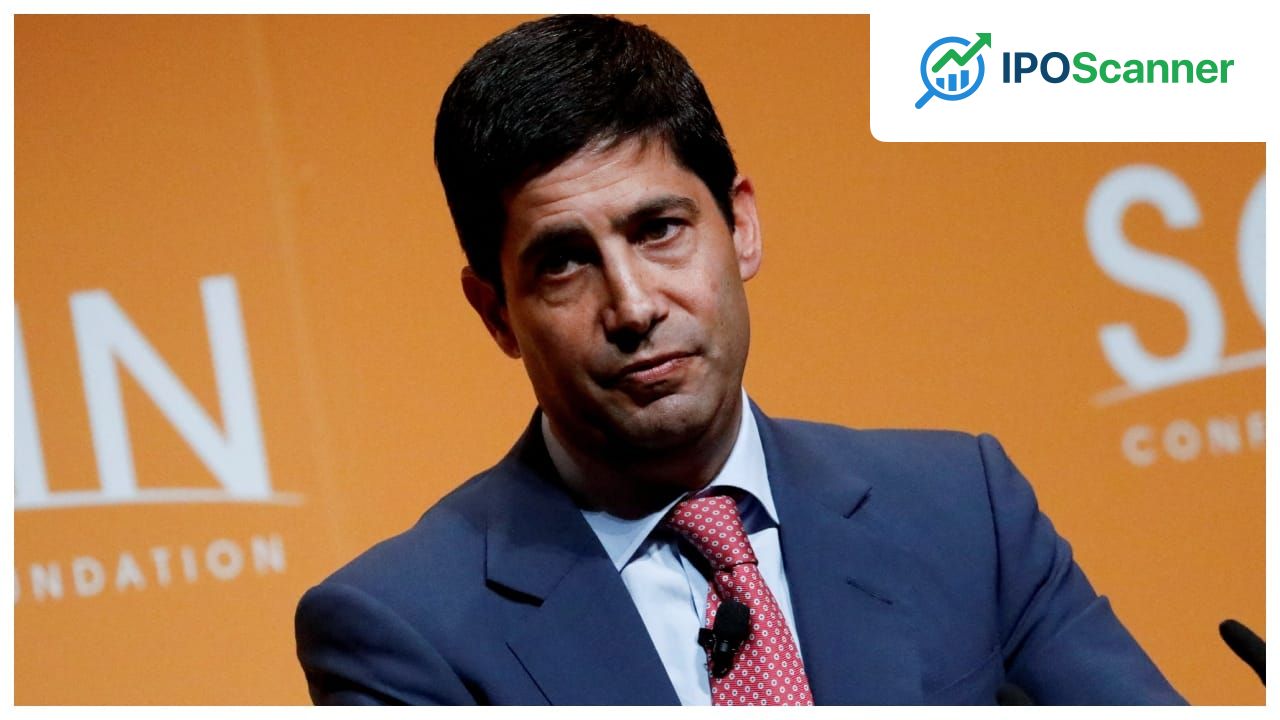
Fed Nominee Warsh Faces Long Road to Reducing Central Bank's Balance Sheet
Federal Reserve Balance Sheet Reduction: A Complex Task Ahead
Key Figures:
- $6.6 trillion: Current size of the Federal Reserve's balance sheet
- $3 trillion: Amount of cash reserves parked at the Fed by banks
- 4 years: Length of a typical term as Federal Reserve Chair
- 5 years: Estimated time needed to implement some of the proposed reforms
Background
Read also: Treasury Yields Experience Largest Increase in Two Weeks Following Release of Labor Market Data
Federal Reserve Chair nominee Kevin Warsh has expressed a desire to significantly shrink the US central bank's $6.6 trillion balance sheet. However, a top financial economist, Darrell Duffie, argues that this goal will require more than one term and significant reforms to the payment system and bank liquidity requirements.
Proposed Reforms
Duffie, a professor at the Stanford School of Business and longtime adviser to the Fed, has outlined a set of four proposals to reduce bank demand for cash reserves held in accounts at the Fed. These proposals include:
- Temporary open market operations: The New York Fed could lean more heavily on this tool to smooth through fluctuations in reserve demand, which could be implemented in mere weeks.
- Changes to liquidity regulations and supervisory practices: These changes would likely take months to sort out and require clear communication to supervisors to avoid penalizing banks for using facilities like the Fed's discount window.
- Lower rate on reserve balances: The Fed could pay a lower rate on reserve balances beyond a specific target or quota, which could be implemented rather quickly but would require years to reach a broad agreement on its design and communication.
- Liquidity-saving mechanisms in the payment system: The Fed could follow the example of other central banks, like the Reserve Bank of New Zealand, and introduce liquidity-saving mechanisms in its payment system, which would require changes at the Fed, commercial banks, and could take as long as 5 years.
Read also: US-Iran Tensions Spark Uptick in Oil Prices Amid Global Market Decline
Implementation Timeline
Duffie estimates that some of the reforms could be implemented relatively quickly, while others would require years of effort. The effort to reduce the Fed's balance sheet would likely extend beyond a single term as chair, implying a multi-year effort.
Investor Takeaway
Investors should be aware that reducing the central bank's balance sheet will be a long-term effort.
More in Economy

Treasury Yields Experience Largest Increase in Two Weeks Following Release of Labor Market Data

US-Iran Tensions Spark Uptick in Oil Prices Amid Global Market Decline

MoSPI Releases Uniform Norms for DDP Estimates with 2022-23 Base Year

