EV Battery Subscription Model Faces Slow Adoption Amid Widespread Preference for Vehicle Ownership
Battery-as-a-Service (BaaS) Adoption Stalls in India
Overview
After 18 months of introduction, Battery-as-a-Service (BaaS), a financing innovation aimed at accelerating electric vehicle (EV) adoption, has seen limited adoption, with only 2-3% of buyers signing up. This model allows customers to purchase an EV without owning the battery, significantly reducing the initial outlay.
Low Adoption Despite Cost Advantage
Read also: Treasury Yields Experience Largest Increase in Two Weeks Following Release of Labor Market Data
Despite offering a cost advantage, BaaS has not translated into widespread adoption. The battery, which accounts for 35-40% of an EV's cost, is excluded from the purchase price, and customers pay a subscription fee based on usage (Rs/km). This structure brings EV prices closer to petrol-powered cars, making them more attractive to buyers. However, industry data and executives say BaaS remains a niche offering.
Early Movers and Market Response
JSW MG Motor India pioneered the BaaS concept in India with the launch of the MG Windsor EV, priced at Rs 9.99 lakh without the battery. The aggressive pricing made Windsor one of India's top-selling EVs, accounting for nearly 25% of EV sales in 2025. Its success prompted rivals to introduce similar schemes.
Adoption Tepid
Read also: US-Iran Tensions Spark Uptick in Oil Prices Amid Global Market Decline
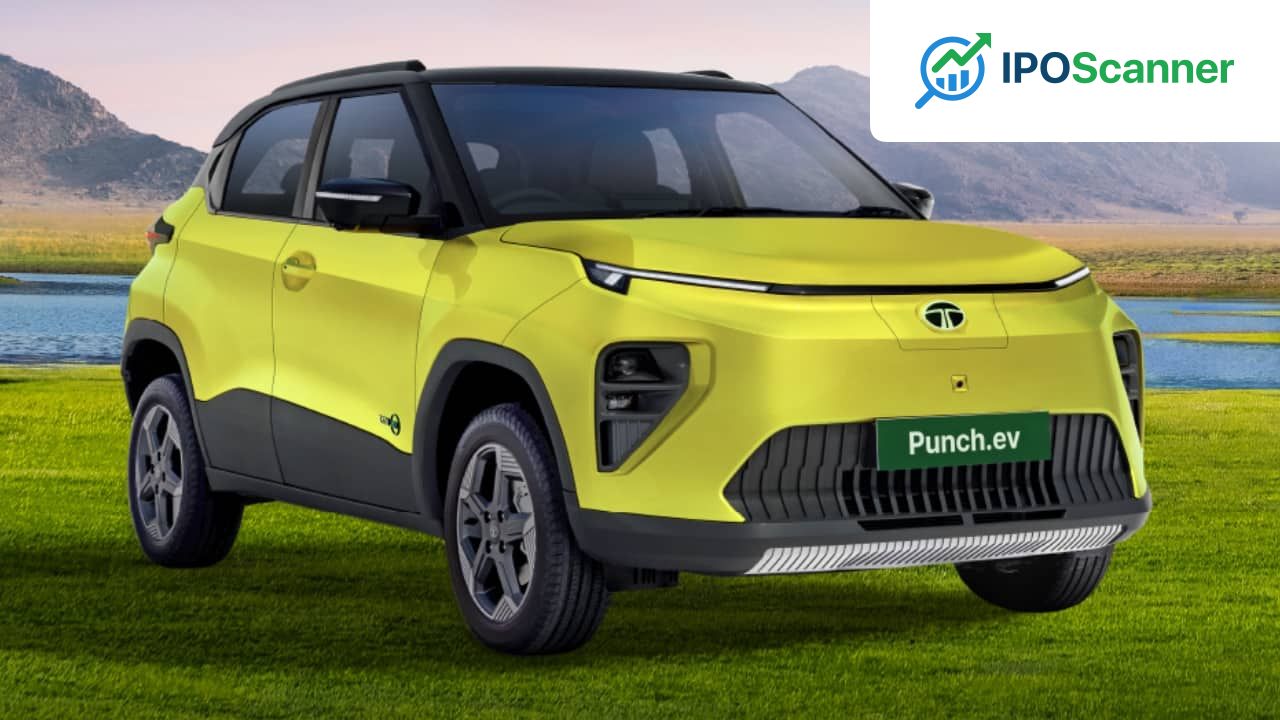
Despite the expanded availability of BaaS, consumer uptake remains subdued. Maruti Suzuki entered the EV segment in February 2026 with the eVitara, priced at Rs 10.99 lakh (without battery) and Rs 15.99 lakh (with battery). Tata Motors introduced BaaS for the Punch EV, offering it at Rs 6.49 lakh versus Rs 9.69 lakh with battery.
A Financing Tool, Not a Service
Industry executives increasingly view BaaS as a financial structuring option rather than a core ownership model. Tata Motors offers BaaS primarily for customer inclusivity and comparison and doesn't expect it to dominate sales. In contrast, JSW MG Motor India has seen stronger traction, with 12-15% of its EV sales coming through the BaaS option.
The Road Ahead
While BaaS has succeeded in reshaping price perception and drawing attention to EV affordability, its real-world adoption remains limited. For now, Indian consumers appear to prefer full ownership over subscription-based models, even if it means paying more upfront. As EV adoption deepens and financing innovations evolve, BaaS could still find its footing, especially among cost-conscious and high-usage segments.
Investor Takeaway
Investors should be cautious about the slow adoption of EV Battery Subscription Model.
More in Market

Treasury Yields Experience Largest Increase in Two Weeks Following Release of Labor Market Data

US-Iran Tensions Spark Uptick in Oil Prices Amid Global Market Decline

Indian Stocks to Watch: BHEL, Agarwal Industrial, JBM Auto, Rajesh Exports, Indian Energy Exchange, Lenskart Solutions in Market Focus on June 4.