Europe's Largest Nuclear Plant Hit by Drone Strike, Raising Concerns Over Safety and Security
Tensions Rise at Europe's Largest Nuclear Facility
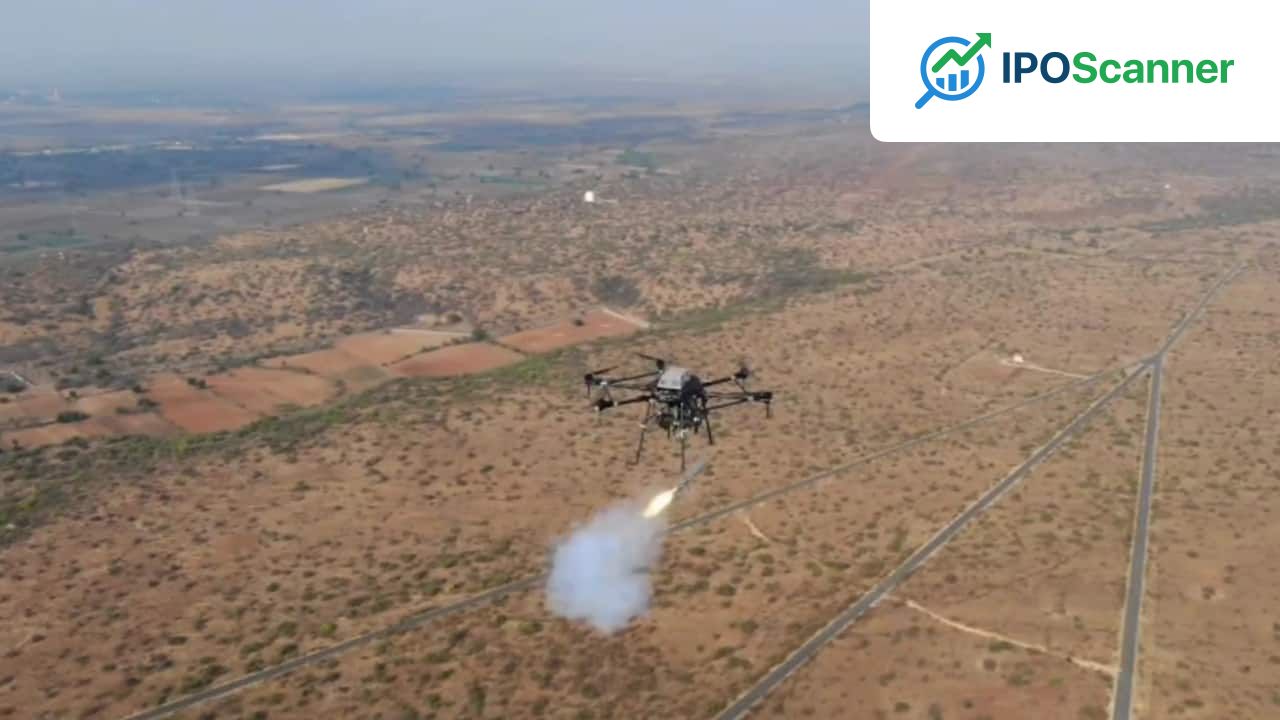
A drone strike damaged part of a building at the Russian-controlled Zaporizhzhia Nuclear Power Plant, Europe's largest nuclear facility, prompting fresh warnings from the International Atomic Energy Agency (IAEA) over the risks of military activity around nuclear sites.
The attack occurred on May 30, according to Russian officials, who stated that it left a hole in the wall of the turbine hall of Power Unit 6. Ukraine denied any involvement and called the accusation propaganda. Rosatom, Russia's state nuclear company, described the strike as a deliberate attack by a Ukrainian drone. Rosatom chief Alexei Likhachev said the explosion damaged the exterior wall of the turbine building but did not affect critical reactor systems or safety equipment.
The IAEA confirmed that its team stationed at the plant had been informed of a drone impact on the turbine building and had requested access to inspect the affected area. Director General Rafael Grossi expressed serious concern, warning that any attack on or near a nuclear facility carries major safety risks and should never occur. The agency stated that radiation levels remained normal and there was no immediate threat to nuclear safety.
Read also: Treasury Yields Experience Largest Increase in Two Weeks Following Release of Labor Market Data
Ukraine's military rejected Russia's claims, stating that Ukrainian forces operate in accordance with international humanitarian law and had not targeted the nuclear plant. Kyiv said there was no military activity near the site that would support Moscow's accusations. The Zaporizhzhia plant, located in southeastern Ukraine, has been under Russian control since March 2022 and remains close to the front line. All six reactors are in cold shutdown, but the facility continues to be monitored by IAEA personnel because of ongoing security concerns.
| Incident | Date | Affected Area |
|---|---|---|
| Drone strike | May 30, 2024 | Power Unit 6, turbine hall |
The latest incident adds to a series of drone-related events reported at the site over the past two years. The IAEA has repeatedly warned that attacks, shelling, and military operations around the plant increase the risk of a nuclear accident, even when critical systems are not directly damaged. As fighting intensifies across the region, international pressure is growing on both sides to avoid actions that could endanger one of the world's most sensitive nuclear facilities.
Investor Takeaway
Investors should be cautious of potential disruptions to the energy sector due to increased military activity around nuclear sites.
More in Economy

Treasury Yields Experience Largest Increase in Two Weeks Following Release of Labor Market Data

US-Iran Tensions Spark Uptick in Oil Prices Amid Global Market Decline

MoSPI Releases Uniform Norms for DDP Estimates with 2022-23 Base Year

