Enterprise Adoption of AI Tokens to Drive Budgeting Strategies by 2024: Expert Insights
Enterprise Budgeting for AI to Focus on Token Consumption and Optimisation
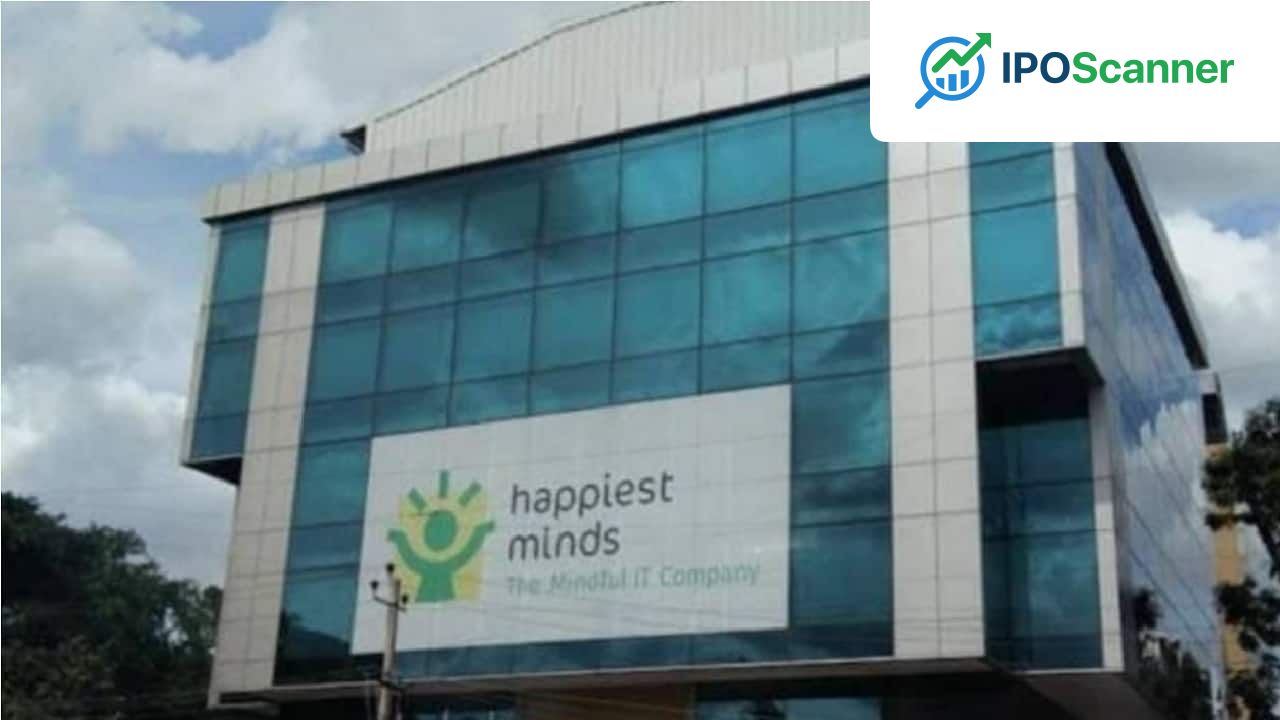
Happiest Minds Technologies, a Bengaluru-headquartered IT services firm, has revealed that enterprise budgeting for artificial intelligence (AI) will increasingly revolve around token consumption and optimisation over the next year. This shift comes as companies begin to grasp the real costs of large language model (LLM) usage.
According to executives at Happiest Minds, clients are now starting to understand that AI deployments, particularly around coding assistants and frontier AI models, come with rapidly rising token consumption costs. This has prompted enterprises to seek frameworks for metering and optimisation.
Early Stages of Understanding AI Consumption Economics
Read also: Treasury Yields Experience Largest Increase in Two Weeks Following Release of Labor Market Data
Many enterprises are still in the early stages of understanding AI consumption economics, as several of these tools became commercially stable only in the last six months. However, Happiest Minds' management expects that enterprises will formalise token-level budgeting practices over the next year as AI spending matures.
Token Budgeting to Become a Trend
"A lot of customers are getting there, and I will see this becoming more of a trend and commonplace in the second half of this year, and especially next year when they create budgets for next year, there'll be a token budget," said Joseph Anantharaju, executive vice chairman of Happiest Minds Technologies.
Challenging the Narrative on AI Pricing Pressure
Read also: US-Iran Tensions Spark Uptick in Oil Prices Amid Global Market Decline
Happiest Minds' management also pushed back against the broader narrative that AI-led software development automatically results in pricing pressure for IT services firms. They argue that enterprises are increasingly evaluating software services around efficiencies, outputs, and outcomes rather than conventional billing structures.
Q4FY26 Performance
The Bengaluru-headquartered company reported a steady fourth quarter performance for FY26, with revenue rising 2.8 percent sequentially and 10.9 percent year-on-year to Rs 604 crore. Operating margins expanded 30.7 percent on-year to Rs 106 crore, while the company posted a sharp 79.9 percent jump in quarterly profit after tax at Rs 61 crore.
| Quarter | Revenue (Rs crore) | Operating Margin (%) | Profit After Tax (Rs crore) |
|---|---|---|---|
| Q4FY26 | 604 | 30.7 | 61 |
| Q3FY26 | 588 | 23.5 | 34 |
| Q2FY26 | 544 | 20.5 | 25 |
| Q1FY26 | 491 | 18.2 | 18 |
Guidance for FY27 includes a 12.5 percent growth in revenue and at least 100 basis points of margin expansion driven by better utilisation, AI-led demand, and efficiencies from past investments.
Investor Takeaway
Investors should consider the growing demand for AI token consumption and optimization frameworks in enterprise budgeting.
More in Market

Treasury Yields Experience Largest Increase in Two Weeks Following Release of Labor Market Data

US-Iran Tensions Spark Uptick in Oil Prices Amid Global Market Decline

Indian Stocks to Watch: BHEL, Agarwal Industrial, JBM Auto, Rajesh Exports, Indian Energy Exchange, Lenskart Solutions in Market Focus on June 4.