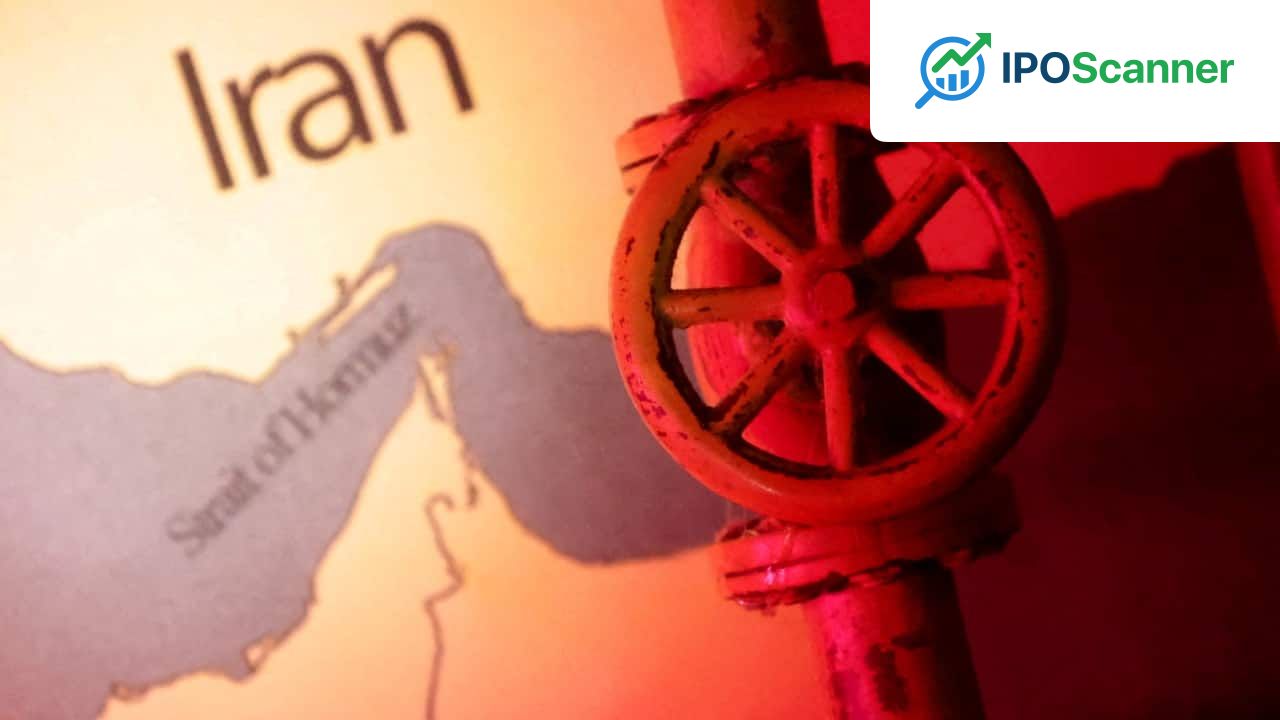
Economist Rakesh Mohan Calls for Comprehensive Policy Response to Iran Crisis
Energy Shock Response Requires Comprehensive Policy Approach
The ongoing energy shock triggered by West Asia tensions necessitates a full-spectrum policy response involving fiscal, monetary, and administrative measures, according to Rakesh Mohan, part-time member of the Prime Minister's Economic Advisory Council (PMEAC).
Scenario Planning and Crisis Response
Detailed scenario planning is critical in the current environment, with policymakers required to prepare for a range of outcomes, including quick resolution and prolonged disruptions. The government, along with the Reserve Bank of India and other institutions, needs to examine multiple possible scenarios to ensure effective response.
Read also: Treasury Yields Experience Largest Increase in Two Weeks Following Release of Labor Market Data
Government Interventions
The government may consider pricing and subsidy interventions, including administered fuel pricing, to absorb shocks. However, such measures must be carefully calibrated to prevent creating fiscal or economic problems in the long term. The Centre has already cut excise duty on petrol and diesel by Rs 10 per litre each to cushion the impact of rising global crude prices.
Inflation, Growth Coordination
Close coordination between monetary and fiscal authorities is essential to address the energy supply shock. Monetary policy alone cannot address such shocks, and the government will need to undertake supply-side management to mitigate the impact of higher energy prices. The key question for monetary policy is how this kind of shock transmits into overall inflation.
Read also: US-Iran Tensions Spark Uptick in Oil Prices Amid Global Market Decline
Impact on Growth
The impact of the energy shock on growth is expected to be marginal in the current financial year 2025-26, assuming disruptions ease quickly. However, if the situation worsens, the government may need to consider targeted support mechanisms, similar to those implemented during the COVID-19 crisis.
Lessons from Covid-19
While comparisons with the Covid-19 crisis should be drawn cautiously, policy responses should focus on vulnerable sections. Similar to the Covid-19 crisis, targeted support mechanisms may be necessary if the situation worsens significantly.
Investor Takeaway
Investors should be prepared for potential long-term fiscal risks due to short-term policy responses.
More in Economy

Treasury Yields Experience Largest Increase in Two Weeks Following Release of Labor Market Data

US-Iran Tensions Spark Uptick in Oil Prices Amid Global Market Decline

MoSPI Releases Uniform Norms for DDP Estimates with 2022-23 Base Year

