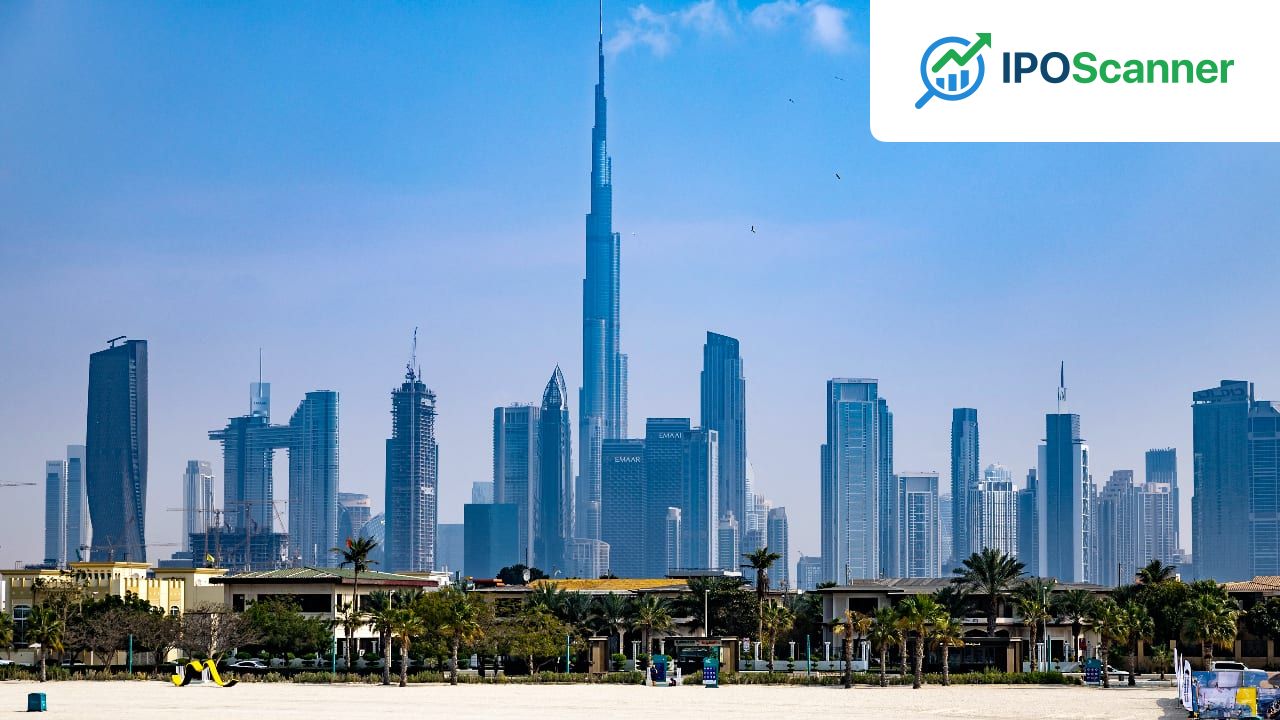
Dubai Realty Market Enters Buyer-Friendly Window Amid Price Stabilization and Discount Offers
Dubai's Property Market Enters a New Era of Balance
Dubai's property market is showing early signs of cooling, with modest price negotiations and softer deal terms creating what brokers describe as the first meaningful entry window for buyers since the post-pandemic boom.
Market analysts have noted that for nearly three years, Dubai's realty market was in a momentum where sellers held all the cards, but currently, a 10 percent to 15 percent negotiation room is being witnessed due to the softening of the market on account of the conflict in the Middle East.
| Market Comparison | Pre-Conflict | Post-Conflict |
|---|---|---|
| Negotiation Room | 0% | 10-15% |
| Market Conditions | Seller's Market | Balanced Market |
Read also: Treasury Yields Experience Largest Increase in Two Weeks Following Release of Labor Market Data
Amid ongoing geopolitical uncertainty, buyers are increasingly viewing current market conditions as an opportunity to enter asset classes that were less accessible a few months ago.
Ritu Kant Ojha, a Dubai-based real estate strategist and CEO of Proact Luxury Real Estate, says that the market is finally exhaling after a prolonged phase of sharp price appreciation and limited negotiation flexibility. The transition from a seller's frenzy to a buyer's fair-fight is a welcome change, according to Ojha.
The recent geopolitical uncertainty in West Asia due to the Iran-Israel-US war has led to temporary caution among investors, but is also opening up opportunities. Sophisticated investors are using the current geopolitical noise as a strategic entry point for assets that were untouchable six months ago.
Dubai continues to remain attractive for global investors seeking steady returns, with rental yields ranging between 7 percent and 9 percent—often tax-free and denominated in a stable currency. The emergence of 10-15 percent price flexibility in certain segments is being seen as a sign of market normalisation rather than distress.
Read also: US-Iran Tensions Spark Uptick in Oil Prices Amid Global Market Decline
Experts say that despite concerns around new supply, long-term fundamentals remain strong, driven by Dubai's future growth plans. The city aims to expand its population to 5.8 million over the coming years, nearly doubling its current base.
These are expats moving their families and capital here for the long term. That kind of population growth creates a structural floor for property values that didn't exist in previous cycles. While a large number of units are expected to be delivered in 2026, some of these timelines could be pushed due to supply chain disruptions linked to ongoing regional tensions.
While short-term volatility may persist due to global and regional developments, market experts believe Dubai's real estate sector is entering a more sustainable growth cycle—marked by steady demand, improving affordability, and stronger end-user participation. For investors, experts say the shift signals not a downturn, but a recalibration.
Investor Takeaway
Buyers may find opportunities in the Dubai realty market due to price stabilization and discount offers.
More in Economy

Treasury Yields Experience Largest Increase in Two Weeks Following Release of Labor Market Data

US-Iran Tensions Spark Uptick in Oil Prices Amid Global Market Decline

MoSPI Releases Uniform Norms for DDP Estimates with 2022-23 Base Year

