Drone Attacks on Russian Ports Pose Risk to Indian Refining Operations: IEA Analysis
Ukraine's Drone Strikes May Disrupt India's Crude-Refining Operations
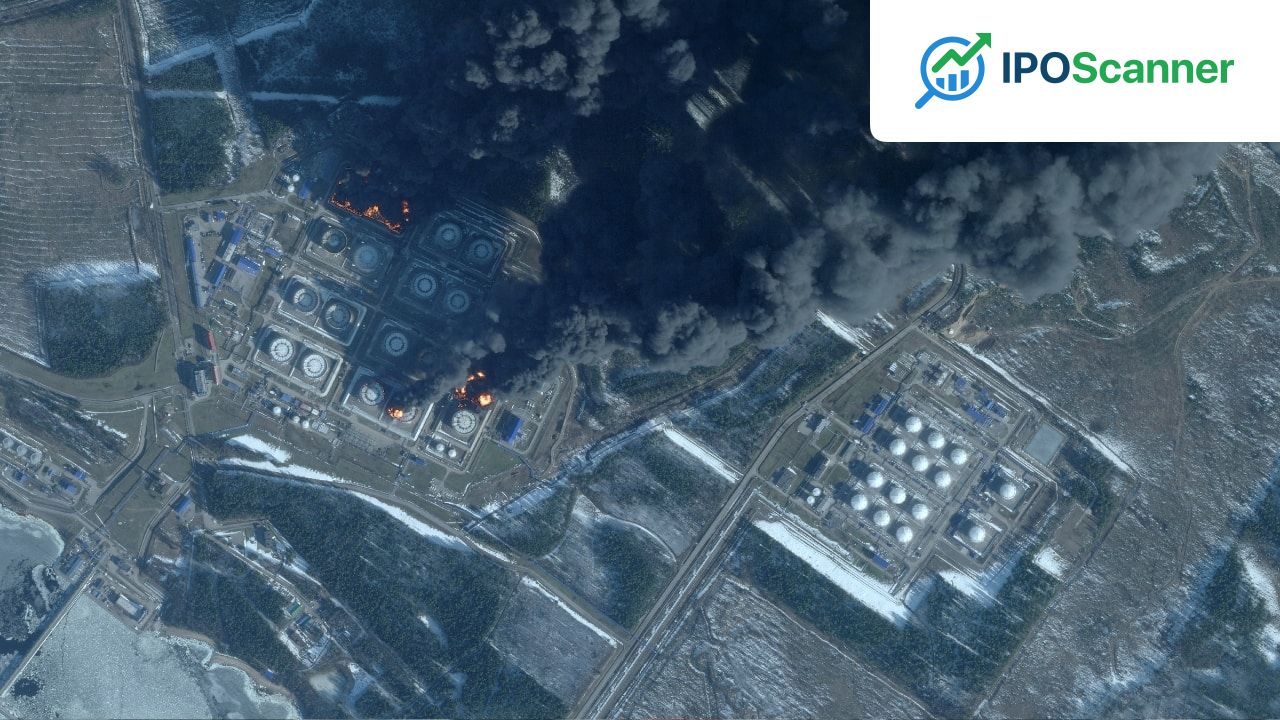
The International Energy Agency (IEA) has warned that Ukraine's drone strikes on key Russian oil-export outlets in the Baltic and Black seas may put India's crude-refining operations at risk in the near future. According to the IEA's monthly report published on Tuesday, 80% of Russian crude imports to India originated from three major ports - Primorsk, Ust-Luga, and Novorossiysk - which have become regular targets of Ukrainian drones.
The IEA report states that any prolonged disruption to Russian port availability could significantly affect Indian refining operations in the coming weeks. This concern is particularly relevant given India's reliance on Russian oil flows. Since the war in the Middle East began, India has faced energy shortages, surging prices, and the prospect of slower economic growth. Russian oil has become a lifeline for India's refiners, with alternative barrels from countries like Iran having limited success due to concerns over suppliers and intermediaries.
India emerged as a key buyer of Russian crude after the Kremlin's invasion of Ukraine, following a ban on Moscow's barrels by western nations. The US President, Donald Trump, had applied tariff and sanctions pressure on India to cut Russian imports, but a waiver was issued allowing New Delhi to resume Russian oil purchases. In March, imports from Russia averaged 1.98 million barrels a day, the highest since June 2023, according to data from intelligence firm Kpler.
Read also: Treasury Yields Experience Largest Increase in Two Weeks Following Release of Labor Market Data
| Month | Russian Oil Imports (Barrels per Day) |
|---|---|
| February 2024 | 1.35 million |
| March 2024 | 1.98 million |
| June 2023 | 1.98 million |
The 30-day waiver expired on April 11, but several Asian nations, including India, are pushing the US Treasury Department to renew it. Meanwhile, Ukraine has been relentlessly striking key Russian energy infrastructure, including ports, pipelines, and crude refineries, to reduce the Kremlin's windfall profits from the global oil rally. The strikes have caused infrastructure damage and disrupted operations at the three major ports, which accounted for nearly 60% of Russia's seaborne crude exports prior to the attacks. While the ports have resumed loadings, the volumes originating from Ust-Luga and Novorossiysk remain limited, according to the IEA and data compiled by Bloomberg.
Investor Takeaway
Investors should be cautious of potential disruptions to Indian refining operations due to Ukrainian drone strikes on Russian ports.
More in Economy

Treasury Yields Experience Largest Increase in Two Weeks Following Release of Labor Market Data

US-Iran Tensions Spark Uptick in Oil Prices Amid Global Market Decline

MoSPI Releases Uniform Norms for DDP Estimates with 2022-23 Base Year

