EconomyMar 10, 2026
Disruption at Strait of Hormuz Threatens to Double India's Energy Delivery Times
India's Energy Imports at Risk: Delivery Times Could Double Amid Geopolitical Tensions
Key Findings:
- India relies heavily on West Asian suppliers for its energy needs, with 59.5% of its LNG imports coming from Middle Eastern countries.
- Replacing supplies from the Middle East with cargoes from other regions could nearly double delivery times, raising costs and tightening energy markets.
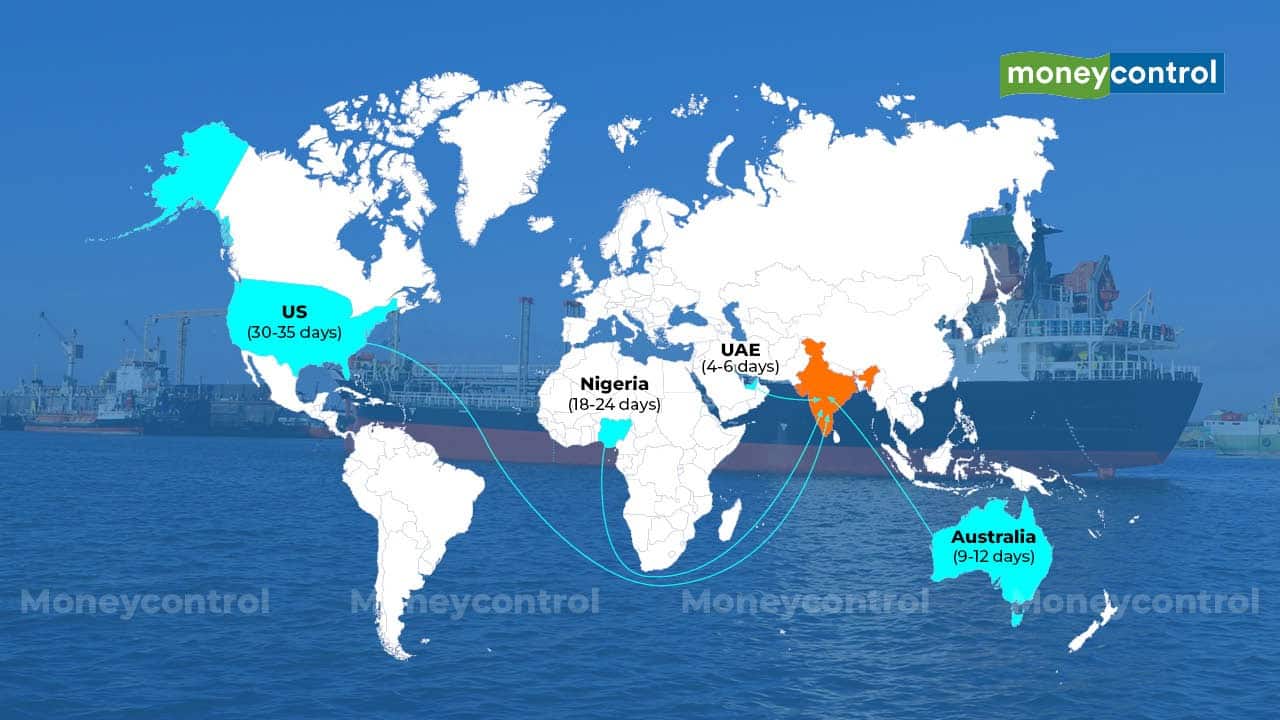
- 4-6 days is the typical delivery time for LNG shipments from the UAE's Das Island to India's west coast terminals, while east coast terminals receive cargoes in 11-12 days.
Impact of Alternative Supplies:
Read also: Treasury Yields Experience Largest Increase in Two Weeks Following Release of Labor Market Data
- LNG shipments from Western Australia take 9-12 days to reach India, while those from Australia's east coast projects can take 15-17 days.
- Cargoes from Nigeria typically take 18-24 days to reach India, with an average sailing time of 19-20 days via the Cape of Good Hope.
- Shipments from the US would be the slowest, requiring 30-35 days to reach India via the Cape of Good Hope.
Freight Costs and Premiums:
- Longer voyages could increase freight costs and push Asian buyers to pay higher premiums to attract cargoes away from Europe.
- Asian buyers may need to pay a premium over European prices to secure supplies, particularly from alternative sources.
India's Energy Reserves and Diversification:
Read also: US-Iran Tensions Spark Uptick in Oil Prices Amid Global Market Decline
- India imported $15 billion worth of LNG in 2024, placing it among the world's major buyers.
- The top five suppliers account for around 83.5% of India's LNG imports, underscoring limited diversification in sourcing.
- India maintains over three weeks of energy reserves, which could cushion short disruptions.
Investor Takeaway
Investors should be cautious of potential disruptions in global energy markets due to rising geopolitical tensions.
More in Economy

Market·1h ago
Treasury Yields Experience Largest Increase in Two Weeks Following Release of Labor Market Data

Economy·2h ago
US-Iran Tensions Spark Uptick in Oil Prices Amid Global Market Decline

Economy·4h ago
MoSPI Releases Uniform Norms for DDP Estimates with 2022-23 Base Year

Economy·4h ago
