Direct Selling Industry Faces Intensifying Competition from E-commerce Platforms: Report
Direct Selling Industry in India Faces Intensifying Competition from Digital-First Platforms
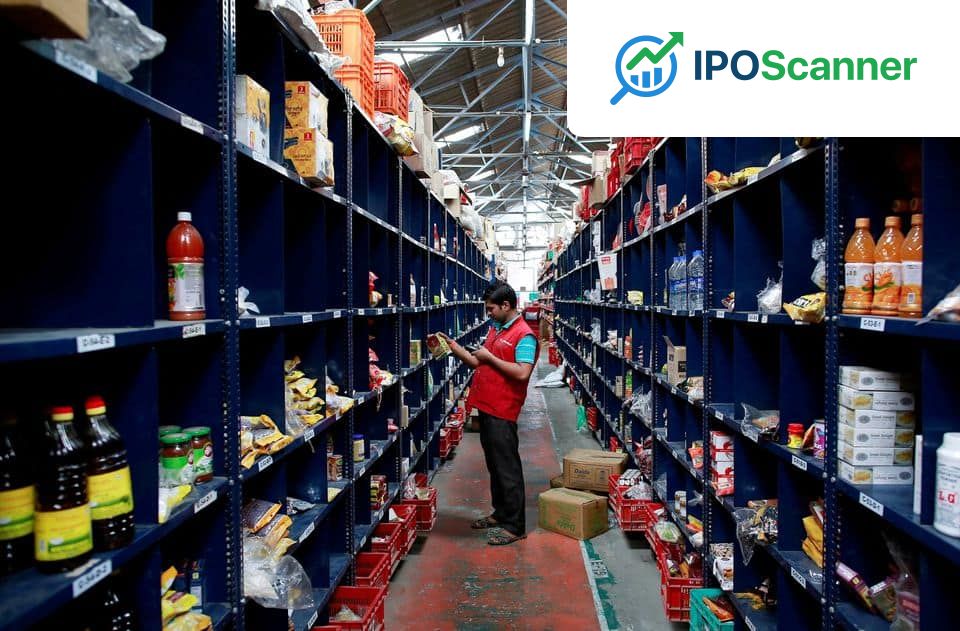
The direct selling industry in India is facing increasing competition from digital-first platforms such as e-commerce and quick-commerce companies, according to the latest annual report of the India Direct Selling Association (IDSA). The industry, which represents leading members such as Amway, Avon, and Oriflame, is no longer operating in a closed competitive landscape and is being evaluated against online retail platforms like Amazon and Flipkart.
Consumers are now assessing direct selling companies not only on product quality and personal relationships but also on price competitiveness, faster delivery, seamless digital interfaces, and overall convenience. This shift in consumer expectations has emerged largely due to the rise of e-commerce and quick-commerce platforms. As a result, direct selling companies are struggling to compete with these platforms, with 58% of direct sellers identifying competition from e-commerce and quick-commerce platforms as a key challenge.
The competition for the same pool of flexible, income-seeking individuals is further intensifying, making it difficult for direct selling companies to acquire and retain customers. According to the IDSA report, India's direct selling industry reported a year-on-year growth of 4% in FY25, with total sales reaching Rs 23,021 crore.
Read also: Treasury Yields Experience Largest Increase in Two Weeks Following Release of Labor Market Data
Despite the challenges posed by digital-first platforms, the Indian direct selling industry has demonstrated resilience, with a growth rate that outpaces the global direct selling market, which contracted by 1.2% worldwide. India was ranked 11th globally in terms of country-wise retail sales by the World Federation of Direct Selling Associations.
The report also highlighted the increasing number of women direct sellers in India, which has risen from 44% to 48% of the total direct selling workforce of over 93 lakh. The northern region emerged as the largest contributor to India's direct selling industry, accounting for 27.58% of gross sales, followed by the western region at 25.47% and the eastern region at 22.47%.
The top five states contributing to gross sales were Maharashtra (15.31%), West Bengal (10.88%), Uttar Pradesh (8.82%), Karnataka (6.37%), and Bihar (5.61%). The findings also showed that wellness and nutraceutical products continued to dominate the direct selling sector, accounting for nearly 60% of total sales. Cosmetics and personal care products contributed 26%, while household goods accounted for 5%.
| Region | Gross Sales Share (%) |
|---|---|
| Northern | 27.58 |
| Western | 25.47 |
| Eastern | 22.47 |
| Southern | 17.81 |
| Northeastern | 6.67 |
Read also: US-Iran Tensions Spark Uptick in Oil Prices Amid Global Market Decline
| State | Gross Sales Share (%) |
|---|---|
| Maharashtra | 15.31 |
| West Bengal | 10.88 |
| Uttar Pradesh | 8.82 |
| Karnataka | 6.37 |
| Bihar | 5.61 |
Investor Takeaway
Investors should be cautious of the intensifying competition in the direct selling industry.
More in Market

Treasury Yields Experience Largest Increase in Two Weeks Following Release of Labor Market Data

US-Iran Tensions Spark Uptick in Oil Prices Amid Global Market Decline

Indian Stocks to Watch: BHEL, Agarwal Industrial, JBM Auto, Rajesh Exports, Indian Energy Exchange, Lenskart Solutions in Market Focus on June 4.