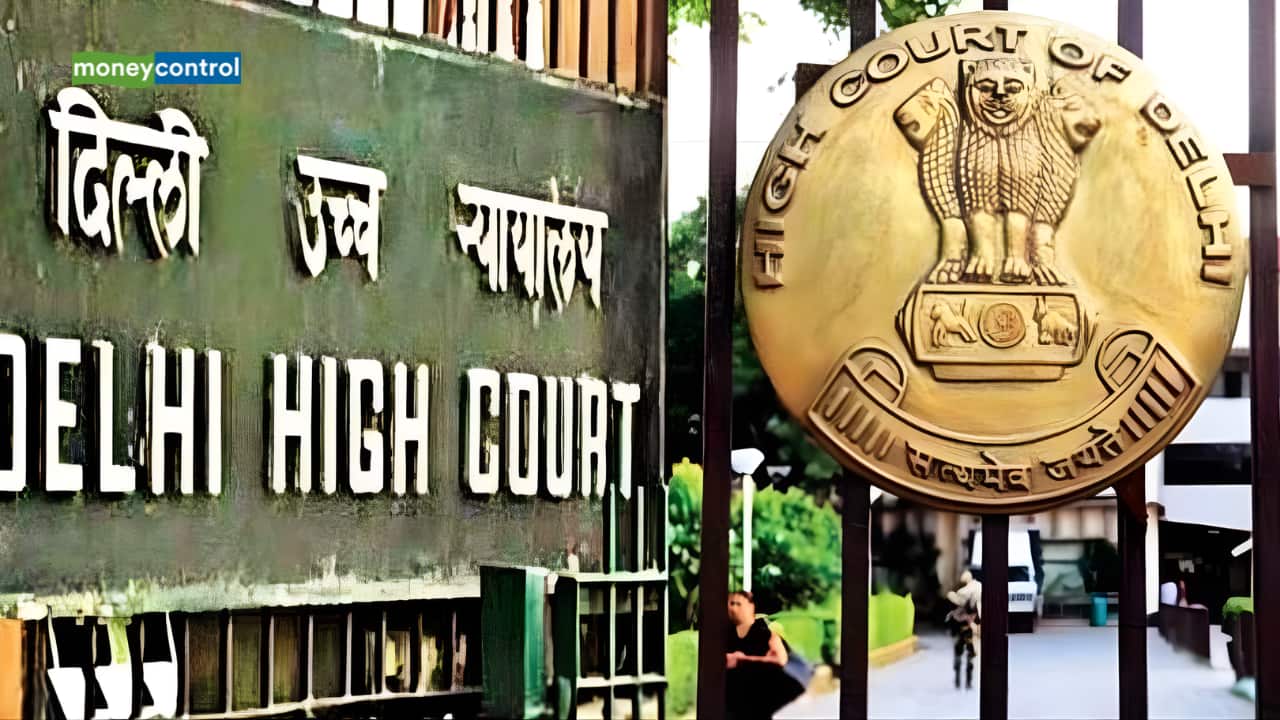
Delhi Government Argues Against Prohibition of Outdoor Sporting Events Due to Pollution Concerns
Delhi Government Opposes Shifting Outdoor Sporting Events Due to Pollution Concerns
Key Points:
- The Delhi government has submitted to the Delhi High Court that it cannot prohibit outdoor sporting events during the winter months solely due to high pollution levels.
- The court had earlier requested the government to consider shifting the events to "safer months" due to severe air quality.
- The petition, filed by 11 students, seeks a stay on state-scheduled sporting events during November to January, citing hazardous air quality.
Background:
Read also: Treasury Yields Experience Largest Increase in Two Weeks Following Release of Labor Market Data
On December 19, the Delhi High Court requested the Commission for Air Quality Management (CAQM) to issue directions to the concerned states to shift sports events to safer months. However, the petitioners claimed that this order was not complied with, prompting a contempt petition.
Government Response:
The government's counsel submitted that they are opposing any change to the annual sports calendar, but would instead defer events. The court, however, expressed doubts about its ability to direct the government on when to hold sporting events, citing the complexities of dealing with thousands of students.
Petitioners' Argument:
Read also: US-Iran Tensions Spark Uptick in Oil Prices Amid Global Market Decline
The petitioners argue that scheduling outdoor sports events during the winter months is arbitrary, unreasonable, and negligent, as athletes and children are vulnerable to severe air quality. They cite a report by the Lung Care Foundation, which states that air quality in Delhi routinely falls within the "Very Poor" to "Severe" categories during the winter months.
Health Risks:
The petition highlights the health risks associated with exposure to fine particulate pollutants (PM2.5), particularly for children. Long-term cohort studies have shown that exposure to high PM2.5 in childhood can lead to permanent reduction in lung growth and capacity, predisposing individuals to chronic respiratory disease.
Next Hearing:
The matter is scheduled to be heard next on March 24.
More in Economy

Treasury Yields Experience Largest Increase in Two Weeks Following Release of Labor Market Data

US-Iran Tensions Spark Uptick in Oil Prices Amid Global Market Decline

MoSPI Releases Uniform Norms for DDP Estimates with 2022-23 Base Year

