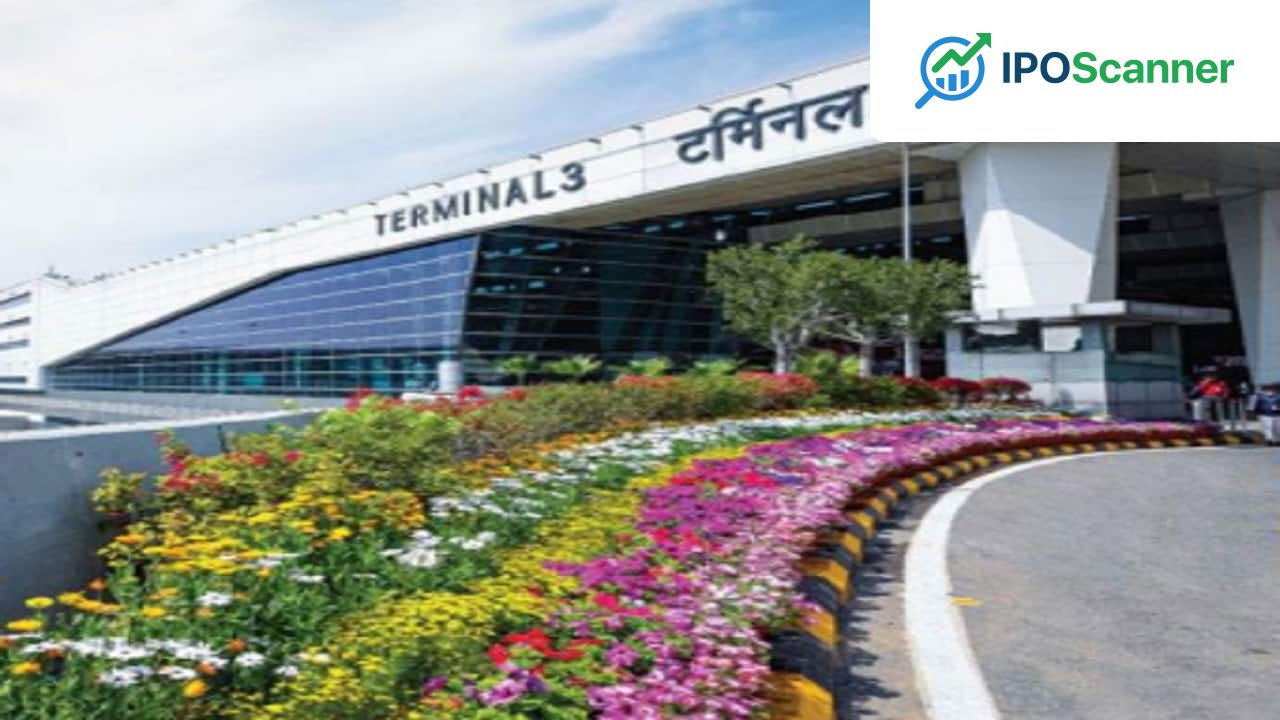
Delhi Airport's Terminal 3 to Launch International Operations at Pier C in Early May
Delhi Airport's International Passenger Handling Capacity to Increase by 50%
Delhi airport's annual international passenger handling capacity will increase to up to 32 million, with Pier C at Terminal 3 set to commence international operations from the first week of May. The Indira Gandhi International Airport (IGIA) has three terminals - T1, T2, and T3. Only T3 handles international flights, and the current capacity is around 20 million passengers per annum.
Terminal 3 has four piers - Pier A and B for international operations, and Pier C and D for domestic operations. Pier C has now been converted for international operations, which is a long and narrow structure or transfer facility from the main terminal building that allows passengers to use aerobridges to enter an aircraft.
With the conversion of Pier C, Delhi Airport's international passenger handling capacity will rise by around 50 per cent, translating to an additional 10 million passengers per annum (MPPA). This will take Terminal 3's total international capacity to 30-32 MPPA, positioning the airport well to serve growing international traffic in the years ahead.
Read also: Treasury Yields Experience Largest Increase in Two Weeks Following Release of Labor Market Data
India's international air traffic is expected to grow at around 7 per cent in the medium term, and Delhi airport, handling the country's largest share of international passengers, plays a pivotal role in enabling this growth. The conversion of Pier C provides adequate international capacity for the next 8-10 years and strengthens airside operations by improving stand availability and gate allocation for international flights.
Key Statistics Comparison
| Terminal | Current International Capacity (MPPA) | Projected International Capacity (MPPA) |
|---|---|---|
| T3 | 20 | 30-32 |
| T1 | 40 | - |
| T2 | 18 | - |
The conversion of Pier C would increase wide-body stand availability for international operations by around 40 per cent. The government is working on developing Delhi airport as a global transit hub. DIAL CEO Videh Kumar Jaipuriar said the transformation of Pier C, from domestic to international, strengthens the airport's ability to support long-haul connectivity, airlines' expansion plans, and India's ambition to be a global aviation hub.
Read also: US-Iran Tensions Spark Uptick in Oil Prices Amid Global Market Decline
Along with the Pier C conversion, DIAL said various upgrades are also being done. These include 12 new Self Baggage Drop (SBD) counters, taking the total number of such counters to 26 at T3. Additionally, 16 boarding gates have been converted for international operations, and there will be 40 additional Bureau of Immigration (BOI) counters in arrivals.
Operated by DIAL, a GMR Group-led consortium, Delhi airport has a total annual passenger handling capacity of around 106 million across the three terminals. While T3 can handle 45-48 million passengers, T1 can handle 40 million, and T2 can handle 18 million.
More in Market

Treasury Yields Experience Largest Increase in Two Weeks Following Release of Labor Market Data

US-Iran Tensions Spark Uptick in Oil Prices Amid Global Market Decline

Indian Stocks to Watch: BHEL, Agarwal Industrial, JBM Auto, Rajesh Exports, Indian Energy Exchange, Lenskart Solutions in Market Focus on June 4.