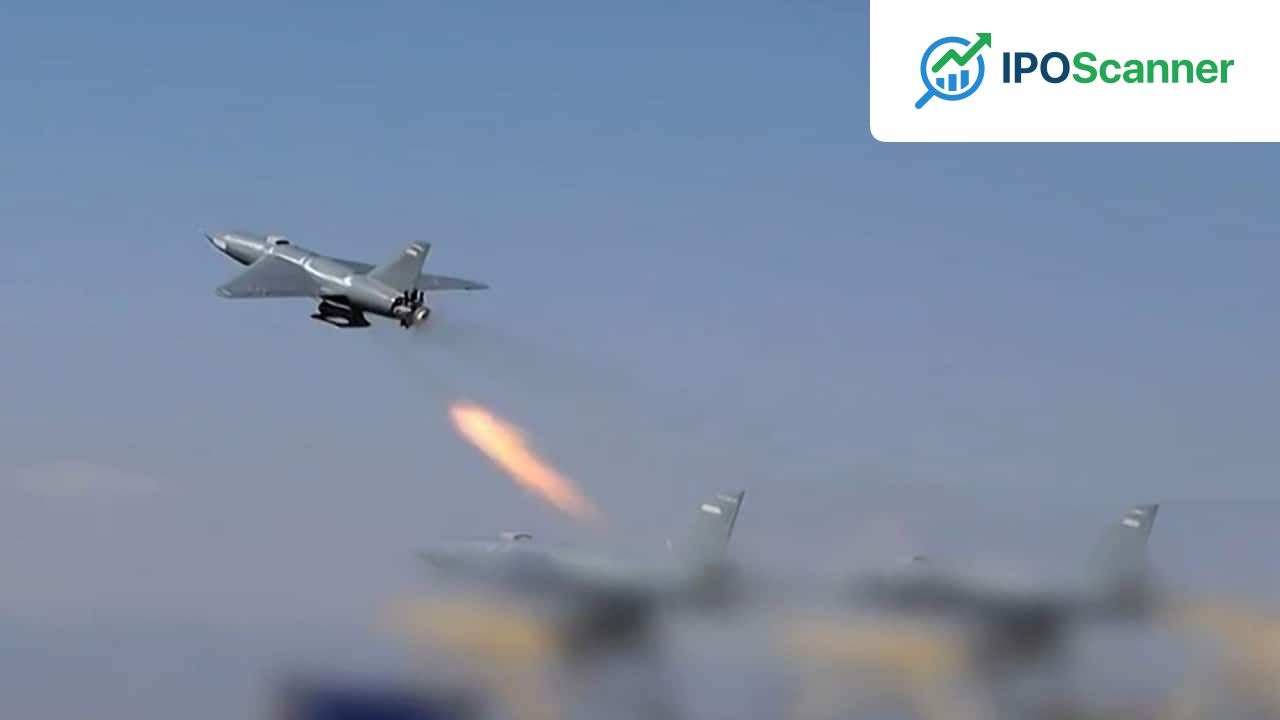
Defense Budget Expected to Increase Amid Post-Iran Conflict Review of Air Defense and Missile Systems
Regional Military Priorities Shift in Wake of Iran-US Ceasefire
The Iran-US ceasefire announced on April 8 is likely to trigger a reassessment of military priorities across the Gulf, with countries expected to step up spending on missile systems and air defence after years of relatively lower focus on these segments.
Recent procurement trends suggest a mixed picture. In the United Arab Emirates, missile imports moderated in 2021-25, while spending on air defence systems more than halved, with their share dropping from 19.6 percent to 10.2 percent.
Qatar shows a similar trend. Missile imports declined nearly 30 percent, with their share falling sharply from 31 percent in 2016–20 to 11.4 percent in 2021-25. Oman’s missile imports became negligible over the same period, while spending on air defence systems was effectively absent.
Read also: Treasury Yields Experience Largest Increase in Two Weeks Following Release of Labor Market Data
The following table compares missile imports and air defence spending in some Gulf countries:
| Country | Missile Imports (2021-25) | Air Defence Spending (2021-25) |
|---|---|---|
| UAE | Moderated | 10.2% (down from 19.6% in 2016-20) |
| Qatar | 30% decline | 11.4% (down from 31% in 2016-20) |
| Oman | Negligible | Absent |
At the same time, some countries had begun shifting their priorities before the conflict. Bahrain’s missile imports surged nearly tenfold between 2016-20 and 2021-25, while air defence systems emerged as a new category, accounting for 6.8 percent of imports.
Saudi Arabia has also increased its focus on these capabilities. Missile imports nearly doubled, with their share rising from 12.5 percent to 19.8 percent, while air defence systems saw an even sharper increase, more than doubling from 5.9 percent to 13.5 percent.
Read also: US-Iran Tensions Spark Uptick in Oil Prices Amid Global Market Decline
In contrast, aircraft imports have declined significantly across the region. In Saudi Arabia, for instance, their share fell from 59.9 percent to 39.2 percent, reflecting a gradual shift away from high-cost platforms towards more flexible and responsive systems.
For Iran, which spent only on aircraft in 2021-25, more spending may come for missiles and air defence systems as the country tries to shield itself from future conflict.
The recent conflict is likely to accelerate this transition. The widespread use of missiles and drones, coupled with the strain on existing air defence networks, has exposed vulnerabilities in regional defence preparedness.
At the same time, supply constraints are emerging. Defence manufacturers could benefit as demand rises, even as the US replenishes its depleted inventories.
An earlier analysis showed that the sustained pace of US-led strikes during the conflict has significantly drawn down high-end missile stockpiles.
The following table compares the deployment of Tomahawk missiles in various conflicts:
| Conflict | Number of Tomahawk Missiles Deployed |
|---|---|
| Iran-US Conflict | Over 850 |
| 2003 Iraq War | 802 |
| Operation Poseidon Archer (2024) | Around 130 |
Bloomberg reported that over 1,000 JASSM-ER missiles were deployed in the first four weeks of the conflict, reducing available stockpiles from roughly 2,300 pre-war to about 425.
Meanwhile, estimates suggest that nearly 46 percent of the US Army’s ATACMS inventory may already have been exhausted.
Defensive systems are also under pressure. Supplies of THAAD interceptors—used to counter incoming ballistic missiles—are projected to decline sharply, with some estimates suggesting inventories could be depleted as early as mid-April if current usage rates persist.
More in Economy

Treasury Yields Experience Largest Increase in Two Weeks Following Release of Labor Market Data

US-Iran Tensions Spark Uptick in Oil Prices Amid Global Market Decline

MoSPI Releases Uniform Norms for DDP Estimates with 2022-23 Base Year

