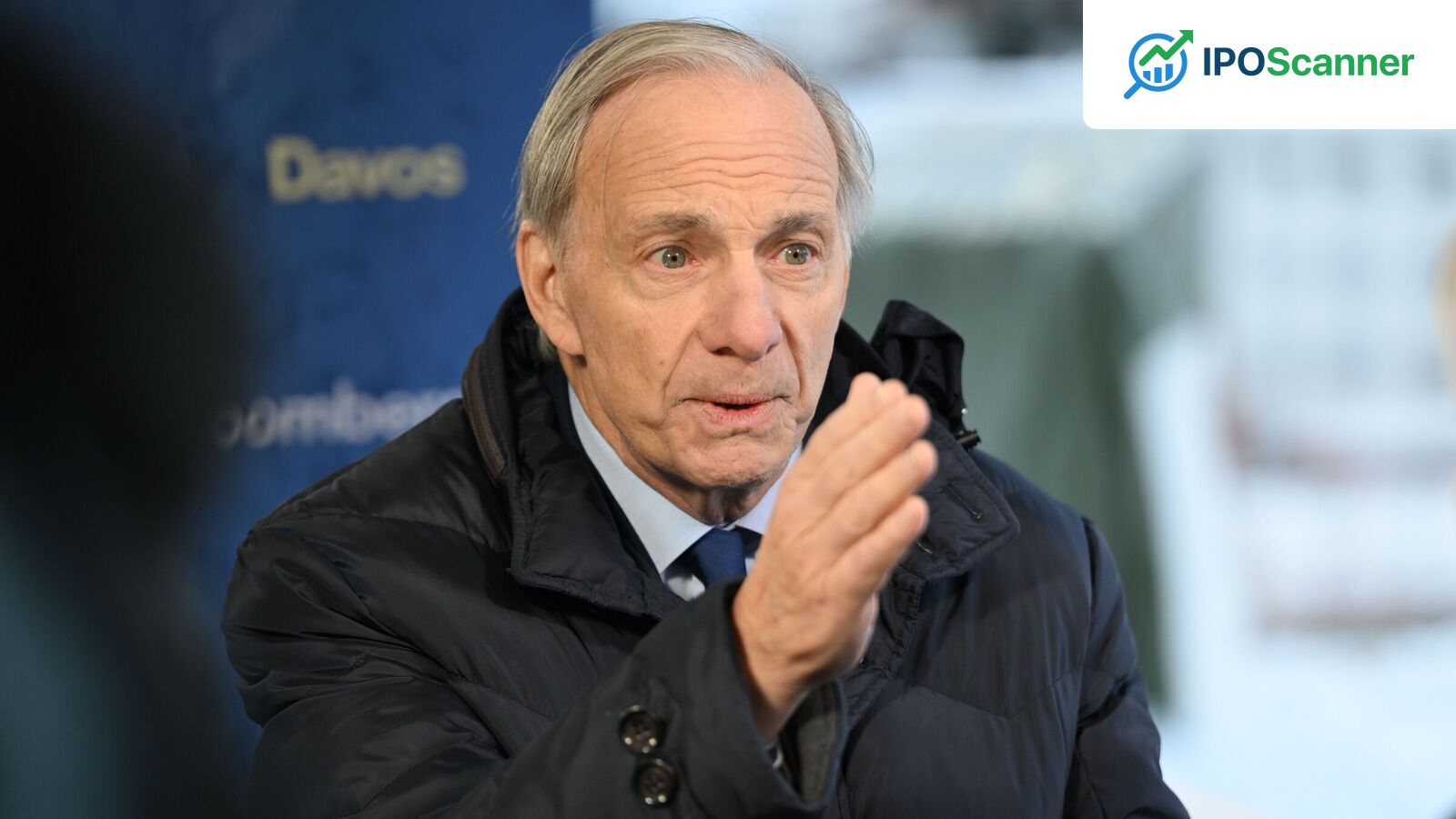
Debt Outpacing Income: Insights from Ray Dalio
US Debt Burden Raises Concerns Among Economists
Billionaire investor and hedge fund veteran Ray Dalio has sounded the alarm on the growing debt burden in the United States, warning that excessive borrowing and rising debt servicing costs could eventually squeeze economic growth.
In a recent podcast shared on X (formerly Twitter), Dalio compared a country's finances to that of a company or an individual, arguing that the fundamentals of economics remain largely similar — with one crucial exception: governments have the power to print money. This unique ability to print money, Dalio notes, can have far-reaching consequences for a nation's economic health.
When debt levels reach extreme sizes relative to income, governments are left with a limited set of choices: cut spending, raise taxes, restructure the debt, or print money. History shows that most systems end up relying heavily on the last option, but printing money doesn't eliminate the problem – it just shifts how the debt cycle plays out.
Read also: Treasury Yields Experience Largest Increase in Two Weeks Following Release of Labor Market Data
To illustrate the scale of the fiscal challenge, Dalio notes that the US government is projected to spend nearly $7 trillion while generating about $5 trillion in revenue, resulting in a deficit equal to roughly 40% of spending. He warns that persistent deficits over time have caused debt levels to balloon significantly, with the US debt now growing to nearly six times the amount of annual government income.
Dalio likens financial systems to the human circulatory system, with capital markets functioning like arteries that channel credit to different sectors of the economy. When borrowing is used productively — generating enough income to repay debt and cover servicing costs — the system remains healthy. However, problems arise when debt grows faster than income, causing debt servicing costs to squeeze out spending.
| Debt Level | Annual Government Income |
|---|---|
| US Debt | $6 times |
| Projected Spending | $7 trillion |
| Projected Revenue | $5 trillion |
Dalio's warning underscores a broader concern among market participants: debt can fuel growth when managed prudently, but unchecked borrowing risks becoming a drag on the economy over time.
Read also: US-Iran Tensions Spark Uptick in Oil Prices Amid Global Market Decline
Investor Takeaway
Be cautious of excessive debt and its potential impact on economic growth.
More in Economy

Treasury Yields Experience Largest Increase in Two Weeks Following Release of Labor Market Data

US-Iran Tensions Spark Uptick in Oil Prices Amid Global Market Decline

MoSPI Releases Uniform Norms for DDP Estimates with 2022-23 Base Year

