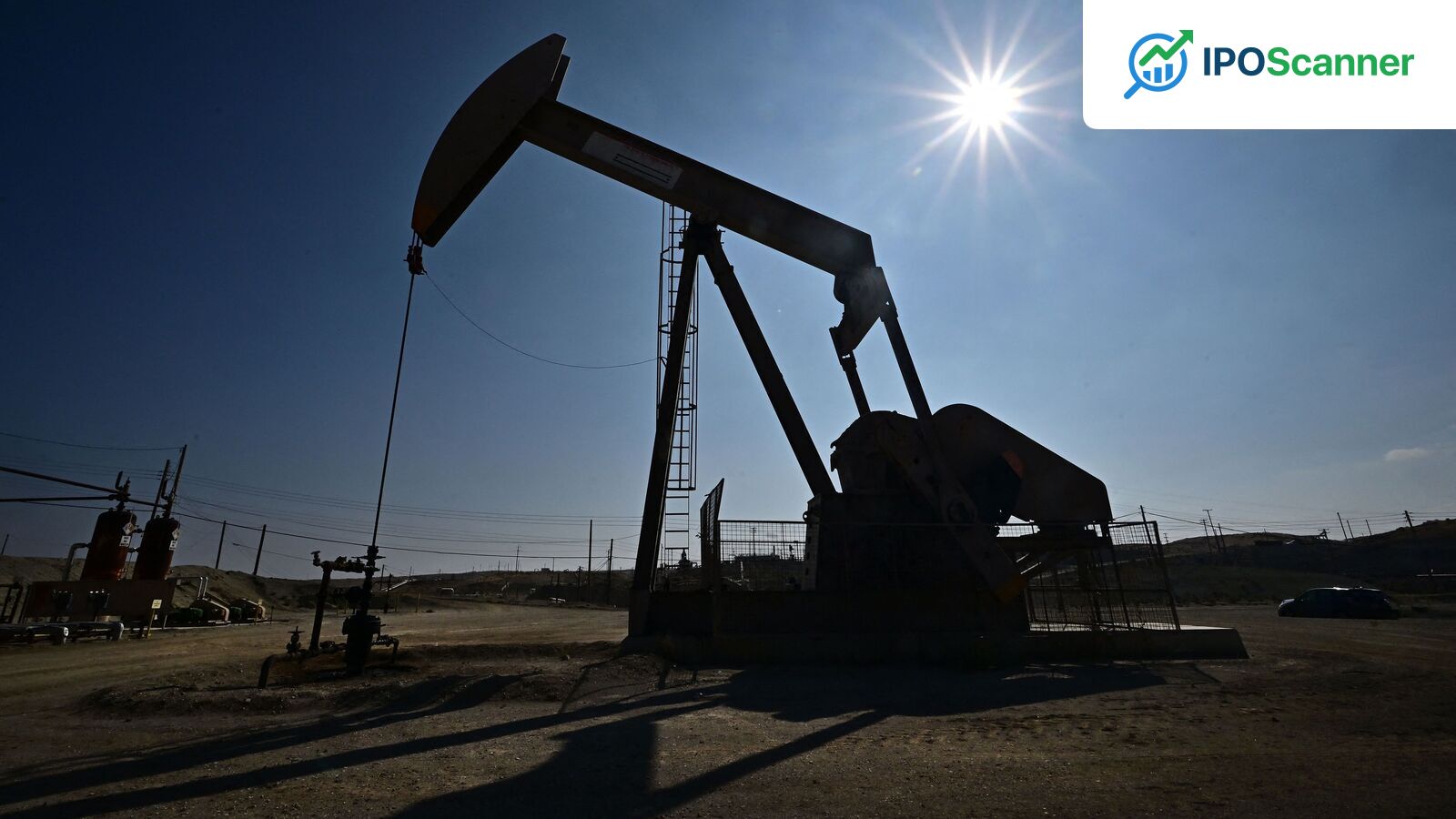
Crude Oil Prices Remain Volatile Amid Middle East Tensions
Oil Prices Swing Sharply Amid Uncertainty Over Middle East Tensions
Crude oil prices have been experiencing significant fluctuations as investors struggle to assess the likelihood of a prolonged supply crisis or a short-lived commodity shock in the Middle East. The prices surged above $110 per barrel last week due to concerns over renewed military escalation involving Iran and potential disruptions through the Strait of Hormuz, one of the world's most critical energy chokepoints. However, prices have since cooled as signs of improving tanker movement through the region eased immediate supply worries.
On Friday, 20 May, oil prices rebounded after three consecutive sessions of losses, with Brent crude futures climbing back above $104 per barrel. Although the benchmark remains down more than 4% for the week, West Texas Intermediate (WTI) crude advanced toward the $98-per-barrel mark. The recovery in prices came after Iran indicated that the latest proposal from the United States had helped narrow differences between the two sides. However, hopes of a breakthrough were clouded after Iran's Supreme Leader reiterated Tehran's intention to retain its uranium reserves, while tensions also resurfaced over shipping tolls and transit conditions in the Strait of Hormuz.
Comparison of Oil Prices
Read also: Treasury Yields Experience Largest Increase in Two Weeks Following Release of Labor Market Data
| Date | Brent Crude | WTI Crude |
|---|---|---|
| 20 May | $104 | $98 |
| 17 May | $100 | $92 |
| 16 May | $98 | $90 |
| 15 May | $95 | $88 |
According to Norbert Rücker, Head of Economics and Next Generation Research at Julius Baer, the current oil market environment resembles a prolonged battle between geopolitical tensions and pragmatic trade realities. "Observing the oil market feels like watching a tug of war tournament. Escalation concerns have dissipated again, and trade through Hormuz shows some signs of life," said Rücker.
The Strait of Hormuz situation is a key factor in the current oil market dynamics. While political negotiations between the United States and Iran remain uncertain, improving tanker movement through Hormuz suggests that bilateral arrangements between oil exporters, buyers, and Iran may already be helping partially restore trade activity. Over the past two weeks, several very large crude carriers, along with smaller vessels and liquefied natural gas tankers, have reportedly exited the Gulf and resumed journeys toward Asia.
Tanker Movement Through the Strait of Hormuz
Read also: US-Iran Tensions Spark Uptick in Oil Prices Amid Global Market Decline
| Date | Tanker Movement |
|---|---|
| 20 May | 15 vessels |
| 19 May | 12 vessels |
| 18 May | 8 vessels |
| 17 May | 5 vessels |
Rücker added that some of the shipments include vessels linked not only to China and other Asian countries maintaining ties with Iran, but also to South Korea, indicating broader interest in restoring trade flows. The report also highlighted that the reopening of shipping activity could eventually encourage more participants to resume trade through the region because Gulf oil exporters, Asian buyers, and Iran all share a strong economic interest in stabilizing energy flows.
Apart from improving trade movement, the oil market is also drawing support from global inventories and rising exports from major producing nations. Rücker observed that storage levels are falling rapidly because the oil market is currently operating in a supply deficit environment. He said the United States, alongside China and other countries, has increasingly become the supplier of last resort.
US exports of crude oil and refined products have reportedly risen significantly since April, helping offset shortages in global markets while simultaneously reducing domestic storage levels in the United States. The analyst also pointed out that fears surrounding jet fuel shortages in Europe have started easing as logistics and refining disruptions gradually stabilize.
Global Storage Levels
| Date | Storage Levels |
|---|---|
| 20 May | 80% capacity |
| 17 May | 75% capacity |
| 16 May | 70% capacity |
| 15 May | 65% capacity |
Despite the uncertainty, the global economy has so far shown resilience, partly because improving trade routes have reduced logistics costs, refining premiums, and fuel price pressures in several regions outside the United States. According to Rücker, the current oil shock still appears consistent with historical geopolitical crises that caused sharp but temporary price spikes rather than permanent structural shortages. "Our views are unchanged; the current crisis should follow the historical pattern of a short-lived but intense price shock. We see oil trading meaningfully lower later this year," said Rücker.
Investor Takeaway
Monitor crude oil prices for potential volatility due to Middle East tensions.
More in Economy

Treasury Yields Experience Largest Increase in Two Weeks Following Release of Labor Market Data

US-Iran Tensions Spark Uptick in Oil Prices Amid Global Market Decline

MoSPI Releases Uniform Norms for DDP Estimates with 2022-23 Base Year

