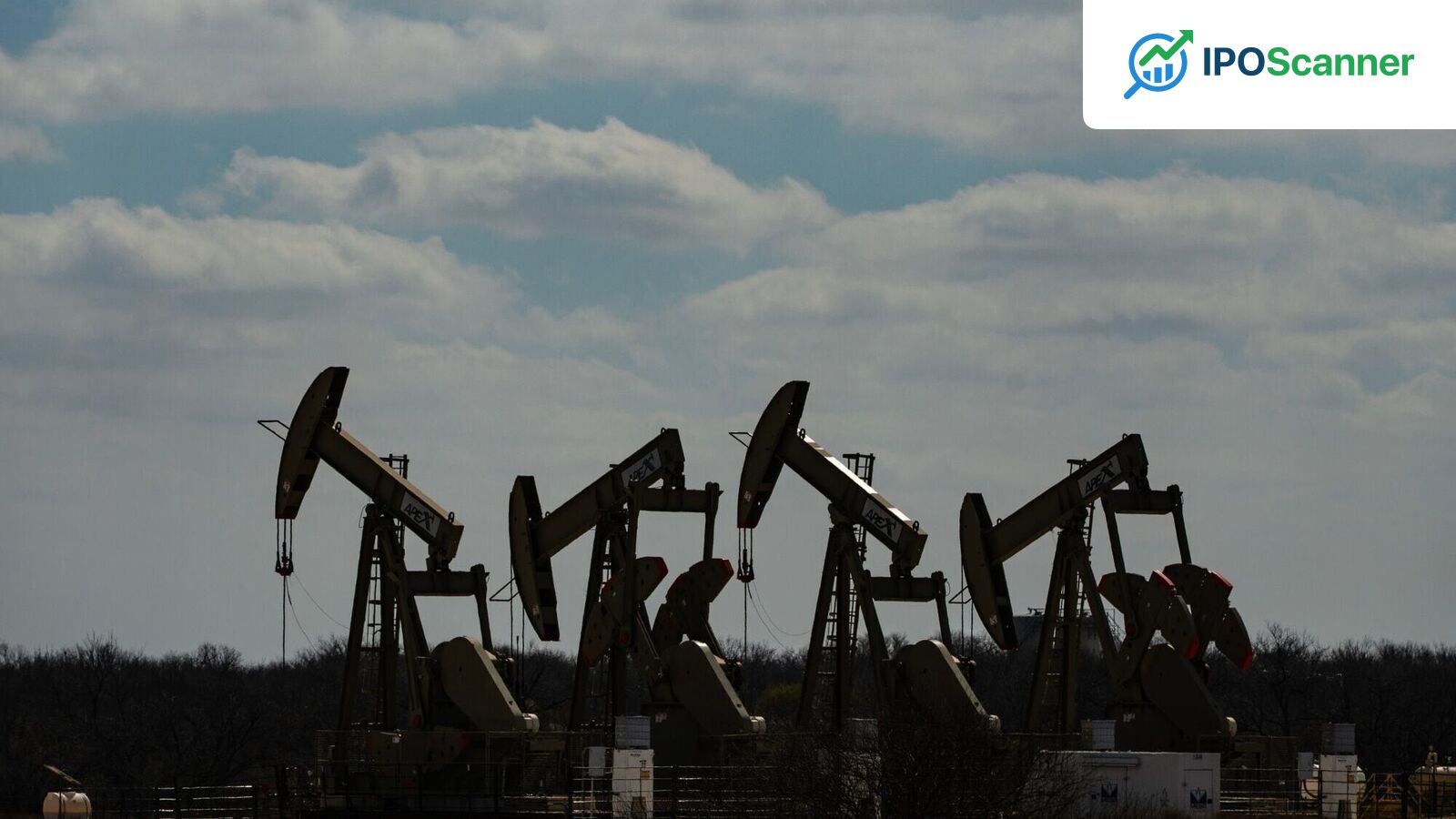
Crude Oil Prices Extend Upswing to Fourth Consecutive Session, Brent Surpasses $104 per Barrel.
US-Iran Conflict Continues to Fuel Global Oil Price Rally
Oil prices extended their rally to a fourth consecutive session on Thursday, April 23, as tensions between the US and Iran persisted over control of the Strait of Hormuz, following the collapse of fresh peace talks. The ongoing conflict has unsettled global energy markets, with Brent crude hovering near $104 per barrel after surging nearly 13% over the past three sessions. Meanwhile, West Texas Intermediate traded around $95, while crude oil prices on the Multi Commodity Exchange (MCX) surged as much as 2.60% to ₹8,948 per barrel.
The conflict, which began in late February, has severely impacted oil flows from key Persian Gulf producers, with a near shutdown of the Strait of Hormuz sharply curtailing oil exports. The US has enforced a naval blockade on vessels traveling to and from Iranian ports to increase pressure on the Islamic Republic, a move that Foreign Minister Abbas Araghchi condemned as a breach of the ceasefire. The US and Iran continue to remain deadlocked over major issues, including Iran's nuclear program and Israel's military actions in Lebanon.
US President Donald Trump announced that the ceasefire agreed on April 7 will remain in effect indefinitely as Washington awaits a fresh peace proposal from Iran, even as Tehran maintains it has no immediate intention of entering negotiations. Iranian President Masoud Pezeshkian said he is open to dialogue, but emphasized that the blockade and ongoing threats remain significant barriers to diplomacy. Iran has also restricted most international traffic through Hormuz, with its patrol boats reportedly firing at commercial vessels in the strait on Wednesday.
Read also: Treasury Yields Experience Largest Increase in Two Weeks Following Release of Labor Market Data
The US has intercepted, boarded, and turned away multiple ships since imposing the blockade earlier this month, further escalating tensions in the region. Separately, traders monitored US oil inventory data released by the Energy Information Administration, which showed declines across major refined fuel categories. As global markets increasingly rely on US supplies to offset disruptions in the Middle East, demand has surged, pushing total US oil and fuel exports to record levels, according to a Bloomberg report.
Crude Oil Prices Outlook
Kaynat Chainwala, AVP, Commodity Research, Kotak Securities, believes that WTI is expected to trade within a $85-$95/bbl range in the near term as markets continue to oscillate between ceasefire optimism and escalation risk. She further noted that a significant deterioration in the geopolitical situation could drive prices beyond $100/bbl, while a credible and lasting peace settlement would likely see WTI retreat below $80/bbl.
| Crude Oil Price Range | Expected Price Range |
|---|---|
| MCX Crude Oil | ₹7,900-₹8,900 per barrel |
| Breakout Above | ₹9,400 per barrel |
| Breakout Below | ₹7,500 per barrel |
Read also: US-Iran Tensions Spark Uptick in Oil Prices Amid Global Market Decline
On the MCX crude oil price outlook, Kaynat Chainwala added that the crude is expected to remain range-bound between ₹7,900-₹8,900 per barrel, with a breakout above ₹9,400 possible should tensions intensify further, and a pullback toward ₹7,500 likely in the event of a durable deal and the reopening of the Strait of Hormuz.
Ponmudi R, CEO of Enrich Money, noted that MCX Crude Oil is currently trading near the ₹8,400 zone, having broken above the prior ₹8,000-₹8,350 consolidation range and surging to a peak near ₹8,600 before pulling back. He added that price action remains volatile, with ₹8,530 now acting as immediate resistance. A sustained move above this level could reopen the path toward ₹8,650-₹8,860. On the downside, ₹8,200 serves as the key support; a decisive break below could expose the ₹8,120-₹7,945 zone. The near-term bias remains cautiously bullish driven by ongoing disruptions in the Strait of Hormuz.
Investor Takeaway
Crude oil prices may continue to rise due to geopolitical tensions.
More in Economy

Treasury Yields Experience Largest Increase in Two Weeks Following Release of Labor Market Data

US-Iran Tensions Spark Uptick in Oil Prices Amid Global Market Decline

MoSPI Releases Uniform Norms for DDP Estimates with 2022-23 Base Year

