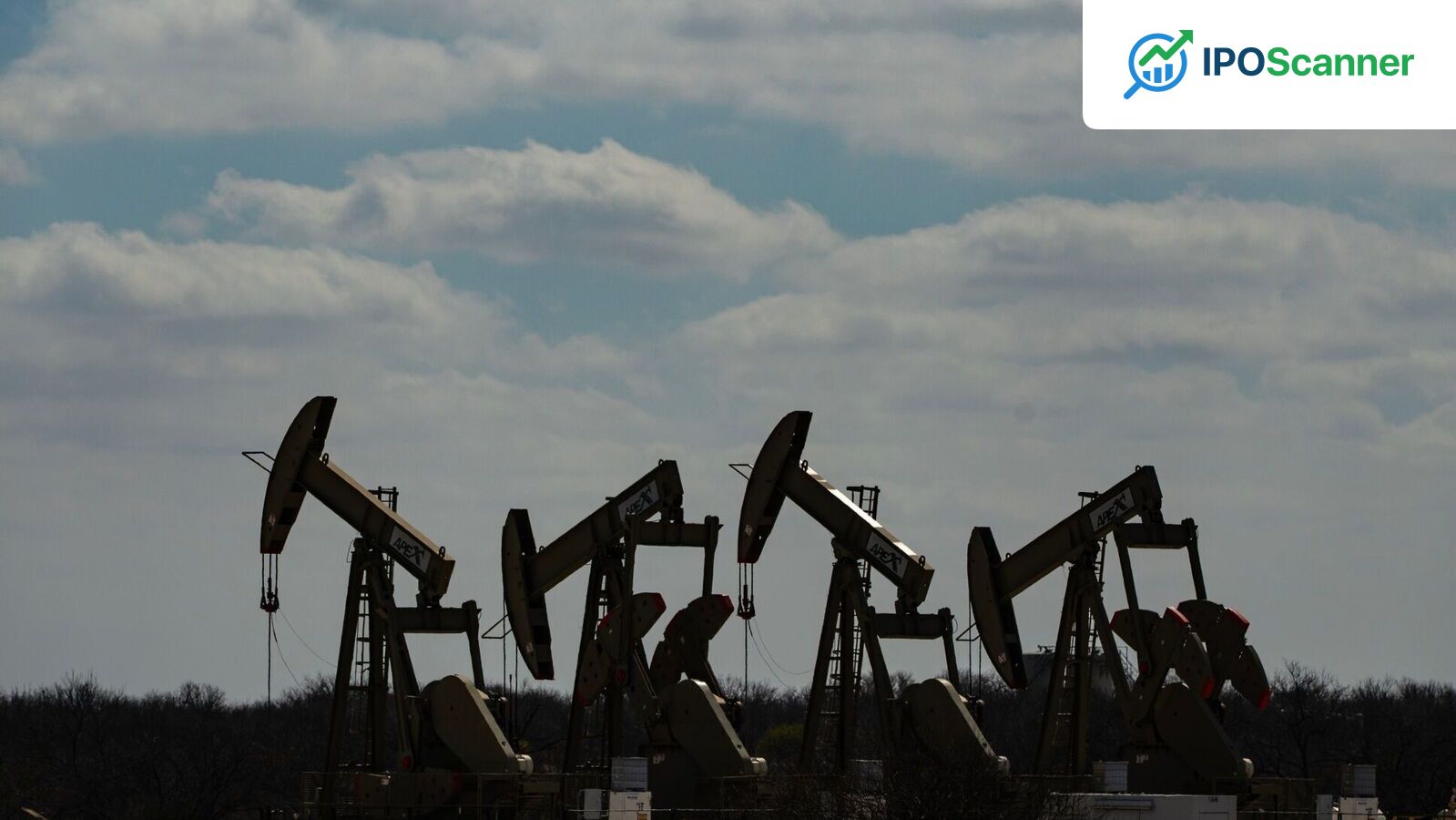
Crude Oil Prices Decline Amid Hopes of Revived US-Iran Diplomatic Talks, Brent Futures Fall to $96.5 per Barrel
Crude Oil Prices Cool Off Amid Hopes of US-Iran Talks
Crude oil prices, which have been reacting sharply to ongoing developments in West Asia, cooled off on Tuesday, 14 April, as expectations rose over a possible second round of talks between the US and Iran to end the month-long war. The benchmark US crude retreated by $4 to $95 a barrel, while Brent crude, the international benchmark, dropped $2.77 to $96.59 a barrel.
In the previous session, both benchmarks closed with gains of up to 4.3% as tensions resurfaced in the region, reigniting supply disruption concerns. Elevated crude oil prices have already started reflecting in consumer price numbers globally, and experts believe that any easing in prices will depend on how the conflict evolves in the coming weeks.
Pakistani officials reportedly said on Tuesday that Islamabad has proposed a second round of talks to the US and Iran. Meanwhile, US Vice President JD Vance said earlier that negotiations with Iran "did make some progress," while US President Donald Trump said on Monday, "We've been called by the other side," and "They want to work a deal."
Read also: Treasury Yields Experience Largest Increase in Two Weeks Following Release of Labor Market Data
Ceasefire talks between the US and Iran ended on Sunday without an agreement, raising questions about what will happen when the current two-week truce expires on 22 April. However, hopes of resumption of negotiations helped calm energy markets. President Donald Trump said on Monday that the US military has begun a blockade of all Iranian ports and coastal areas, applying to vessels traveling to and from Iranian ports.
Analysts have suggested that the US president's move is aimed at increasing pressure on Iran to strike a deal on American terms. Trump is looking to cut off a significant source of revenue for the Iranian government through the closure of the Strait of Hormuz, as he had earlier repeatedly warned Iran to reopen the key waterway.
Iran had taken full control of the strait after the war erupted on 28 February, which had sent crude oil prices surging to four-year highs. The International Energy Agency (IEA) said that Arab Gulf oil producers can restore around half of the shut-in production to pre-war levels within two weeks once transit through the Strait of Hormuz resumes.
| Production Scenario | Pre-War Levels | Two-Week Recovery | Following Month |
|---|---|---|---|
| Total Production | - | 50% | 80% |
| Remaining Production | - | 20% |
Read also: US-Iran Tensions Spark Uptick in Oil Prices Amid Global Market Decline
The IEA also projects that global oil demand will decline this year for the first time since the 2020 pandemic, as the price surge caused by the Middle East conflict weighs on consumption. Last month, the Paris-based IEA oversaw the release of a record 400 million barrels from emergency oil reserves by members including the US, Japan, and Germany in an effort to tame spiraling costs, but that had a limited impact on cooling energy prices.
Investor Takeaway
Crude oil prices may continue to fluctuate based on US-Iran diplomatic talks.
More in Economy

Treasury Yields Experience Largest Increase in Two Weeks Following Release of Labor Market Data

US-Iran Tensions Spark Uptick in Oil Prices Amid Global Market Decline

MoSPI Releases Uniform Norms for DDP Estimates with 2022-23 Base Year

