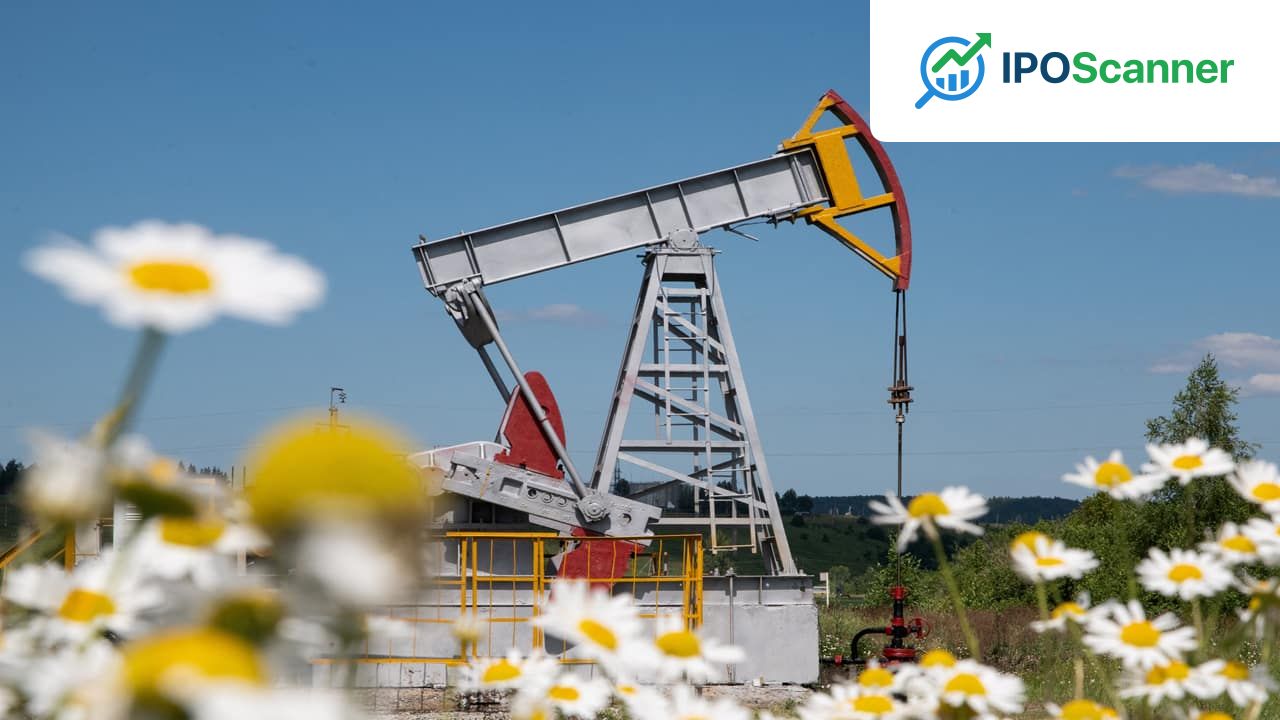
Crude Oil Price Volatility: Uncovering Market Manipulation Tactics
Fuel Price Hikes Hit Indian Households Hard
The impact of the Strait of Hormuz closure on global energy prices has finally reached Indian pumps, with petrol and diesel prices hiked by approximately Rs 3 per litre. CNG prices have also been increased by Rs 2 per kg in the metro cities of Delhi and Mumbai. This is in addition to the earlier hike in liquified petroleum gas (LPG) cylinder prices this month.
The current Brent crude price is trading above $100 per barrel in international markets, with India's crude oil basket stuck above $100 for the past month. This has resulted in a significant increase in our oil bill, and the country is struggling to secure dollars even as foreign investors are withdrawing from our markets.
The average Indian household will bear the brunt of these higher prices, as fuel costs seep into every other sector through trade and logistics costs. For instance, Mother Dairy and Amul have increased their milk prices by Rs 2 a litre, primarily due to higher costs in producing and transporting milk. This is a direct result of the Strait of Hormuz closure, which has been under siege since March.
Read also: Treasury Yields Experience Largest Increase in Two Weeks Following Release of Labor Market Data
Economists have warned of an increase in inflation across categories as firms begin to pass on prices to citizens, despite Prime Minister Narendra Modi's call for austerity measures. Nomura analysts are projecting retail inflation for FY27 to be 5 percent, as against the Reserve Bank of India's forecast of 4.6 percent.
Despite the fuel price hike, equity indices have not tanked, but instead have shown an increase. However, investors must be concerned that an increase in the price of goods and services will eventually increase the price of capital, making capital expensive.
Fuel Price Hikes Not Over Yet
The fuel price hikes are not over, as the under-recoveries of oil firms continue to surge. This means that the government will trickle down a costly crude oil bill onto households to avoid a fiscal nightmare of subsidies. This could result in more hikes in the coming months, which will show up in the retail inflation print.
Read also: US-Iran Tensions Spark Uptick in Oil Prices Amid Global Market Decline
Supply Shock vs Demand Side Push
Consumer price index inflation will capture the fuel price hikes and increase in other prices as they come in. However, a supply shock-induced inflation is different from a demand-side push. Supply restrictions result in an asymmetric impact, with informal markets becoming vibrant. This means that the average Indian household will encounter the worse of the price hikes in informal markets.
Crude Oil Prices Unlikely to Ease
Crude oil prices are unlikely to ease this fiscal year, which could mean that inflation will not only increase but remain elevated for a longer period. This will put pressure on households and corporate balance sheets, affecting equity valuations.
Key Statistics
| Firm | Q4 FY26 | Projected FY27 |
|---|---|---|
| Nomura | - | 5% |
| RBI | - | 4.6% |
Investing Insights
Investors should be aware that the fuel price hikes will dominate Indian policy and public discourse this year. The real hit to the economy through both formal and informal channels should be considered when making investment decisions.
Investor Takeaway
Investors should be cautious of the potential impact of rising crude oil prices on the Indian economy and related sectors.
More in Economy

Treasury Yields Experience Largest Increase in Two Weeks Following Release of Labor Market Data

US-Iran Tensions Spark Uptick in Oil Prices Amid Global Market Decline

MoSPI Releases Uniform Norms for DDP Estimates with 2022-23 Base Year

