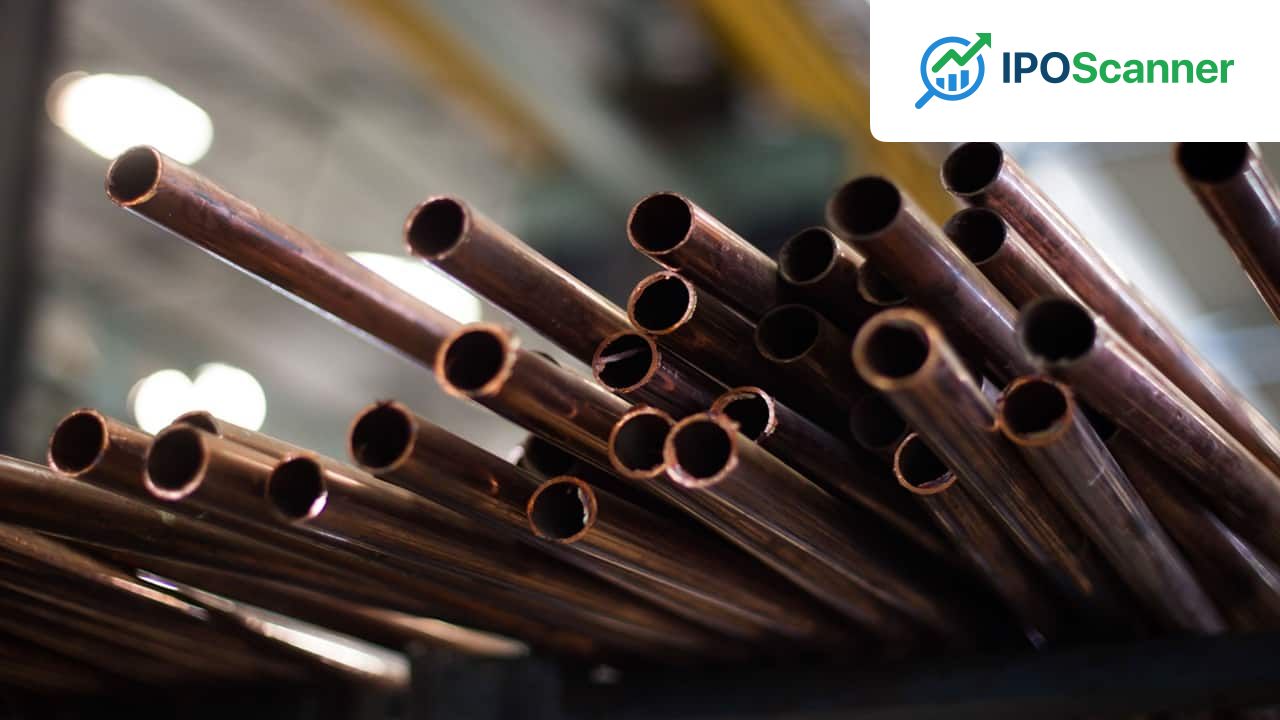
Copper ETF Demand in India Grows Amid Structural Hurdles
Copper ETF in India: A Viable Opportunity Amidst Global Uncertainty
Market Context
The Indian market is witnessing a surge in demand for copper, driven by its impressive 36%+ returns on the Multi Commodity Exchange (MCX) in 2025. This has sparked interest in a copper Exchange-Traded Fund (ETF), but several challenges need to be addressed.
Macro Tailwinds Driving Copper Demand
Read also: Treasury Yields Experience Largest Increase in Two Weeks Following Release of Labor Market Data
Global investors are shifting their focus to base metals, particularly copper, due to its strong returns and compelling macro growth story. The conflict in West Asia has led to unstable energy prices, while the rally in US equities has slowed, contributing to increased risk premiums across asset classes. Copper serves as the circulatory system of the energy transition, with demand expected to reach 42.7 million tonnes by 2035, a 24% increase.
Challenges in Building a Copper ETF in India
A physical copper ETF is impractical due to the need for extensive industrial storage, regular purity checks, and specialized handling. Copper's tendency to oxidize when exposed to air and moisture necessitates climate-controlled storage, eroding investor returns. Taxation further complicates matters, with copper attracting 18% GST, while gold and silver are taxed at 3%.
Regulatory Framework
Read also: US-Iran Tensions Spark Uptick in Oil Prices Amid Global Market Decline
The Securities and Exchange Board of India (SEBI) must establish a transparent, poll-based domestic copper spot benchmark on regulated exchanges. Encouraging institutional participation in longer-term MCX contracts through market-making mechanisms and reduced margin requirements is also essential. A regulatory framework enabling Indian mutual funds to access London Metal Exchange (LME) or Chicago Mercantile Exchange (CME) copper contracts is also necessary.
Investor Protection
Regulated copper investment products would replace the unregulated physical market flourishing on social media, where buyers face poor price transparency, limited liquidity, and uncertain exit options. The Goods and Services Tax (GST) Council should reconsider copper's 18% rate for ETF structures and align it more closely with the 3% rate for precious metals.
Building India's Copper Ecosystem
A robust copper ETF would provide a credible, regulated investment option, protecting consumers from the risks associated with unregulated physical commodity sales. The path forward is clear, though not simple, and requires cooperation from SEBI, the GST Council, and other regulatory bodies.
Investor Takeaway
Investors should be cautious of unregulated physical commodity sales and consider credible, regulated investment options.
More in Economy

Treasury Yields Experience Largest Increase in Two Weeks Following Release of Labor Market Data

US-Iran Tensions Spark Uptick in Oil Prices Amid Global Market Decline

MoSPI Releases Uniform Norms for DDP Estimates with 2022-23 Base Year

