Consumer Affairs Group Reports on CCI's Digital Conduct Guidelines
Competition Commission Adapts to Digital Age with Effects-Based Approach
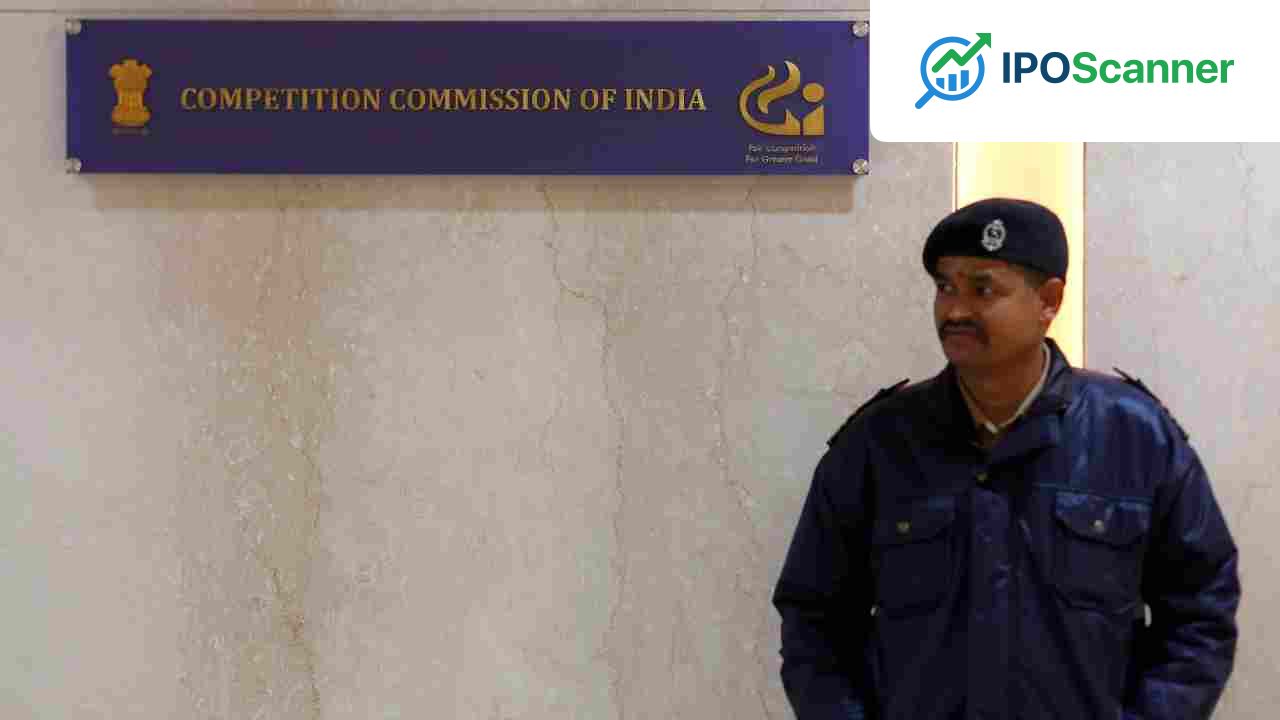
The Competition Commission of India (CCI) has been adjusting its approach to stay in line with the rapidly changing market trends. Speaking at the 17th Annual Day of the CCI, Comptroller and Auditor General K Sanjay Murthy noted that in the digital age, dominance may emerge not through scale of production, but through scale of data, control over ecosystems, and influence over access.
Murthy pointed out that in the absence of competition, complacency is rewarded, inefficiency is entrenched, and the consumer, whether a household or the Government of India itself, ends up paying more for less. The CCI, which keeps a tab on unfair business practices across sectors in the marketplace and promotes fair competition, has been increasingly focusing on Big Tech, investigating e-commerce platforms and penalizing platforms for abuse of dominant position by indulging in exclusionary and exploitative practices.
By pivoting towards an "effects-based approach", the CCI now focuses on how digital conduct impacts innovation and consumer choice rather than just market share. This ensures that the regulatory framework remains agile enough to address emerging challenges like algorithmic collusion and self-preferencing in an increasingly digitized Indian marketplace. The adoption of this approach will focus on transparency, procedural efficiency, and sophisticated enforcement tools.
Read also: Treasury Yields Experience Largest Increase in Two Weeks Following Release of Labor Market Data
Murthy also highlighted the relationship between audit and competition, stating that it is not incidental, but structural. He noted that in government procurement, when suppliers collude to fix prices, rig bids, or divide markets, they do not merely violate competition law; they also cause direct and measurable loss to the public exchequer. The CAG's audit of procurement is therefore not a parallel activity to competition enforcement — it is a complementary instrument that creates the institutional pressure necessary to ensure that India's vast government marketplace remains genuinely competitive.
The CCI has frequently relied on CAG reports as a source for identifying 'red flags' in public procurement. CAG reports have often served as the trigger for the regulator to initiate suo motu investigations or as corroborative data for ongoing cases. Over the past years, there have been several occasions when the CCI has taken cognizance of CAG reports highlighting anti-competitive issues, and has inquired into the issues raised.
Comparison of CCI's Focus Areas
| Year | Focus Areas |
|---|---|
| 2018-2020 | Traditional market share focus |
| 2020-2022 | Shift towards digital conduct and innovation impact |
Read also: US-Iran Tensions Spark Uptick in Oil Prices Amid Global Market Decline
Note: The comparison table highlights the shift in the CCI's focus areas from traditional market share focus to digital conduct and innovation impact over the past few years.
More in Economy

Treasury Yields Experience Largest Increase in Two Weeks Following Release of Labor Market Data

US-Iran Tensions Spark Uptick in Oil Prices Amid Global Market Decline

MoSPI Releases Uniform Norms for DDP Estimates with 2022-23 Base Year

