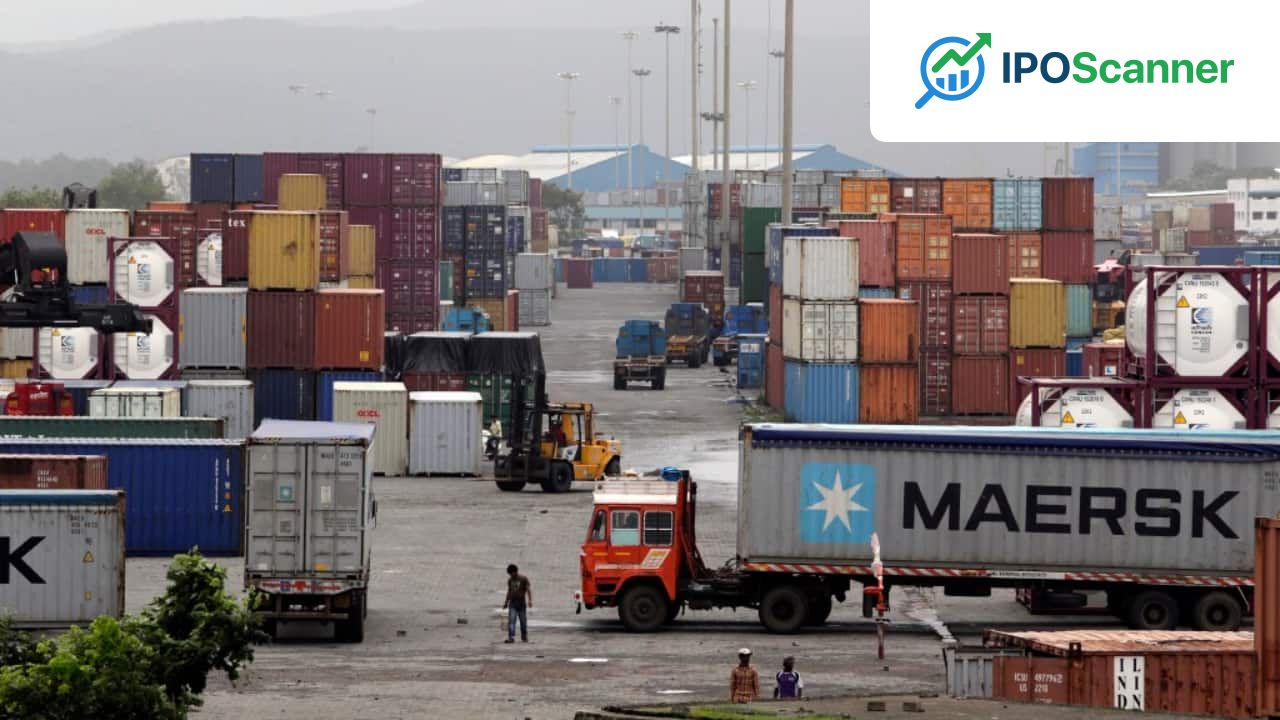
Commerce Ministry Official Clarifies Intent Behind Quality Control Orders
India's Quality Control Orders Aim to Enhance Quality Ecosystem, Not Trade Barriers
A senior government official clarified on Thursday that the objective behind issuing quality control orders (QCOs) for various goods in India is to enhance the quality ecosystem, not create trade barriers. Darpan Jain, India's chief negotiator for the India-EU free trade agreement and Additional Secretary in the Department of Commerce, made this statement at an event on the India-EU FTA.
The pact has attempted to ensure that these regulations do not impede trade between India and the European Union (EU). Concerns regarding India's QCOs from certain EU firms have been addressed through the technical barriers to trade chapter in the FTA, which covers technical regulations like these QCOs.
According to Jain, QCOs are quality requirements based on safety, security, and sustainability criteria, either one or a combination of these. The government is implementing various reforms to enhance the quality ecosystem in India, with more products being evaluated to determine how to improve their quality. The intent behind these measures is not to restrict trade but to enhance the quality of products available in the Indian market.
Read also: Treasury Yields Experience Largest Increase in Two Weeks Following Release of Labor Market Data
The India-EU agreement is a living agreement, incorporating clauses for review and consultation processes. This ensures that any concerns or apprehensions regarding the QCOs are taken care of as far as India-EU trade is concerned.
The EU's carbon border adjustment mechanism (CBAM) has been a point of contention, particularly for the Indian industry in sectors like steel. CBAM is a border carbon tax that charges importers for emissions embedded in goods produced outside Europe, effectively placing a carbon price on foreign manufacturers selling into the EU.
The Indian government is working to address the concerns of regulators while ensuring that trade is not restricted, a delicate balance to achieve.
More in Economy

Treasury Yields Experience Largest Increase in Two Weeks Following Release of Labor Market Data

US-Iran Tensions Spark Uptick in Oil Prices Amid Global Market Decline

MoSPI Releases Uniform Norms for DDP Estimates with 2022-23 Base Year

