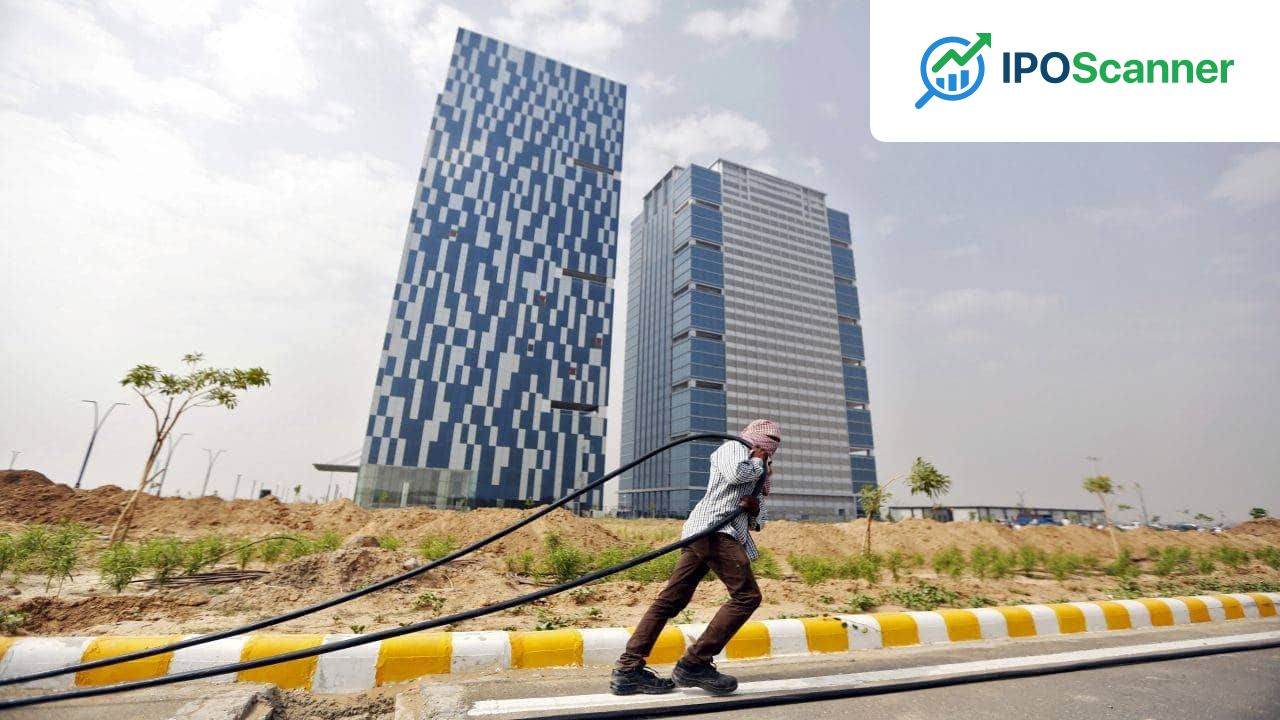
Climate-Resilient Buildings: Design Reconsidered in Delhi-NCR as Region Grapples with Rising Temperatures
Climate Stress Exposes Vulnerability of Indian Cities
Rising temperatures and more frequent heatwaves in the National Capital Region have once again exposed the growing vulnerability of Indian cities to climate stress, forcing developers and urban planners to rethink design and operations.
With temperatures in the region crossing 40 degrees Celsius in May and power demand touching record highs, the need for climate-resilient buildings is becoming central to the future of urban real estate. On May 18, the India Meteorological Department (IMD) warned that large parts of northwest and central India are likely to face intense to severe heat wave conditions over the coming days, with Delhi among the worst affected regions.
Delhi-NCR Braces for Harsh Summer
Read also: Treasury Yields Experience Largest Increase in Two Weeks Following Release of Labor Market Data
There is a yellow alert for Delhi-NCR, with maximum temperature expected to hit 45°C this week. A harsh summer is on the cards, IMD has said. As heatwaves get longer and more frequent, developers say buildings that can reduce energy loads, manage water efficiently, and ensure indoor comfort during extreme weather will become critical not just for sustainability but for long-term asset viability.
The Pressure on Power Grids
A rising mercury has pushed up electricity demand across the National Capital Region dramatically, as cooling loads surge in residential and commercial buildings. According to official estimates, Delhi's peak power demand crossed 7,500 MW earlier this month, with power distribution companies warning that the city could see new highs in the coming summer months.
| Year | Peak Power Demand (MW) |
|---|---|
| 2022 | 6,500 MW |
| 2023 | 7,000 MW |
| 2024 (projected) | 8,000 MW |
Read also: US-Iran Tensions Spark Uptick in Oil Prices Amid Global Market Decline
This rising pressure on the power grid has exposed the risks of dependence on conventional cooling systems in densely built urban centres. Industry experts say that energy-efficient and climate resilient buildings can play a vital role in reducing this pressure. Insulated facades, energy-efficient glazing, passive cooling systems, and optimized ventilation reduce air-conditioning loads and lower peak electricity consumption.
Developers Rethink Building Design
Sandeep Chhillar, Founder & Chairman of Gurugram-based Landmark Group, said the NCR heatwaves are not a seasonal event but a structural reminder to recalibrate the approach for urban development and construction. "Extreme weather events are making it clear that buildings can no longer be designed only for present conditions. Climate resilience must be integrated into building design from the outset. Energy efficiency measures not only reduce operational costs but also lessen the burden on urban infrastructure during periods of peak stress."
Water Resilience Takes Center Stage
Alongside rising energy use, higher temperatures are also increasing water demand, putting additional strain on civic systems. Developers are making rainwater harvesting, wastewater recycling, and efficient plumbing systems standard components in new projects. According to Ashwani Kumar of Pyramid Infratech, resilience planning now extends to ensuring uninterrupted water availability and better thermal comfort under extreme conditions.
Resilience Becomes a Key Factor in Building Priorities
Developers say homebuyers and office occupiers are becoming more conscious of how buildings perform during climate events. Indoor air quality, natural ventilation, daylight access, and efficient cooling are increasingly influencing purchase and leasing decisions. For developers who are also into commercial real estate, these design choices are also emerging as value drivers. Salil Kumar, director-marketing and business management of Noida-based CRC Group, said buildings that are better equipped to handle climate variability are likely to remain more competitive over time.
Investor Takeaway
Investors should consider the growing importance of climate-resilient buildings in urban real estate development.
More in Economy

Treasury Yields Experience Largest Increase in Two Weeks Following Release of Labor Market Data

US-Iran Tensions Spark Uptick in Oil Prices Amid Global Market Decline

MoSPI Releases Uniform Norms for DDP Estimates with 2022-23 Base Year

