China's Dominant Trade Position with India Set to Intensify: Unpacking India's Dependence on Chinese Imports
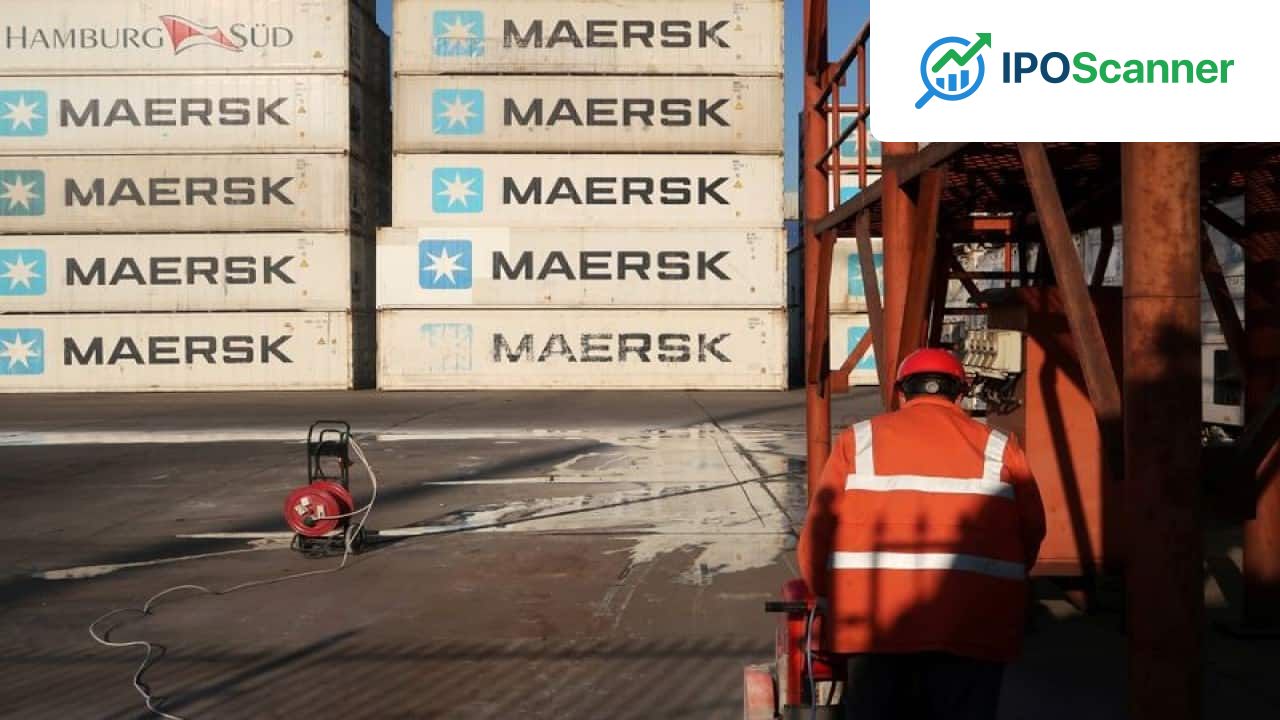
Maersk Launches Dedicated Weekly Shipping Service Between China and India
Maersk has launched a new dedicated weekly shipping service between China and India, adding a faster lane for goods moving between the world's two most populous countries. The Chinese Embassy in India marked the announcement, highlighting the significance of the route in the trade between the two nations.
The shipping numbers behind the new route are substantial, with Maersk's FI2 service operating with six vessels, each with a nominal capacity of 4,500 Twenty-Foot Equivalent Units (TEU). The service will connect Far East Asia to the Indian Subcontinent, with the first westbound sailing departing Shanghai on June 4, 2026. The port rotation will include Shanghai, Ningbo, Nansha, Tanjung Pelepas, Nhava Sheva, Pipavav, and Port Qasim.
A key feature of the FI2 service is its call at Pipavav on India's northwestern Gujarat coastline. Pipavav serves as a gateway to the Dedicated Freight Corridor (DFC) rail network, enabling cargo to be transported inland to the National Capital Region, including Delhi, Gurugram, and Noida, and surrounding industrial belts. This reduces transit times and ensures reliable delivery.
Read also: Treasury Yields Experience Largest Increase in Two Weeks Following Release of Labor Market Data
The FI2 service complements Maersk's existing FI3 service, offering improved frequency and greater routing flexibility on the China-India route. This new service is a direct response to growing customer demand for additional capacity on the trade route.
Trade Between China and India
India's imports from China reached $131.63 billion in FY26, a 16 per cent increase year-on-year. India's exports to China grew 36.66 per cent to $19.47 billion, with the trade deficit widening to an all-time high of $112.6 billion in FY26.
The composition of India's imports from China is concentrated, with about 66 per cent of its imports valued at $82.6 billion clustered in four sectors: electronics, machinery, computers, and organic chemicals. China accounts for a significant share of India's imports in these sectors, with 43 per cent of electronics imports, 40 per cent of machinery and computer imports, and 44 per cent of organic chemicals imports.
Read also: US-Iran Tensions Spark Uptick in Oil Prices Amid Global Market Decline
| Sector | Percentage of Imports from China |
|---|---|
| Electronics | 43% |
| Machinery and Computers | 40% |
| Organic Chemicals | 44% |
India's dependence on China for critical inputs is significant, with more than 70 per cent of several active pharmaceutical ingredients and drug intermediates coming from China. The government has acknowledged that much of India's imports from China are raw materials, intermediate goods, and capital goods used for making finished products in fast-expanding sectors like electronics, pharma, telecom, and renewable energy.
Deficit in Five Years
India's exports to China remain stuck below FY2021 levels at $19.5 billion, while imports have more than doubled to $131.6 billion, pushing the deficit up 155 per cent to $112.1 billion over five years. The FI2 service aims to add logistics efficiency to a trade relationship where the volume of goods flowing in one direction, from China into India, is approximately seven times the volume flowing in the other.
More in Economy

Treasury Yields Experience Largest Increase in Two Weeks Following Release of Labor Market Data

US-Iran Tensions Spark Uptick in Oil Prices Amid Global Market Decline

MoSPI Releases Uniform Norms for DDP Estimates with 2022-23 Base Year

