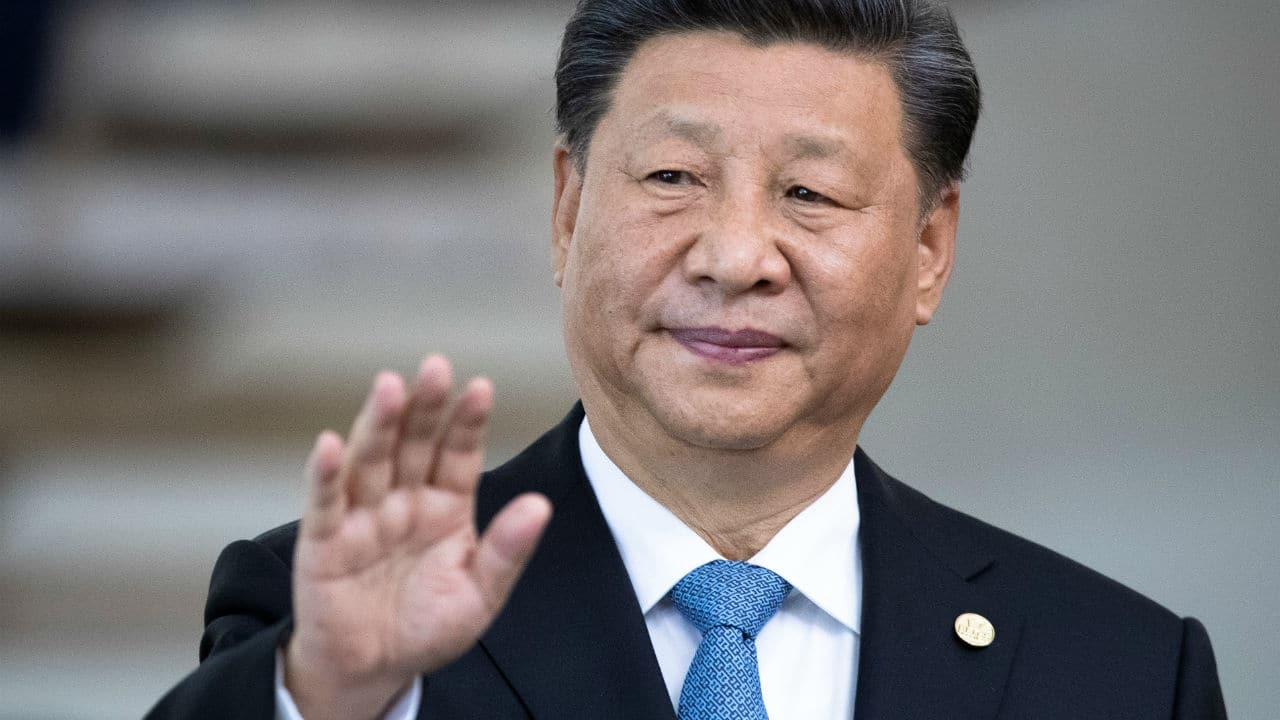
China Unfazed by Economic Slowdown, Presses Ahead with Military Modernisation
China's 15th Five-Year Plan: Defence and National Security Implications
Key Figures:
- 1.91 trillion yuan: China's defence budget for the next five years, a 7% increase from the previous year.
- $277 billion: China's announced military expenditure, the world's second largest.
- 4.5 to 5%: China's officially stated GDP growth target.
- 2027: The year by which China aims to build a strong People's Liberation Army (PLA) in the 'New Era'.
- 2035: The year by which China aims to achieve basic modernisation of the PLA.
- 2050: The year by which China aims to build a "world-class military".
China's Defence and National Security Strategy
Read also: Treasury Yields Experience Largest Increase in Two Weeks Following Release of Labor Market Data
The draft 15th Five-Year Plan (FYP) sets out China's defence and national security strategy for the next five years. The plan reaffirms the PLA's "three-step" modernisation strategy, comprising building a strong PLA by 2027, basic modernisation by 2035, and a "world-class military" by 2050.
Key Components:
- Strategic Deterrence Forces: The FYP calls for strengthening strategic deterrence forces, including nuclear modernisation, missile capabilities, and space and counter-space assets.
- Unmanned and Intelligent Combat Systems: The FYP aims to accelerate the development of unmanned and intelligent combat systems.
- New-Domain and New-Quality Combat Forces: The FYP pushes for the development of new-domain and new-quality combat forces, reflecting a military establishment that is taking seriously the character of future warfare.
- Human Dimension: The FYP emphasises the importance of building high-quality, professional, new-type military talent, including improvements in military academy education, recruitment of engineers and scientists, and cultivation of specialised technical cadres.
Civil-Military Fusion
Read also: US-Iran Tensions Spark Uptick in Oil Prices Amid Global Market Decline
The FYP revisits and reiterates the construction of an "Integrated National Strategic System and Capabilities", which envisions the unification of resources across jurisdictions to produce an outcome greater than the sum of its parts. This includes deeper civil-military fusion, aligning provincial planning with military requirements, and promoting interoperability between civilian and military standards.
Political Compass
Xi Jinping's 7 March remarks to the PLA delegation provided the political compass for the FYP. His chosen theme – "political army-building" as the foundational "magic weapon" – is revealing of a disloyalty and corruption crisis rocking Chinese military leadership. Xi's message unambiguously stated that loyalty to the Party is not negotiable, and the campaign against graft will continue with full intensity into the 15th FYP period.
Investor Takeaway
China's military modernization plans may have a moderate impact on the country's economy and global defense dynamics.
More in Economy

Treasury Yields Experience Largest Increase in Two Weeks Following Release of Labor Market Data

US-Iran Tensions Spark Uptick in Oil Prices Amid Global Market Decline

MoSPI Releases Uniform Norms for DDP Estimates with 2022-23 Base Year

