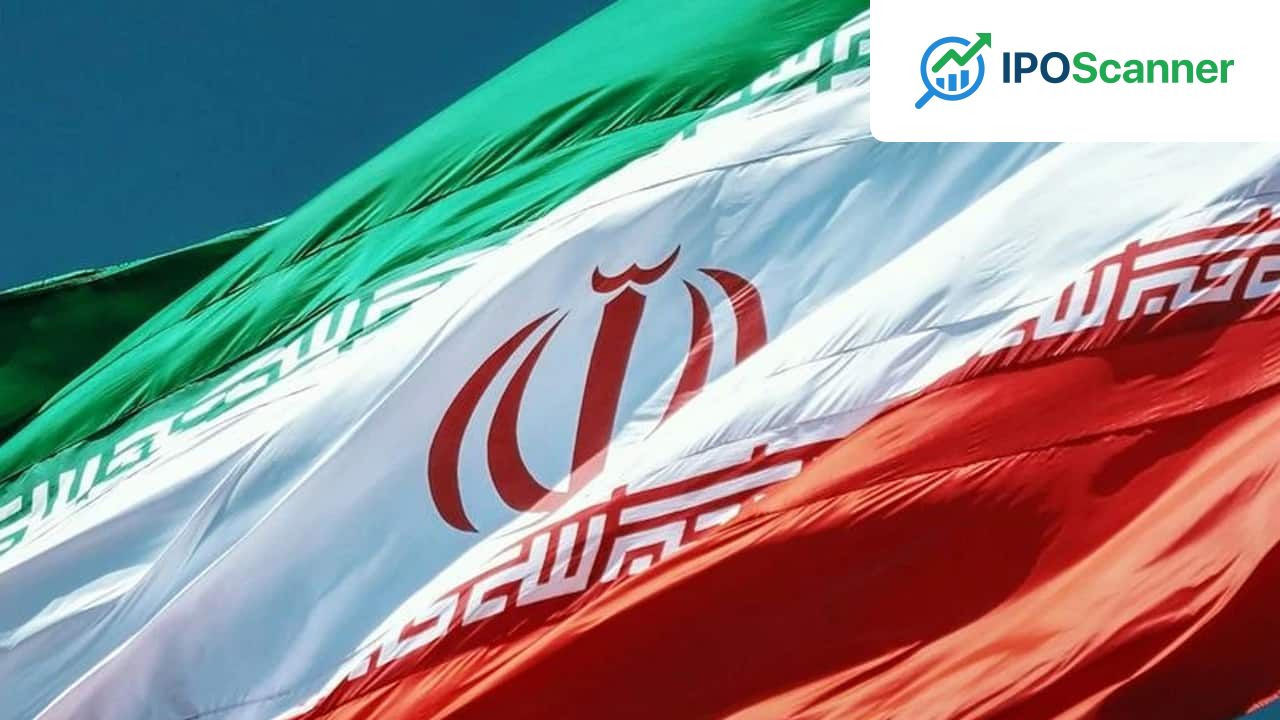
China Suspected of Utilizing Third Countries for Undisclosed Arms Transfers to Iran
US Officials Raise Concerns Over China's Arms Transfers to Iran
Chinese companies have discussed sending weapons to Iran through third countries in an apparent attempt to conceal their origins, according to a report published by The New York Times. The report, citing U.S. intelligence assessments, said American officials remain divided on whether such transfers have already occurred.
The revelation is expected to increase pressure on US President Donald Trump to urge Chinese President Xi Jinping to halt Chinese support for the Islamic Republic. This move comes as Iran appears to be rebuilding its military capabilities during the fragile ceasefire with the US and Israel.
According to the report, US media outlets had earlier reported in April that China supplied shoulder-fired surface-to-air missiles, known as Manpads, to Tehran. These weapons are capable of targeting aircraft and drones. So far, no Chinese weapons are believed to have been used against American troops.
Read also: Treasury Yields Experience Largest Increase in Two Weeks Following Release of Labor Market Data
US officials stated that they do not believe the Chinese government formally approved arms sales to Iran, but added that such shipments were unlikely to occur without the knowledge of senior Chinese officials. The report said the Trump administration has sent mixed signals on whether it plans to press Xi directly to stop support for Iran.
Despite the mixed signals, Iran has tightened its grip over the Strait of Hormuz, which handled roughly one-fifth of global oil supply before the war. Tehran has also reportedly reached agreements with Iraq and Pakistan to transport oil and liquefied natural gas from the region.
| Comparison of Global Oil Supply | Before War | Global Oil Supply |
|---|---|---|
| Strait of Hormuz | 20% | |
| Total Global Oil Supply | 100% |
Iranian officials have indicated that control over the strategic waterway is viewed as a long-term objective. An Iranian army spokesperson said supervision of the strait could generate revenue worth twice Iran's oil income while increasing its diplomatic leverage.
Read also: US-Iran Tensions Spark Uptick in Oil Prices Amid Global Market Decline
The fragile ceasefire, which came into effect over a month ago, remains in place, but Washington and Tehran remain far apart on conditions to end the conflict. The US has demanded that Iran dismantle its nuclear programme and relinquish control over the Strait of Hormuz, while Tehran has sought compensation for war-related damage, an end to the US blockade, and a halt to fighting across multiple fronts, including in Lebanon, where Israel is battling Iran-backed Hezbollah.
US President Trump dismissed Iran's demands as "garbage."
Investor Takeaway
Investors should be cautious of potential geopolitical tensions affecting global markets.
More in Economy

Treasury Yields Experience Largest Increase in Two Weeks Following Release of Labor Market Data

US-Iran Tensions Spark Uptick in Oil Prices Amid Global Market Decline

MoSPI Releases Uniform Norms for DDP Estimates with 2022-23 Base Year

