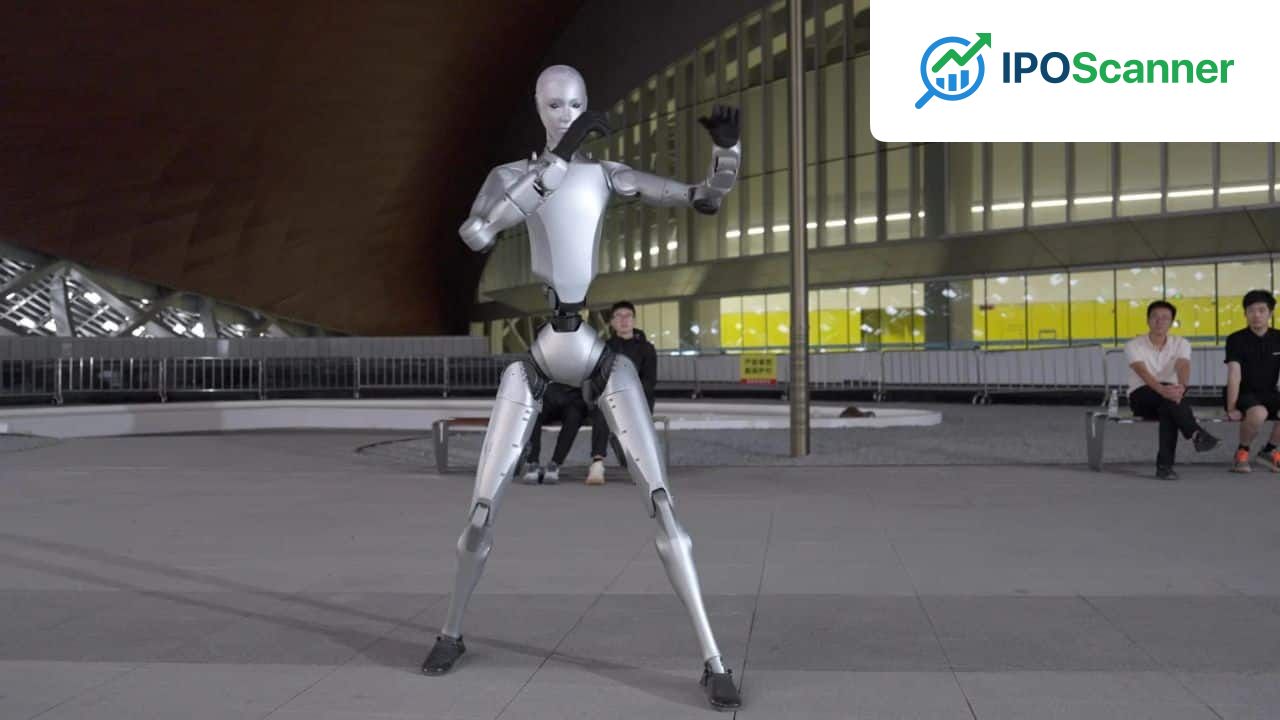
China Explores Deployment of Robots for Riot Control, Suggesting Changes to Internal Security Approach
China's People's Armed Police Explores Use of Autonomous Systems for Riot Management
China's People's Armed Police (PAP) is examining the use of robots, drones, and unmanned vehicles to manage riots, according to recent research that outlines how autonomous systems could be deployed during public unrest. The study describes a model in which robotic units and aerial drones work together to monitor crowds, track movement, and support coordinated responses.
A team of engineering experts from the PAP suggests that these systems could identify individuals seen as instigators, relay real-time data to command centers, and help establish roadblocks during large gatherings. This proposal reflects a broader push in China to integrate advanced technology into policing. In recent years, several Chinese cities have rolled out robotic patrol units and AI-based surveillance systems to handle tasks like traffic management and public safety. These machines use cameras and sensors to watch what is happening on the ground, helping authorities act more quickly.
| Technology | Function |
|---|---|
| Robotic units | Monitor crowds, track movement, and support coordinated responses |
| Aerial drones | Identify individuals seen as instigators and relay real-time data to command centers |
| Unmanned vehicles | Help establish roadblocks during large gatherings |
Read also: India Sees Rapid Growth in Asia Pacific Air Traffic, IATA Reports
The research looks at how robots and drones could be used to handle large crowds, while cutting down direct contact between police and people in tense situations. Analysts have questioned who would be held responsible if decisions are made by machines without direct human control. Privacy is another issue, particularly given how extensively public spaces are monitored in China. Other countries are also testing similar technology—drones are already used to watch over crowds at big events and emergencies.
What makes the Chinese study stand out is how these machines are meant to work together, all controlled from one central system. It's still early days for this research, and there's no set date for when these technologies might be used. The findings suggest that policing could rely more on technology as automation and AI advance, a shift already seen in several countries where drones and AI tools are being used for surveillance and crowd monitoring.
Governments are now considering whether faster, technology-driven approaches are worth the trade-offs, given ongoing worries about privacy and oversight. The research is still at an early stage, and there is no confirmed timeline for deployment. However, it points to how policing methods could change as automation and AI continue to develop.
More in Economy
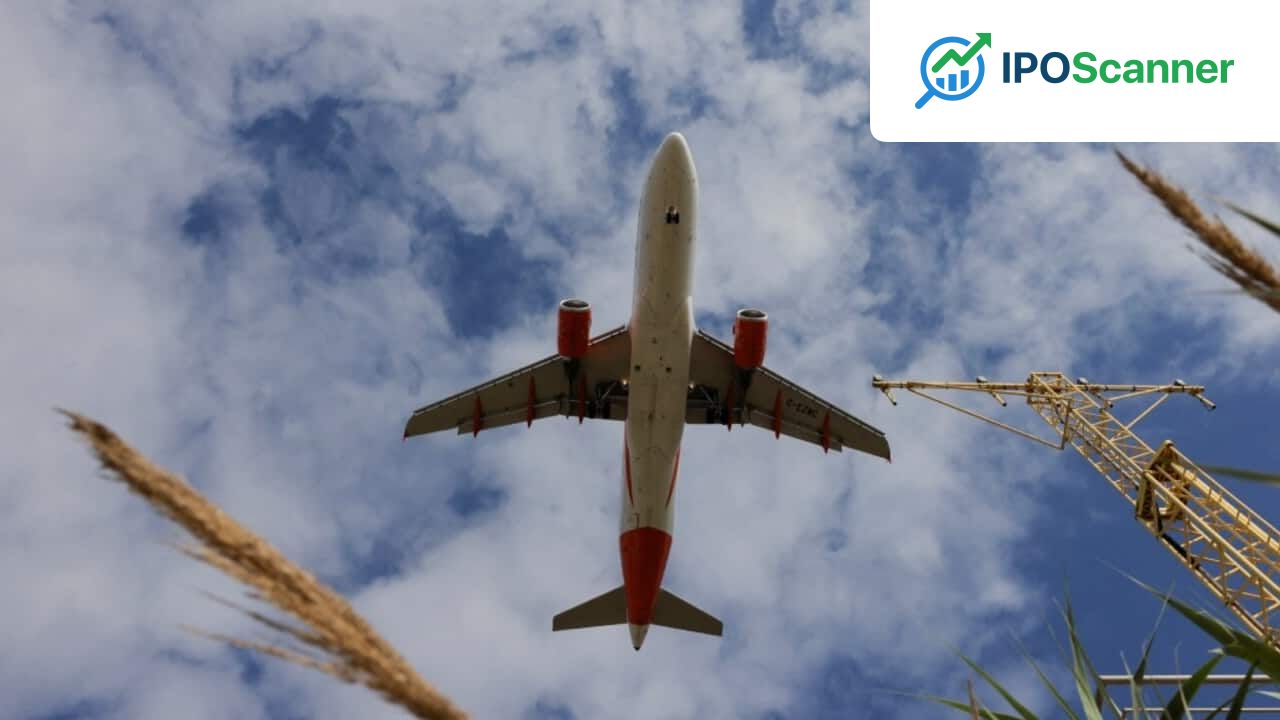
India Sees Rapid Growth in Asia Pacific Air Traffic, IATA Reports

OpenAI Prepares Sweeping Revamp of ChatGPT Ahead of IPO, Shifts Focus to AI Agent Technology

LPG Prices Continue to Rise Globally, Yet India Remains a Leader in Affordability

