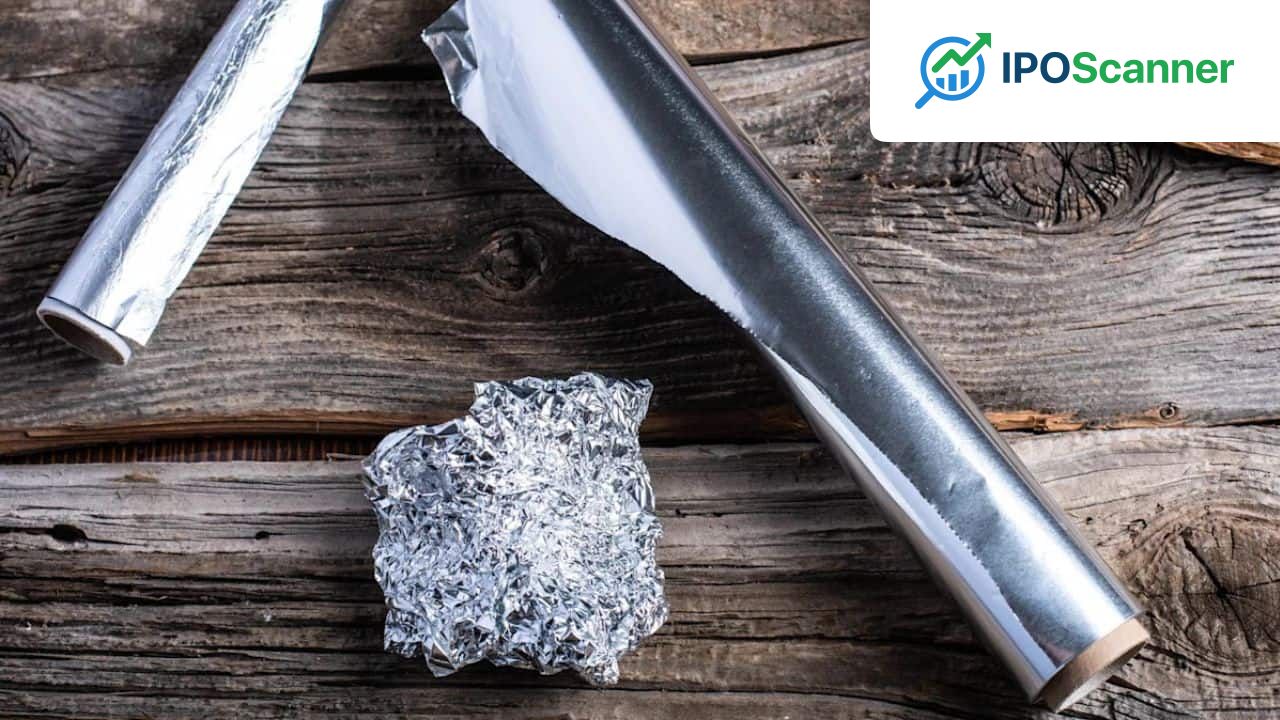
Cheap Metal in Kitchen Foil May Replace Rare and Valuable Metals in Certain Industrial Applications
Breakthrough in Aluminium Research Could Reduce Dependence on Rare Metals
Researchers at King's College London and Trinity College Dublin have made a significant discovery in the field of aluminium chemistry. A new compound, called cyclotrialumane, has been developed that has the potential to reduce the world's dependence on expensive rare metals used in manufacturing, clean energy, and chemical production.
The newly created compound has shown the ability to break strong chemical bonds in ways previously possible mainly with precious metals such as platinum and palladium. This discovery, recently reported in the journal Nature Communications, is being seen as a major step towards cheaper and more sustainable industrial catalysts. Catalysts are substances that speed up chemical reactions and are widely used in fuel production, medicines, plastics, and pollution control.
Cyclotrialumane is made of three aluminium atoms arranged in a triangular structure. Scientists say this unusual shape gives the compound high reactivity while also remaining stable in different liquid solutions, a rare combination in chemistry. Researchers found that the material can activate and split strong chemical bonds, including bonds that are difficult to break using conventional methods. Lead researchers involved in the project say the work could open the door to replacing platinum group metals in several industrial processes.
Read also: Treasury Yields Experience Largest Increase in Two Weeks Following Release of Labor Market Data
These metals are effective but costly, difficult to mine, and concentrated in only a few countries, making supply chains vulnerable. Aluminium, by contrast, is one of the most abundant elements on Earth and far cheaper to produce. According to the research team, aluminium is estimated to be nearly 20,000 times less expensive than platinum and palladium.
The scientists believe this could significantly reduce production costs in industries that rely heavily on catalysts. Experts say the breakthrough also carries environmental benefits. Mining and processing precious metals such as platinum and palladium consume large amounts of energy and can cause serious environmental damage. Researchers say aluminium-based catalysts could offer a cleaner and cheaper alternative because aluminium is widely available, easier to source, and far less expensive than rare metals.
| Metal | Production Cost Compared to Aluminium |
|---|---|
| Platinum | 20,000 times more expensive |
| Palladium | 20,000 times more expensive |
The researchers cautioned that commercial use is still some years away. More testing is needed to determine how the compound performs in large-scale industrial settings and whether it can remain effective over long periods. However, chemists have described the findings as one of the most promising advances in main-group chemistry in recent years. If future studies confirm its potential, cyclotrialumane could reshape parts of the global chemical industry by turning a common metal into a practical alternative to some of the world's most valuable rare metals.
Read also: US-Iran Tensions Spark Uptick in Oil Prices Amid Global Market Decline
Investor Takeaway
Investors may benefit from the potential cost savings and increased sustainability of industrial applications with the discovery of cyclotrialumane.
More in Economy

Treasury Yields Experience Largest Increase in Two Weeks Following Release of Labor Market Data

US-Iran Tensions Spark Uptick in Oil Prices Amid Global Market Decline

MoSPI Releases Uniform Norms for DDP Estimates with 2022-23 Base Year

