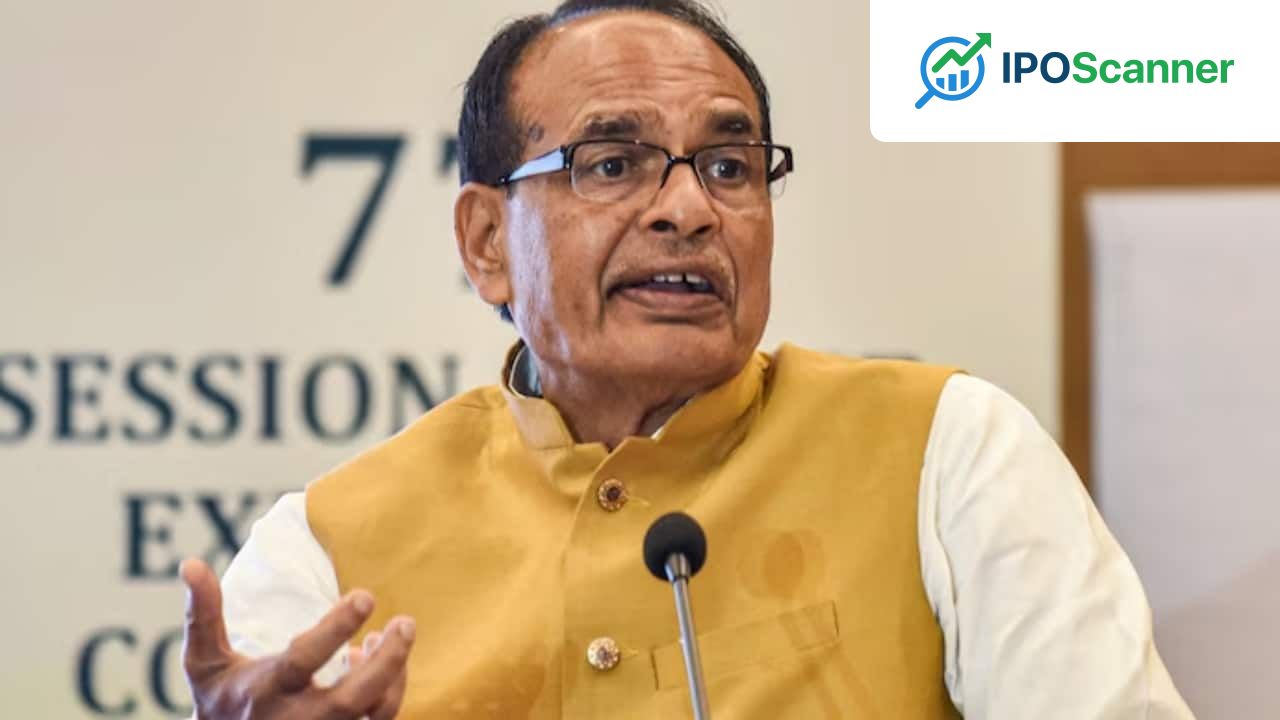
Centre Directs States to Activate District-Level Emergency Preparedness Measures Amid El Nino Concerns
Agriculture Ministry Activates Contingency Plans Amid Below-Normal Monsoon Forecast
The agriculture ministry has directed central and state agencies to activate district-level contingency plans immediately after the India Meteorological Department (IMD) forecast a below-normal southwest monsoon and the possible development of El Nino during the rainy season.
Agriculture Minister Shivraj Singh Chouhan chaired a high-level meeting at Krishi Bhawan, where he emphasized the need for timely farmer advisories, availability of certified drought-tolerant and short-duration seeds, moisture conservation, and scientific use of reservoir water. The minister stressed that contingency plans must be implemented based on local conditions and should not remain "mere paperwork."
The agriculture minister asked states to prepare clear strategies for re-sowing, life-saving irrigation, and alternative crops if rainfall gaps of two to four weeks occur. To support farmers, the government will strengthen digital and call-centre advisories to reach them quickly, monitor pest and disease risks linked to weather changes, and continuously review state preparedness with central support deployed where response is weak.
Read also: Treasury Yields Experience Largest Increase in Two Weeks Following Release of Labor Market Data
Sowing of kharif crops has begun in some areas that received early rains. The IMD has forecast that monsoon will be around 90 per cent of the long-term average and has indicated El Niño conditions could develop later in the season. The IMD expects the southwest monsoon to arrive on June 4.
| Season | Current Requirement | National Seed Stock |
|---|---|---|
| Kharif | - | Exceeds current requirements |
| Rabi | - | Exceeds current requirements |
The agriculture minister stressed the importance of certified, high-quality seeds and said short-duration varieties should be made available for resowing if needed. The minister urged rural development agencies to act immediately to conserve soil moisture through farm ponds and local water-retention measures. He said where reservoir water is available, its use should be "scientific, balanced, and priority-based" to protect as many crops and farmers as possible.
The minister instructed authorities to prepare district-specific advice on delayed sowing, alternative cropping, and drought-tolerant options, and to set up advance monitoring and treatment guidance for pests and diseases likely to increase with weather fluctuations. He also urged farmers not to panic and worry, although weather forecasts are being taken very seriously.
Read also: US-Iran Tensions Spark Uptick in Oil Prices Amid Global Market Decline
The minister expressed confidence that through coordinated efforts by the central and state governments, improved water management, advanced technology, expansion of irrigation facilities, and climate-resilient agricultural practices, the impact of potential challenges can be largely controlled. He said that through better water management, technological development, advanced agricultural practices, timely seed availability, alternative strategies, and strong coordination, the impact of potential challenges will be minimized, and the interests of farmers will be fully protected.
Senior officials from the IMD and ICAR-Central Research Institute for Dryland Agriculture attended the meeting, along with Agriculture Secretary Atish Chandra and ICAR Director General M L Jat. The government said it will keep states under continuous review and step in with central support where preparedness is weak.
More in Economy

Treasury Yields Experience Largest Increase in Two Weeks Following Release of Labor Market Data

US-Iran Tensions Spark Uptick in Oil Prices Amid Global Market Decline

MoSPI Releases Uniform Norms for DDP Estimates with 2022-23 Base Year

