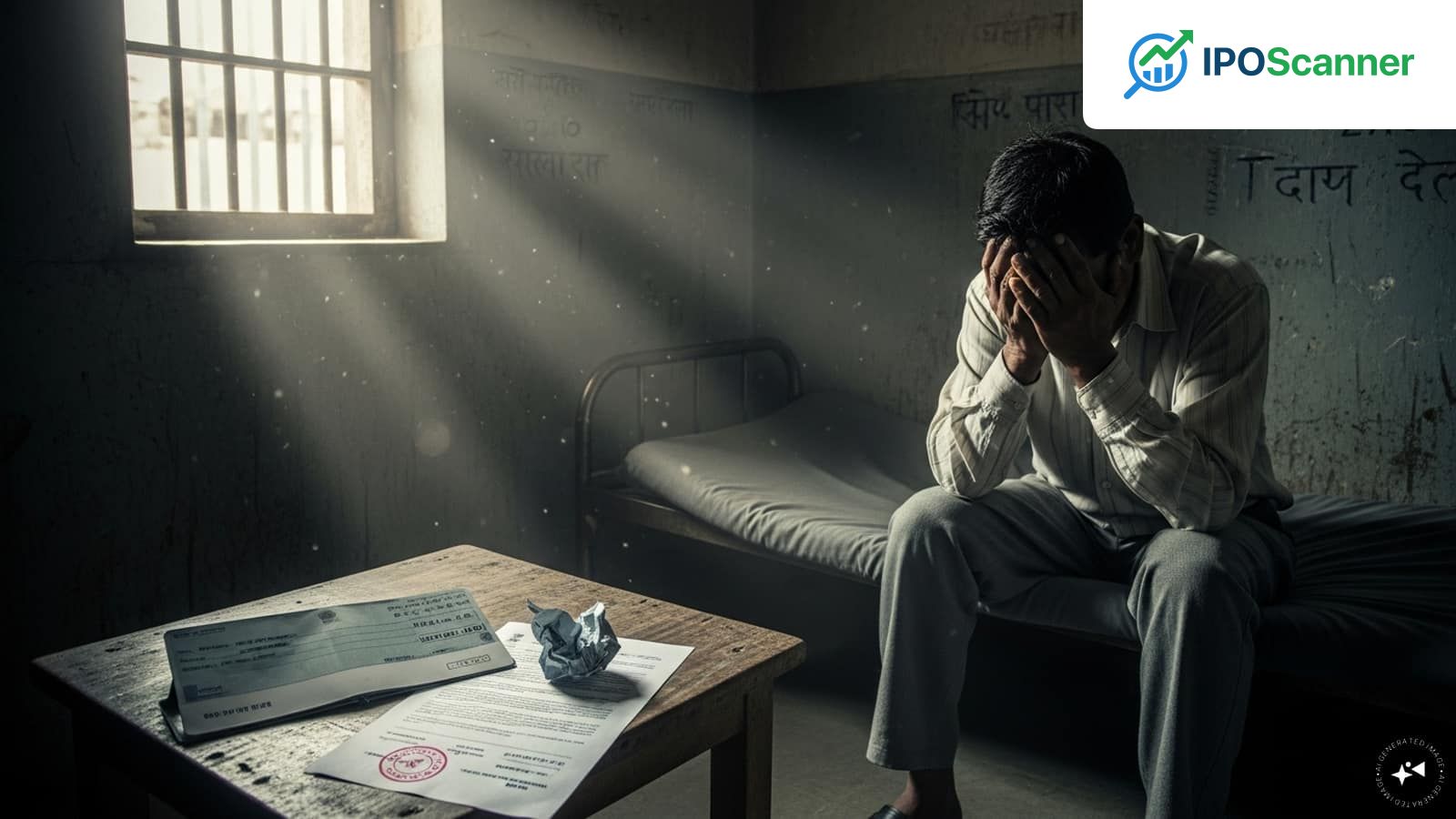
Bouncing Cheques in India: Understanding the Legal Consequences
Cheque Bouncing: Understanding the Consequences and Legal Implications
In India, cheque dishonour cases are governed by Section 138 of the Negotiable Instruments Act. This section criminalizes cheque bouncing, yet many individuals are unaware of its implications. The act aims to instill public faith in banking practices and prevent fraudulent activities related to cheque usage.
Cases Covered Under Section 138
Cheque bouncing is considered a criminal offense under Section 138 if the dishonoured cheque was issued for repayment of a debt. The cheque must be presented while it is valid and dishonoured due to insufficient funds or any other reason. However, not all cheque bounce cases are criminalized, as only specific conditions need to be fulfilled.
Read also: Treasury Yields Experience Largest Increase in Two Weeks Following Release of Labor Market Data
Process After Cheque Dishonouring
When a cheque is bounced, the payee must issue a written notice of demand to the drawer within 30 days of being informed about the cheque dishonour. The drawer then has 15 days to make the payment. Failure to do so within the specified period allows the payee to file a complaint with the court.
Penalties for Non-Compliance with Section 138
The person issuing the dishonored cheque can be arrested and prosecuted. This individual may face imprisonment for a period not exceeding two years or a fine twice the value of the cheque, or both.
Read also: US-Iran Tensions Spark Uptick in Oil Prices Amid Global Market Decline
| Penalty | Value |
|---|---|
| Imprisonment | Up to 2 years |
| Fine | Twice the value of the cheque |
Conditions That Make Section 138 Inapplicable
Section 138 is applicable only in situations where the cheque represents a debt or legal obligation of the person. If the cheque is presented as a gift or no legal relationship exists between the parties, Section 138 may not be applicable. Technical errors or mistakes cannot be regarded as criminal violations under the Act.
Evaluation of Each Case
Each case is evaluated based on facts and intentions. Disputes may arise when a cheque is issued without guaranteeing enough balance in the account. It is essential to have sufficient funds and verify all necessary information prior to issuing a cheque.
Importance of Knowing About Legal Responsibilities
Cases of bounced cheques are treated seriously due to the nature of the crime involved. Having knowledge of the laws involved can help prevent such incidents from happening.
More in Economy

Treasury Yields Experience Largest Increase in Two Weeks Following Release of Labor Market Data

US-Iran Tensions Spark Uptick in Oil Prices Amid Global Market Decline

MoSPI Releases Uniform Norms for DDP Estimates with 2022-23 Base Year

